Kitchen Sponges and Antibiotic-Resistant Bacteria
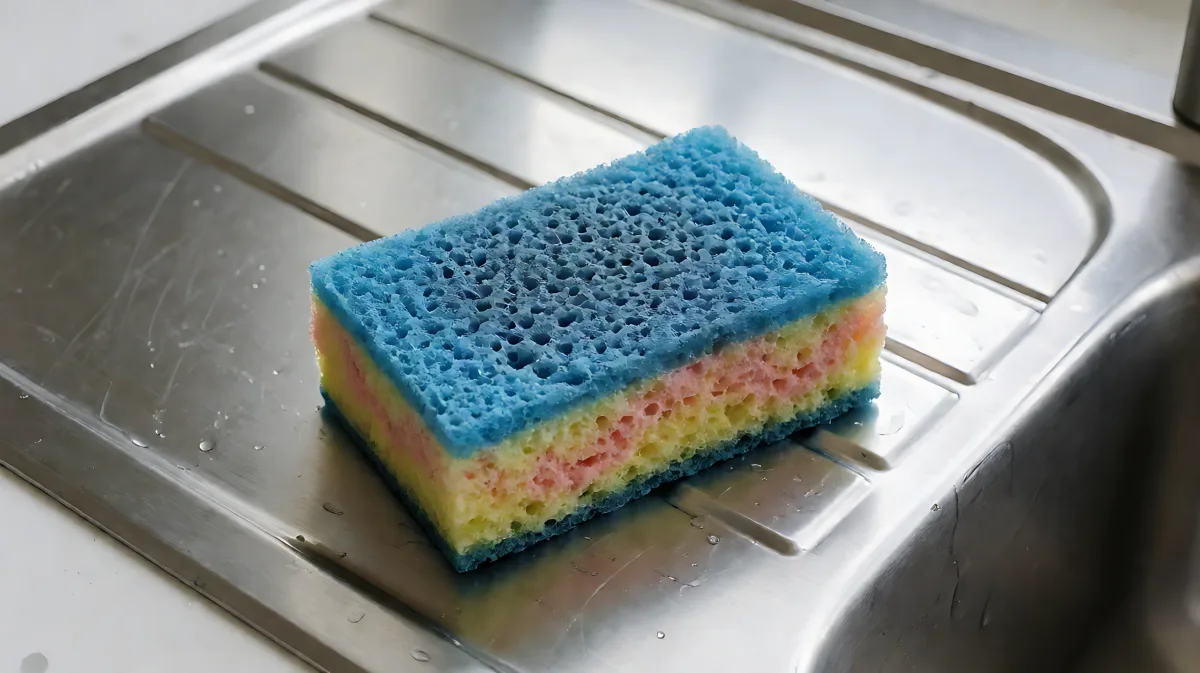
Kitchen sponges are unintentional hubs for antibiotic-resistant bacteria. Learn how to identify risks and adopt safer cleaning habits to protect your family.
Kitchen sponges can harbor antibiotic-resistant bacteria that pose serious health risks to households. According to the CDC, approximately one in five antibiotic-resistant infections in the United States is caused by bacteria transmitted through food and animals. Proper hygiene practices in the kitchen are essential to prevent the spread of these superbugs and protect your family's health.
Why Kitchen Sponges Are Breeding Grounds for Superbugs
The moist, fibrous texture of sponges creates an ideal environment for bacterial growth, including strains that are resistant to common antibiotics. When raw meat and poultry are handled, bacteria such as Salmonella, Campylobacter, E. coli, and Listeria can transfer to cutting boards and sponges. Dr. Lance Price, director of the Antibiotic Resistance Action Center at the Milken Institute School of Public Health at The George Washington University, highlights that these pathogens can become resistant due to the widespread use of antibiotics in food animal production. This resistance makes infections harder to treat and more dangerous.
How Antibiotic-Resistant Bacteria Spread in Your Home
Resistance does not happen in a vacuum. About 70 percent of medically important antibiotics sold in the United States are used in food-producing animals rather than for human medicine. This overuse allows resistant bacteria to thrive in livestock. These organisms then spread to people through direct contact, contaminated waterways, and, crucially, through the food chain. When you cook meat, any resistant bacteria on the food or your utensils can colonize your kitchen tools. If a sponge used to clean a cutting board after raw chicken is not sanitized properly, it can contaminate ready-to-eat foods like salad or fruit, spreading the resistant pathogens to everyone in the home.
What Are the Risks of Ignoring Kitchen Hygiene?
The consequences of antibiotic-resistant infections are severe. The CDC reports that at least two million people in the United States contract these infections annually, leading to at least 23,000 deaths. Unlike standard bacterial infections, these superbugs do not respond to standard antibiotic treatments, leading to longer hospital stays, higher medical costs, and increased mortality. While the term food poisoning is often used loosely, it refers to specific foodborne illnesses caused by parasites, viruses, or bacteria. Ignoring the source of contamination in your kitchen increases the likelihood of introducing these resistant strains into your body.
How Can You Protect Your Household From These Pathogens?
Prevention is possible through disciplined food handling and cleaning routines. You can significantly reduce your exposure to resistant bacteria by following these evidence-based steps:
- Choose Safer Products: Look for labels on meat and poultry that indicate limited antibiotic use. Certifications such as Animal Welfare Approved, Certified Humane, or labels stating No antibiotics ever or Raised without antibiotics can help identify products with lower risks of harboring resistant bacteria.
- Separate and Store Properly: Always store raw meat on the lowest rack in the refrigerator to prevent juices from dripping onto other foods. Wrap meat in plastic bags and keep it separate from fresh produce in the grocery cart and fridge.
- Hand Hygiene Is Critical: Wash your hands for at least 20 seconds with non-antibacterial soap after handling raw meat. Do not wash the meat itself, as this spreads bacteria to sinks and countertops.
- Sanitize Tools: Cook meat to the proper internal temperature to kill bacteria. Clean all utensils, cutting boards, and sponges after every use. For sponges specifically, consider microwaving damp sponges for one minute or replacing them frequently to reduce bacterial load.
Additionally, ensure that cooked meat is stored within two hours of preparation to prevent bacterial growth. Thawing meat should always be done in the refrigerator, not on the countertop, to avoid temperature abuse that encourages bacterial proliferation.
Do Kitchen Cleaning Habits Really Matter For Resistance?
Yes, they are a critical barrier against the domestic spread of superbugs. The FDA and other public health bodies emphasize that food safety is a shared responsibility that extends from the farm to the table. By maintaining strict hygiene in your kitchen, you break the chain of transmission that allows resistant bacteria to move from agricultural settings to your household. Regularly inspecting and replacing cleaning tools, such as sponges and cloths, prevents them from becoming reservoirs for dangerous pathogens.
FAQ
How often should you replace a kitchen sponge?
It is recommended to replace kitchen sponges every one to two weeks. If the sponge smells bad, feels slimy, or looks discolored, it should be discarded immediately, as these are signs of high bacterial and fungal growth.
Can you disinfect a sponge with vinegar or bleach?
While dilute bleach solutions or microwave treatment can reduce bacteria, they may not eliminate all antibiotic-resistant strains. The most effective strategy is to use a separate sponge for raw meat and one for general dishes, and to replace sponges regularly rather than relying solely on chemical disinfection.
What temperature should meat be cooked to kill bacteria?
According to food safety standards, poultry should be cooked to an internal temperature of 165 degrees Fahrenheit (74 degrees Celsius), ground meats to 160 degrees Fahrenheit (71 degrees Celsius), and pork and beef steaks to at least 145 degrees Fahrenheit (63 degrees Celsius) with a rest time of three minutes.
Are all sponges equally bad for bacterial growth?
Synthetic sponges generally harbor fewer bacteria than natural cellulose sponges, but both can support growth if kept damp for extended periods. The key is usage frequency and disposal; the longer a sponge is kept in a moist environment, the higher the risk of it becoming a source of contamination.