Hydrogenated Fats vs Trans Fats: Label Guide for Heart Health
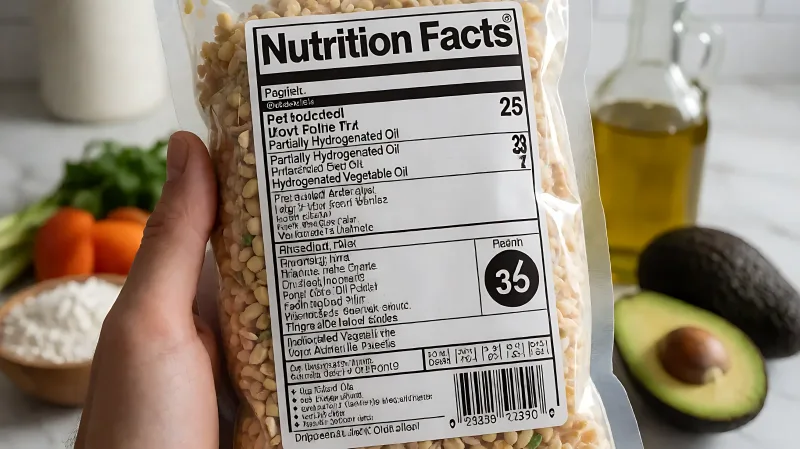
Discover how to distinguish between fully hydrogenated and partially hydrogenated oils. Learn practical label-reading tips to minimize trans fat intake and support cardiovascular health.
To protect your heart, check food labels for the terms "partially hydrogenated" and "trans fat." The U.S. Food and Drug Administration (FDA) banned artificially produced partially hydrogenated oils, but fully hydrogenated fats and small amounts of natural trans fats remain in processed foods. Prioritizing whole foods and liquid plant oils helps lower bad cholesterol and reduce cardiovascular risk.
For more information, see NIH Office of Dietary Supplements from the National Institutes of Health.
Understanding the nuances between different types of fats is essential for long-term health. While many people conflate all hydrogenated oils with harmful trans fats, there are critical distinctions in chemical structure and health impact. This guide breaks down exactly what to look for on packaging and how to make safer swaps in your daily diet.
What Is the Difference Between Hydrogenated and Trans Fats?
Hydrogenation is a chemical process that adds hydrogen to liquid vegetable oils, turning them into solids or semi-solids. This method is used to increase shelf life, improve texture, and lower production costs for food manufacturers. However, not all hydrogenated oils are created equal, and the distinction matters for your health.
There are two main categories to understand:
- Partially Hydrogenated Oils: These oils are only partially hydrogenated. This process creates trans fats, which are artificially made unsaturated fats with a specific molecular structure. These are the fats most strongly linked to heart disease.
- Fully Hydrogenated Oils: These oils undergo complete hydrogenation, resulting in a saturated fat. While they do not contain significant amounts of trans fat, they are high in saturated fat, which should still be limited according to the Dietary Guidelines for Americans.
It is important to note that small amounts of trans fats occur naturally in ruminant animal products like beef, lamb, and dairy. The FDA has stated that these natural occurrences are not considered the same health risk as the artificial trans fats produced in industrial processing.
Why Do Trans Fats Hurt Your Heart?
Medical experts from the National Institutes of Health (NIH) and the American Heart Association consistently identify artificial trans fats as the most harmful type of dietary fat. Unlike other fats, trans fats negatively impact your lipid profile in a dual manner.
When you consume trans fats, your body processes them in ways that increase cardiovascular risk:
- Raising LDL Cholesterol: Trans fats increase the levels of low-density lipoprotein, or "bad" cholesterol, which can lead to plaque buildup in arteries.
- Lowering HDL Cholesterol: They decrease high-density lipoprotein, or "good" cholesterol, which normally helps clear excess cholesterol from the bloodstream.
This combination significantly increases the risk of atherosclerosis, heart attack, and stroke. Additionally, trans fats can contribute to inflammation and insulin resistance, which are key factors in the development of type 2 diabetes and obesity.
How to Read Food Labels for Hidden Fats
Label reading is the most effective tool for minimizing trans fat intake. Food manufacturers in the United States are no longer permitted to use partially hydrogenated oils (PHOs) in commercial foods. However, older stock may still be in grocery store aisles, and fully hydrogenated oils remain on the market.
Follow these steps to inspect any packaged product:
- Check the Trans Fat Line: On the Nutrition Facts panel, look for "Trans Fat" grams. Keep in mind that the FDA allows a product to be labeled "0 g trans fat" if it contains less than 0.5 grams of trans fat per serving. If a product has multiple servings, the total amount may still be significant.
- Scan the Ingredients List: Look for the words "partially hydrogenated" followed by the oil source, such as soybean, vegetable, or cottonseed. Avoid any product containing this phrase.
- Identify Fully Hydrogenated Oils: Look for "hydrogenated" without the word "partially." These are fully hydrogenated oils. They are not trans fats, but they are saturated fats. The FDA permits these, but health organizations recommend limiting all saturated fats to less than 10% of daily calories.
If you see both "hydrogenated" and "partially hydrogenated" listed, you are dealing with a mix of saturated and trans fats. This is a major red flag for heart health.
Which Foods Commonly Contain Hydrogenated Oils?
Even with the ban on PHOs, many processed foods rely on fully hydrogenated oils or other solid fats to maintain texture. These ingredients are common in items designed for long shelf life or ease of preparation.
Common culprits include:
- Spreads and Shortenings: Stick margarine and vegetable shortening often use hydrogenated oils to remain solid at room temperature.
- Baked Goods: Commercially produced cakes, cookies, and pies may use hydrogenated vegetable oils for shelf stability.
- Fast Foods: Some restaurants still use solid fats for frying to keep oils stable at high temperatures. Always check the restaurant's website for allergen and nutrition details.
- Frozen Foods: Frozen pizzas, dumplings, and ice creams frequently contain hydrogenated oils to prevent texture changes during freezing.
- Non-Dairy Creamers: Powdered or liquid creamers for coffee often contain hydrogenated oils to mimic the texture of dairy.
It is not automatic that every packaged food contains these fats. Many brands have reformulated their products to use expeller-pressed oils or other plant-based alternatives. Label reading is essential because the ingredient list is the only definitive proof.
What Are Healthier Alternatives to Hydrogenated Fats?
Replacing solid, processed fats with liquid, unsaturated oils is the single most effective change you can make for cardiovascular health. The American Heart Association recommends choosing liquid vegetable oils over solid fats at room temperature.
Consider these swaps:
- Cooking Oil: Use extra-virgin olive oil, safflower oil, or avocado oil for cooking. These oils are rich in monounsaturated and polyunsaturated fats.
- Baking: Replace butter or shortening with applesauce (for moisture) or liquid vegetable oils in recipes.
- Spreads: If you need a spread, look for brands made with 100% liquid oils that do not list hydrogenated ingredients.
- Dairy Substitutes: Choose plant-based milks and creamers that list simple ingredients like soy, almond, or oat, without hydrogenated derivatives.
These alternatives not only improve heart health but also provide essential vitamins and antioxidants that refined solid fats lack.
When Should I Consult a Doctor About Fat Intake?
For most people, following the Dietary Guidelines for Americans is sufficient to manage fat intake. However, if you have been diagnosed with heart disease, high cholesterol, or type 2 diabetes, a registered dietitian can create a personalized plan. They can help you calculate your specific caloric needs and monitor your lipid panels to ensure that lifestyle changes are having the desired effect on your blood markers.
Frequently Asked Questions
Is fully hydrogenated oil bad for you?
Fully hydrogenated oil is a saturated fat. While it does not contain trans fat, it is still high in saturated fat, which should be limited to less than 10% of daily calories to maintain heart health. It is generally considered safer than partially hydrogenated oil, but liquid unsaturated oils are the preferred choice for most people.
How can I avoid trans fats if they are banned?
While the FDA banned the use of partially hydrogenated oils, natural trans fats exist in small amounts in meat and dairy. These are not a major concern. The primary risk comes from imported products or older stock that may still contain PHOs. Always read the ingredient list for the phrase "partially hydrogenated" to be sure.
Do I need to avoid all solid fats?
Not necessarily, but moderation is key. Solid fats at room temperature are usually high in saturated or trans fats. Health authorities recommend focusing on liquid oils for cooking and baking. If you do use solid fats, check the label to ensure they are not partially hydrogenated.
Can I trust a label that says 0 grams of trans fat?
You can trust that the product contains less than 0.5 grams of trans fat per serving, but it may still contain some. If you are strictly avoiding all trans fats, you should look for the ingredient list. If "partially hydrogenated" is not listed, the product is likely free of artificial trans fats.