HRV Patterns and Fall Risk in Seniors: What Wearables Reveal
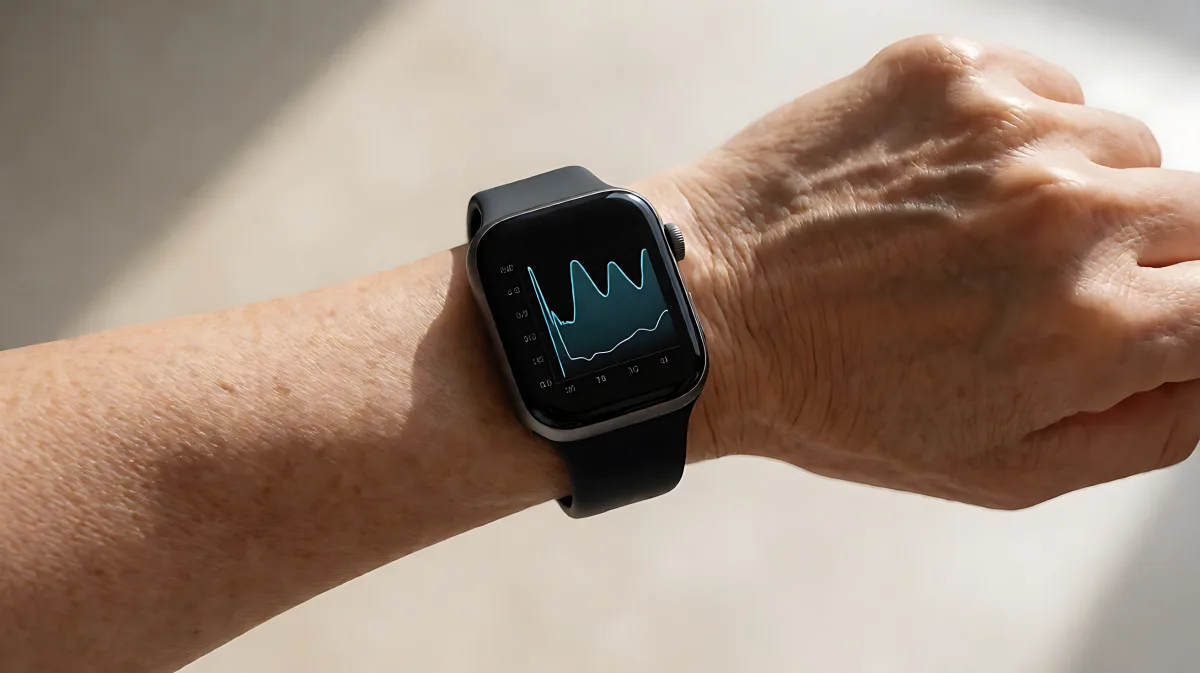
Recent studies link depressed heart rate variability to a five-fold increase in fall risk among hypertensive seniors, suggesting that simple wearable metrics could serve as early warning signs for balance issues.
Heart rate variability (HRV) patterns serve as a robust early indicator for fall risk in older adults. Research involving hypertensive patients found that individuals with depressed HRV had a significantly higher likelihood of falling, with an odds ratio of 5.12 compared to those with normal variability. This statistic highlights how the nervous system's flexibility in adjusting heart rate is directly linked to balance and stability. For readers using wearable devices, monitoring these trends can provide crucial insights into physical safety before a fall occurs.
How do specific HRV markers signal increased fall risk?
Understanding the mechanics of heart rate variability is key to interpreting wearable data. HRV measures the variation in time between heartbeats. A healthy autonomic nervous system constantly adjusts this timing based on breathing, activity, and stress levels. In older adults, particularly those with hypertension, the autonomic nervous system often becomes less flexible. A study from the SHARE Project analyzed 24-hour ECG recordings from 168 hypertensive patients and found that 47 of them had experienced at least one fall within the three months preceding or following the recording. The analysis utilized 68 linear and non-linear HRV measures to identify patterns associated with these incidents. The core finding was that a general depression of HRV, indicating a reduced capacity of the heart to respond to internal and external demands, was strongly correlated with fall events. This suggests that the same neurological pathways responsible for heart rhythm stability are also critical for maintaining posture and balance.
What role do wearables play in tracking these subtle changes?
Modern smartwatches and fitness trackers have made it possible to monitor heart rate continuously, although they do not always provide clinical-grade HRV metrics like RMSSD or Poincare plots out of the box. However, many premium devices now offer daily HRV readings that track long-term trends. According to Global Health Beacon, optical heart rate sensors in current smartwatches typically achieve accuracy within 5 to 10 beats per minute of medical-grade monitors during normal activity. While this is useful for tracking baseline heart rate, the value for fall prevention lies in trend detection rather than single data points. A user might notice that their average HRV is declining over several weeks. This downward trend can correlate with poor sleep, high stress, or dehydration, all of which compromise balance. For a 72-year-old user, noticing a dip in HRV alongside dizziness or lightheadedness can be a prompt to consult a physician or adjust medication, thereby reducing the risk of a catastrophic fall.
Can you use a simple checklist to monitor your risk?
Using wearable data proactively can change how you approach daily safety. Here is a practical routine for integrating HRV monitoring into your fall prevention strategy:
- Establish a Baseline: Record your morning HRV values for two weeks while maintaining a consistent sleep schedule. This creates a reference point for what is normal for your body.
- Track Trends, Not Spikes: Look for sustained drops in HRV over several days rather than reacting to a single low reading caused by a bad night’s sleep or a recent workout.
- Correlate with Symptoms: Note any instances of feeling unsteady, dizzy, or lightheaded. Check if these symptoms align with periods of low HRV.
- Check Your Environment: If your HRV is consistently low, review your stress levels and hydration. These factors directly impact autonomic function and balance.
- Consult Your Doctor: If you identify a persistent decline in HRV, share this data with your healthcare provider. It can help identify underlying issues such as medication side effects or autonomic neuropathy.
What common misconceptions hinder effective fall prevention?
Many families assume that falls are exclusively a mechanical problem caused by weak muscles or poor lighting. While physical strength is vital, the SHARE Project data demonstrates that internal physiological states play a dominant role. In fact, the risk of falling is not just about external hazards but about the body's internal ability to maintain homeostasis. A depressed HRV indicates that the autonomic nervous system is struggling to regulate vital functions efficiently. This same regulatory struggle can manifest as instability. Ignoring these internal signals because one feels "fine" physically is a dangerous oversight. Wearables empower users to see these invisible physiological stresses, bridging the gap between how a person feels and what their body is actually doing.
Does a low HRV always mean I am about to fall?
No, a low HRV is a risk factor, not a guarantee. It indicates a reduced margin of safety. If you have low HRV but strong balance and a safe home environment, your actual fall risk may remain low. However, if low HRV is combined with balance deficits, the risk multiplies. It serves as a warning sign to investigate underlying causes rather than a prediction of an immediate event.
Which wearable features are best for tracking autonomic health?
Look for devices that offer resting heart rate variability analysis, sleep quality scores, and stress management tools. Premium models often include detailed ECG or PPG sensors that allow for more nuanced heart rhythm analysis. The key is consistent usage; a device that tracks data every day provides a clearer picture of your baseline than one that is only used occasionally during workouts.
How does hypertension specifically link HRV to balance?
Hypertension can damage the autonomic nerves that regulate heart rate and blood pressure. When these nerves are compromised, the body becomes less efficient at adjusting to postural changes. For example, standing up quickly might result in a drop in blood pressure that the body cannot correct fast enough, leading to dizziness and a potential fall. The SHARE Project’s focus on hypertensive patients highlights this specific vulnerability, showing that managing blood pressure is also a strategy for maintaining stability.
In conclusion, heart rate variability offers a powerful lens through which to view fall prevention in the aging population. By leveraging the data provided by modern wearables and understanding the physiological links highlighted in recent clinical studies, individuals can take proactive steps to protect their balance and independence. The integration of continuous monitoring with regular medical review creates a robust safety net for older adults navigating the complexities of aging.