How to Declutter a Seniors Home Safely
Decluttering a seniors home requires a methodical approach to prevent the loss of critical records. This guide offers practical strategies for sorting belongings, digitizing files, and maintaining a safe, organized living space.
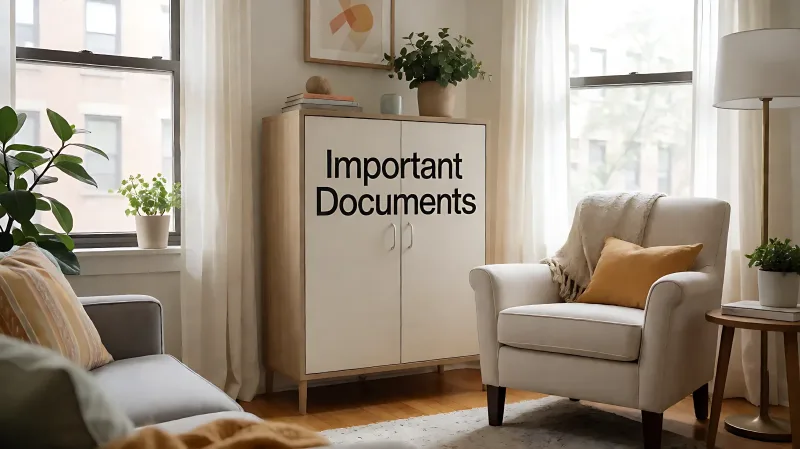
To declutter a seniors home without losing important documents, separate physical records from general belongings early in the process. Use a dedicated, clearly labeled fireproof box for vital paperwork such as wills and deeds. Digitize non-urgent files to reduce volume, and work in short, manageable sessions to prevent decision fatigue and emotional overload.
Why Document Safety Must Come First in Downsizing
For many older adults, the home is not just a physical structure but a repository of personal history. When families or caregivers assist with decluttering, the risk of accidentally discarding critical legal and financial records is a primary concern. According to guidance from Sunrise Senior Living, the transition to a smaller space or senior living community can be emotionally difficult, making a structured approach essential. The goal is to reduce clutter to improve safety and independence while ensuring that no vital record is lost in the shuffle.
Before tackling general items, it is crucial to identify what constitutes an important document. This includes government-issued identification, passports, birth certificates, and social security cards. Financial records such as tax returns, investment statements, and insurance policies are also high-priority items. While tax records generally need to be kept for seven years, older files can often be digitized or shredded securely once that period has passed, provided no audits or legal claims are pending.
How Do You Create a Safe Document Management System?
One of the most effective ways to protect records is to create a dedicated, hard-to-miss storage spot. Avoid hiding important papers in the back of junk drawers or mixed in with old receipts. Instead, use a sturdy, fireproof safe or a clearly marked lockable box. If the senior has limited mobility, this storage solution should be at waist height and on the same floor where they spend most of their time.
Consider digitizing non-sensitive documents to reduce physical bulk. Scanning old utility bills, minor receipts, or expired insurance cards into a secure cloud folder allows you to delete the paper version. This strategy aligns with advice from expert organization consultants who recommend using technology to preserve memory and information without keeping every physical object. Ensure that any digital files are backed up on an external drive stored off-site, providing a double layer of security against fire, theft, or technical failure.
- Fireproof Storage: Keep original wills, deeds, and identification in a small, portable fireproof box.
- Digital Backups: Scan financial statements and medical records that are useful but not immediately required.
- Shredding Protocol: Use a cross-cut shredder for documents containing personal data that are no longer needed, rather than just recycling them.
What Is the Best Room-by-Room Strategy for Organizing?
Attempting to declutter an entire house at once often leads to burnout. A room-by-room approach allows for steady progress. Start with less sentimental areas, such as the garage or kitchen, to build confidence. In the kitchen, clear out expired pantry items and duplicate utensils, ensuring that frequently used items are within easy reach to prevent unnecessary bending or climbing.
When moving to the living room and bedroom, focus on safety. Clear pathways for walkers or wheelchairs and remove loose rugs that can cause tripping. In the bedroom, limit clothing to what is actually worn in the current season. Donate items that no longer fit and use drawer dividers to organize essentials. For storage areas like attics or basements, sort through boxes carefully. If a box has not been opened in over a year and contains no vital records, it is likely a candidate for donation or disposal.
How Should Families Handle Sentimental Items and Memories?
Decluttering is rarely just about physical objects; it is often about letting go of memories. Families should approach this with empathy, allowing the senior to make the final decisions on what to keep. Limit the number of items kept to those with the strongest emotional significance. Creating a single "memory box" for these curated items can be a powerful way to honor the past without letting it overwhelm the present.
For items like old photographs, children’s artwork, or important letters, digitization is a key tool. Scanning these items preserves the memory while freeing up physical space. If physical storage is still preferred, label boxes clearly with dates and contents. For heirlooms that are not useful to the senior, passing them to loved ones can reframe the process from losing things to sharing them. This aligns with the compassionate approach recommended by senior living experts, who emphasize that the goal is to create a space that supports the current lifestyle and needs of the individual.
When Is It Time to Hire Professional Organizers?
While DIY decluttering works for many, some situations require professional help. If the senior has cognitive impairments, such as dementia or Alzheimer’s disease, their ability to sort and make decisions may be compromised. In these cases, professional organizing services that specialize in senior downsizing can provide a gentle, structured approach. These experts can help manage the emotional weight of the process and ensure that tasks are completed safely.
Professional organizers also provide safety benefits by helping with heavy lifting and reaching, reducing the risk of injury. They can assist in setting up accessible storage systems, such as pull-out shelves and vertical organizers, which are specifically designed to accommodate mobility aids. If the family is struggling with decision fatigue or the sheer volume of items, hiring a pro can turn a stressful crisis into a manageable project.
FAQ
How long should seniors keep tax documents?
Generally, it is recommended to keep tax returns and supporting documents for seven years. This covers the period during which the Internal Revenue Service may audit a return. Once this timeframe has passed, the documents can be digitized for long-term reference or shredded securely if they contain no other vital information.
What are the most important documents to save?
The most critical documents include government-issued photo identification, passports, birth and marriage certificates, social security cards, wills, trusts, and powers of attorney. Additionally, keep recent medical insurance cards and a list of emergency contacts. These items should be stored in a dedicated, easily accessible, and secure location.
How can you prevent emotional stress when decluttering?
Prevent stress by working in short, 20-minute sessions and taking regular breaks. Focus on the benefits of the new space, such as improved safety and easier cleaning. Involve trusted family members in the process to provide emotional support, and be patient with the pace of progress. Remember that it is okay to keep a few extra items if they provide comfort.