Home Maintenance Tips for Aging in Place
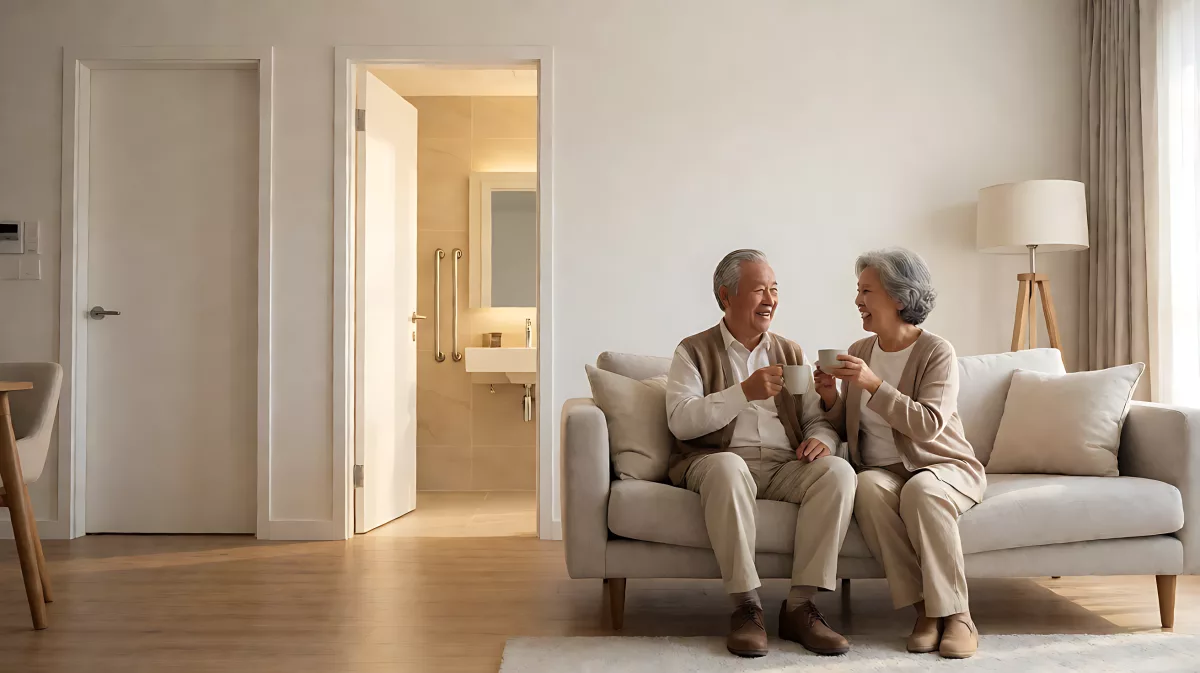
Aging in place requires more than just staying in your home; it involves proactive maintenance and thoughtful design changes. This guide outlines specific steps to enhance safety and comfort for the future.
Preparing your home for aging in place involves combining routine maintenance with thoughtful design upgrades that prioritize safety and accessibility. By addressing structural needs early and incorporating universal design elements, you can create a living environment that supports independence and comfort for years to come.
Why Plan for Aging in Place Early?
Most people hope to remain in their familiar homes as long as possible. However, aging in place is not just about location; it is about ensuring the home continues to support your changing physical and lifestyle needs. Life events such as retirement, health changes, or becoming a caregiver can shift your requirements significantly. Planning ahead provides more flexibility and choice than reacting to immediate challenges. Understanding how your home supports daily activities is the first step in creating a space that adapts to your future needs.
What Maintenance Tasks Should You Prioritize?
Routine maintenance protects your home and prevents minor issues from becoming major safety hazards. For older adults, staying ahead of these tasks is crucial. Key priorities include inspecting the roof for wear, cleaning gutters and downspouts to prevent water damage, and checking plumbing for leaks. You should also test smoke detectors regularly and service heating and cooling systems to ensure they operate efficiently. Trimming trees and branches near the house prevents storm damage, while monitoring appliances for signs of failure avoids unexpected breakdowns. Addressing repairs immediately is vital, as delayed fixes can lead to higher costs and increased risks.
It is important to recognize when tasks have become too physically demanding for you to handle alone. Activities involving ladders, roof work, or heavy lifting are best left to qualified professionals. Hiring help for these specific tasks ensures safety and prevents injury.
How Does Universal Design Improve Your Home?
Universal design focuses on creating spaces that are easy to use for people of all ages and abilities, not just those with mobility challenges. This approach emphasizes comfort, convenience, and flexibility without sacrificing style. Many homeowners underestimate the benefits of these features for everyday life. For instance, installing lever-style door handles makes opening doors easier for people with limited hand strength. Single-lever faucets are simpler to adjust than traditional knobs. Widening doorways allows for easier passage of wheelchairs or walkers, while improved lighting reduces the risk of trips and falls. Minimizing thresholds between rooms creates a smoother flow throughout the house. These small changes make daily tasks less strenuous and prepare the home for future accessibility needs.
Which Home Modifications Support Safety and Independence?
Simple improvements can make a significant difference in reducing fall risks and enhancing accessibility. Consider installing grab bars in bathrooms, choosing slip-resistant flooring for kitchens and showers, and improving lighting throughout the home. Replacing round doorknobs with lever handles and adding pullout drawers in cabinets make storage more accessible. Installing comfort-height toilets and handheld shower heads adds convenience. Creating step-free entryways, where possible, eliminates a common tripping hazard. Reducing or eliminating thresholds between rooms further improves mobility. Many of these updates can be incorporated during routine remodeling projects, making them more cost-effective to implement.
How Should You Approach Kitchen and Bathroom Remodels?
When planning a kitchen or bathroom remodel, think about how the space will serve you in the long term. In the kitchen, focus on accessible storage solutions like pullout shelving and drawers that bring items to you. Slip-resistant flooring and enhanced task lighting improve safety and visibility. Wall ovens can reduce the need for bending and lifting heavy pots. Easy-to-use cabinet hardware simplifies daily tasks. In the bathroom, walk-in showers are a popular choice for accessibility. Non-slip flooring and built-in or fold-down shower seating provide support and stability. Consider pre-installing wall reinforcement for future grab bars and improving lighting to make the space safer. Discussing your long-term goals with your contractor ensures that current priorities align with future needs.
What Factors Influence Your Decision to Stay?
Aging in place is about more than just physical modifications; it involves creating a lifestyle that supports your well-being. Evaluate whether your home still meets your current needs and if it can accommodate future changes in health or mobility. Consider the convenience of your community for healthcare, shopping, and social activities. Reflect on what updates would make daily life easier or more enjoyable. The right balance depends on your personal comfort, practicality, and long-term goals. By assessing these factors, you can make informed decisions about your living situation.
How Can You Start Planning Your Next Steps?
You do not need to complete all changes at once. A gradual approach allows you to manage projects and prioritize the most important improvements. Start by identifying maintenance issues that need attention today. Then, look for modifications that will enhance safety, convenience, or accessibility over time. Staying proactive helps maintain your independence and confidence in the home you love. Small, consistent efforts can lead to a living space that supports you for years to come.
Frequently Asked Questions
What is universal design?
Universal design is an approach to home design that creates spaces usable by people of all ages and abilities. It focuses on comfort, accessibility, and flexibility, such as wider doorways and lever handles, without sacrificing style.
Why is routine maintenance important for aging in place?
Routine maintenance prevents small issues from becoming dangerous or expensive problems. It ensures that structural elements, like roofs and plumbing, remain safe and functional, reducing the risk of accidents or major repairs later.
Can universal design features be added to an existing home?
Yes, many universal design features can be added during routine updates or renovations. Examples include replacing doorknobs with lever handles, improving lighting, and reducing thresholds between rooms.
How do I know if it is time to hire help for home tasks?
If tasks involve ladders, roofs, or heavy lifting, or if you feel unsure about your ability to complete them safely, it is time to hire a professional. Prioritizing your safety prevents injuries.
What is the benefit of planning ahead for home modifications?
Planning ahead gives you more time and options to make thoughtful decisions. It allows you to incorporate features that support your current needs and prepare for future changes in mobility or health.