Fire Safety Blind Spots in Older Housing
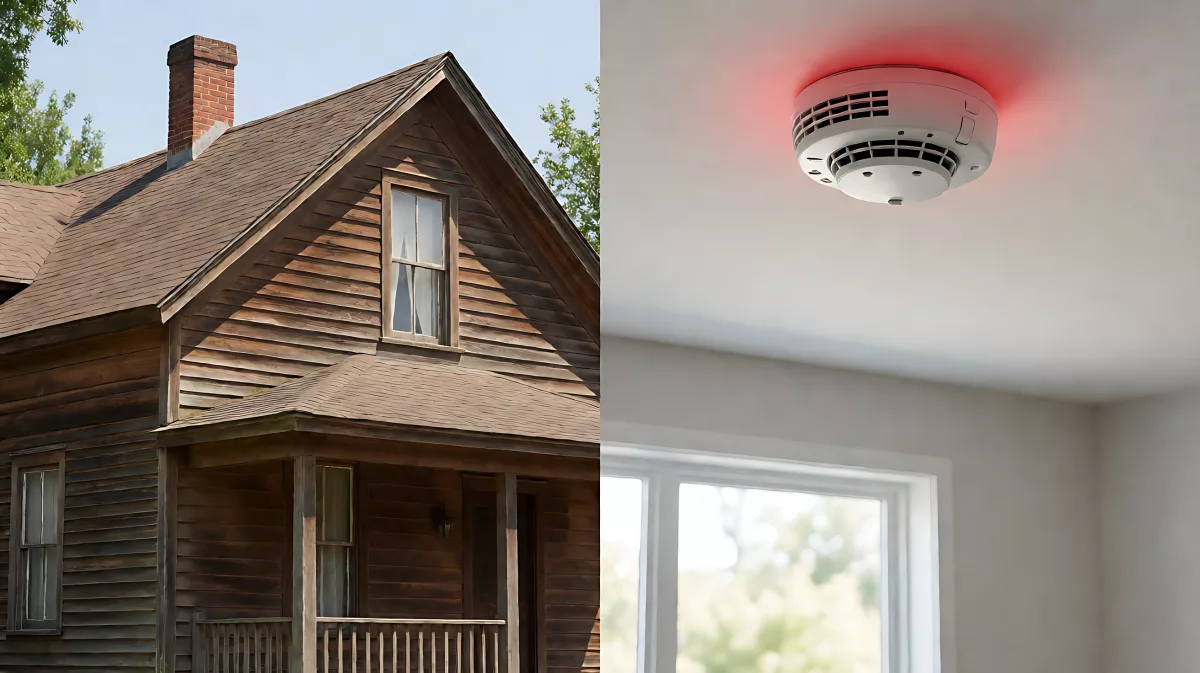
Older homes carry unique fire risks that modern construction does not. From aging wiring to missing smoke detectors, here is how to identify and fix these hidden dangers today.
Older homes often contain hidden fire hazards that modern houses do not face. Key blind spots include aging electrical wiring, missing or faulty smoke detectors, and combustible building materials. In 2026, homeowners should prioritize a full electrical inspection, install interconnected smoke alarms on every floor, and check for blocked escape routes to mitigate these risks effectively.
Why are older houses more prone to fire?
Structural differences in pre-1980 housing create specific vulnerabilities. Many older buildings were constructed with lightweight timber framing and lacked the fire-rated separations standard in newer construction. This means a small kitchen fire can spread to the main structure much faster than in a contemporary brick-and-concrete home. Furthermore, older electrical systems were often designed to handle far less power than modern devices require, leading to overheating and potential ignition.
What specific materials increase fire risk in vintage homes?
Fabric window coverings are a major concern. While modern regulations under standards like BS EN 13120 mandate safety devices for cords, many older blinds installed decades ago lack these features entirely. Long, loose cords pose a strangulation risk, but frayed or synthetic fabrics that do not meet current fire-retardant standards can also act as accelerants. If you have vintage roller or Venetian blinds, check for intact safety cleats or consider replacing them with cordless, fire-retardant alternatives to comply with current safety expectations.
How do you identify electrical blind spots?
Electrical failures are a leading cause of house fires in older stock. The primary blind spot is the condition of the wiring insulation. Rubber-insulated wires, common in homes built before the 1960s, become brittle over time and crack, exposing live conductors. Look for scorch marks around plugs, outlets, or switch plates. Also check the consumer unit; older fuse-based boards do not offer the same level of circuit protection as modern RCD-protected breakers. If you see a mix of old and new plugs, or if your circuit trips frequently, this is a red flag for a latent fire hazard.
What should you check on your smoke detector system?
Many older homes have hardwired smoke detectors that may no longer be functional. In the US and UK, best practice requires at least one detector per floor and outside each sleeping area. A critical blind spot is interconnectivity. If one detector sounds, they should all sound. In older homes, detectors are often isolated, meaning a fire in the basement may go undetected in the bedrooms upstairs. HSI Fire Safety emphasizes that professional testing equipment is sometimes needed to verify detector sensitivity, but homeowners should perform monthly manual tests. If a detector is more than ten years old, replace it immediately, regardless of whether it still beeps when tested.
Which escape routes are most commonly blocked?
In multi-story older homes, interior staircases and ground-floor doors are primary escape routes. A common blind spot is the accumulation of clutter in these pathways. Fire safety guidelines from organizations like the NFPA stress that exit paths must remain unobstructed. However, older homes often have built-in closets or nooks adjacent to exits where residents store seasonal items. If a door leading to the outside is locked, or if a window is painted shut, it is no longer a viable escape route. Ensure all exit doors open easily and that you have a spare key or tool handy if a window is fitted with a security pin.
What role do heat sources play in older housing?
Older heating systems, such as cast-iron radiators or wood-burning stoves, have unique fire risks. Wood-burning stoves in homes with high ceilings and open doorways can spread embers to the roof or upper floors if not properly serviced. Cast-iron radiators in very old homes may have thin pipes that leak near heating elements, creating a risk of scalding or short-circuiting nearby electrical appliances. Regular servicing of heating systems is not just a comfort measure; it is a fire prevention strategy.
| Hazard Area | Common Blind Spot | Action Step |
|---|---|---|
| Window Blinds | Loose cords or non-fire-retardant fabric | Replace with cordless, rated fabrics |
| Electrical | Brittle rubber insulation on old wires | Book a qualified electrician for a full inspection |
| Smoke Detection | Non-interconnected or outdated units | Install new interconnected alarms on all floors |
| Escape Routes | Clutter in stairwells or locked exits | Clear all exits and test locks monthly |
How do you create a fire safety plan for family members?
Knowing the location of hazards is only the first step. You must have a rehearsed escape plan. Identify two ways out of every room. In older homes, windows may be the only exit if a hallway becomes blocked by smoke. Teach children to stay low, as smoke rises. Designate a meeting point outside the home, away from the structure. If you live in a dense neighborhood of older homes, remember that fire can spread between properties. Keep the exterior of your home clear of flammable materials like wooden pallets or dried leaves near the foundation.
When should you call a professional inspector?
Call a fire safety professional if you notice burning smells, discolored outlet plates, or frequent circuit trips. Do not attempt to repair old wiring yourself. For smoke detectors, if you are unsure about the installation type or interconnectability, a specialist can audit your system. In many jurisdictions, landlords are legally required to provide compliant safety equipment, so if you are renting, report deficiencies to your landlord in writing.
Frequently Asked Questions
Are vintage carpets a fire risk?
Yes. Older carpeting and underlayment often use materials that are not fire-retardant. If your carpet is worn, it may have exposed underlying paper backing which is highly flammable. Consider replacing old carpet with modern, fire-rated underlayment and face fabric to reduce fuel load in your home.
Do I need a fire extinguisher in every room?
No, but you should have at least one general-purpose ABC fire extinguisher near the kitchen and another near the garage or workshop. Ensure these are inspected annually for pressure and seal integrity. Do not rely on a single extinguisher in a large, older home.
Is it safe to upgrade my panel without replacing the wiring?
Only if the existing wiring is in good condition and correctly sized for the new panel capacity. An electrician must verify that the main service drop and branch circuits can handle the new load. In many older homes, a panel upgrade is part of a whole-house rewire project because the original wiring is no longer safe or efficient.