Best Home Air Quality Monitors: 2026 Guide to Sensors
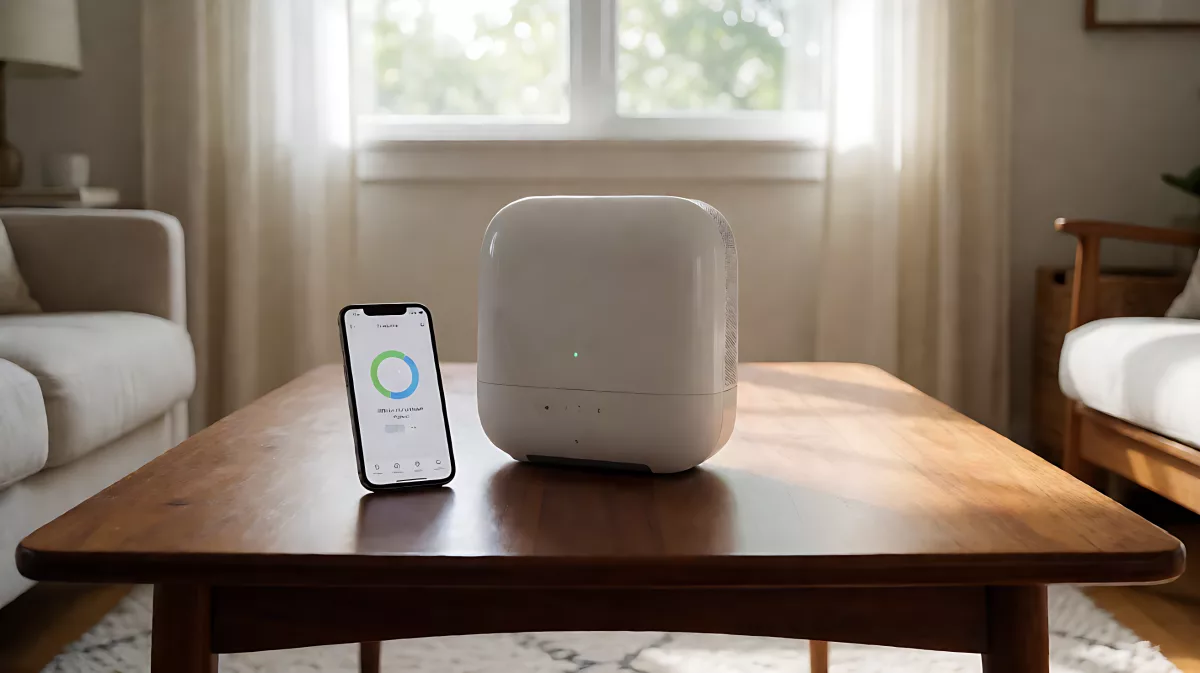
Indoor air is often more polluted than outside. Learn how modern monitoring devices track CO2, particulates, and humidity to improve your home's air quality in 2026.
Home air quality monitoring involves using digital sensors to track pollutants like carbon dioxide, particulate matter, and volatile organic compounds in real time. By placing devices in bedrooms and living areas, households can identify hidden pollution sources and take immediate action to improve comfort and health without professional inspections.
Why Indoor Air Quality Matters More Than Outdoor
Most people spend up to 90 percent of their waking hours indoors, according to industry experts from uHoo, a provider of smart air solutions trusted in over 50 countries. This statistic highlights a critical blind spot: while outdoor pollution makes headlines, the air inside our homes and offices is often up to five times more concentrated with harmful particles. You take approximately 20,000 breaths per day, meaning the quality of that air directly impacts your sleep, focus, and long-term cardiovascular health.
What Pollutes Your Home the Most?
The primary culprits in residential spaces are not always visible. Carbon dioxide levels rise significantly when windows are closed for extended periods, leading to brain fog and fatigue. Fine particulate matter, or PM2.5, enters from traffic, cooking, and dust. Additionally, carbon monoxide and nitrogen dioxide can pose serious health risks if ventilation systems are inadequate. Modern monitors are designed to catch these spikes before they become chronic health issues.
How Do Home Air Quality Sensors Work?
Consumer-grade monitors have evolved from simple digital hygrometers into sophisticated multi-sensor hubs. Brands like uHoo and WellAir Solutions offer devices that track between nine and 16 different environmental parameters. For residential use, the focus is usually on CO2, temperature, humidity, and particulate matter.
Sensors use optical scattering to detect particles and electrochemical methods to measure gases. Devices like the uHoo Caeli use an active fan to draw air samples, ensuring professional-grade accuracy every minute. This data is processed into a single, easy-to-understand score, removing the guesswork for users who are not environmental engineers.
Key Metrics to Track
- Carbon Dioxide (CO2): High levels indicate poor ventilation. Ideal levels are below 1,000 parts per million.
- Particulate Matter (PM2.5): Microscopic particles that can enter the bloodstream. Lower is always better.
- Humidity: Should be between 40 and 60 percent to prevent mold growth.
- Volatile Organic Compounds (VOCs): Chemicals from cleaning products, paints, and furniture off-gassing.
Top Tools for Monitoring Your Home in 2026
The market in 2026 offers several standout options for consumers who want reliable data. Choosing the right device depends on whether you need basic monitoring or integration with a smart home ecosystem.
uHoo Caeli
Priced at $249, the uHoo Caeli is a top choice for households seeking deep analytics. It tracks nine air parameters and features four proprietary health indices that translate raw data into actionable advice. The device integrates seamlessly with Matter, Apple Home, Google Home, and Alexa, allowing you to trigger fans or purifiers automatically when air quality drops.
WellAir NanoDetect
While often targeted at commercial spaces, the WellAir NanoDetect Pro offers robust monitoring for high-end residential users. It can track up to 15 indoor air and environmental quality parameters in real time. Its modular design allows for expansion, and it helps users align their home environment with standards like WELL and LEED, which are increasingly relevant for residential health certifications.
| Feature | uHoo Caeli | WellAir NanoDetect Pro |
|---|---|---|
| Parameters Tracked | 9 | Up to 15 |
| Smart Home Integration | Matter, Apple, Google, Alexa | Focus on certification/audit |
| Primary Use Case | Residential/Health | Commercial/High-end Residential |
| Reading Interval | Every 1 minute | Continuous Real-time |
How to Interpret Your Data
Getting the device is only the first step. To get value, you must understand the alerts. A sudden spike in CO2 might mean a housemate entered the room or a window was closed. A rise in PM2.5 could indicate cooking without proper ventilation or a dust storm outside. Most 2026-era monitors provide plain-language alerts that tell you exactly what changed and what to do next, such as opening a window or running a dehumidifier.
Acting on the Data
Use your monitor to schedule ventilation times. For example, if CO2 peaks every morning during exercise, program your smart home system to run exhaust fans 30 minutes before your workout. Regularly clean filter-based purifiers, as clogged filters render monitoring less accurate. Keep the sensor away from direct sunlight and kitchen vapor sources to ensure the optical sensors are not skewed.
Frequently Asked Questions
How accurate are home air quality monitors?
Modern consumer monitors like the uHoo Caeli use active sampling fans and calibrated optical sensors, making them significantly more accurate than passive badge-style sensors. They provide minute-by-minute data that is reliable for tracking trends and identifying immediate issues, though they are not a substitute for legal-grade laboratory testing.
Do I need a separate monitor for each room?
For most homes, one to two units are sufficient. Air quality can vary by room, so placing one in the main living area and one in the bedroom provides a good baseline. If you have specific concerns about a home office or nursery, adding a second or third unit is recommended for 24-hour coverage.
Can monitors detect allergens?
Yes, most advanced monitors track PM2.5, which includes many common allergens like dust mite debris, pollen, and pet dander. While they cannot identify the specific type of allergen, they can alert you when particulate levels rise, allowing you to trigger purifiers to reduce exposure.