Hidden Inflation Cost of Keeping a Second Car
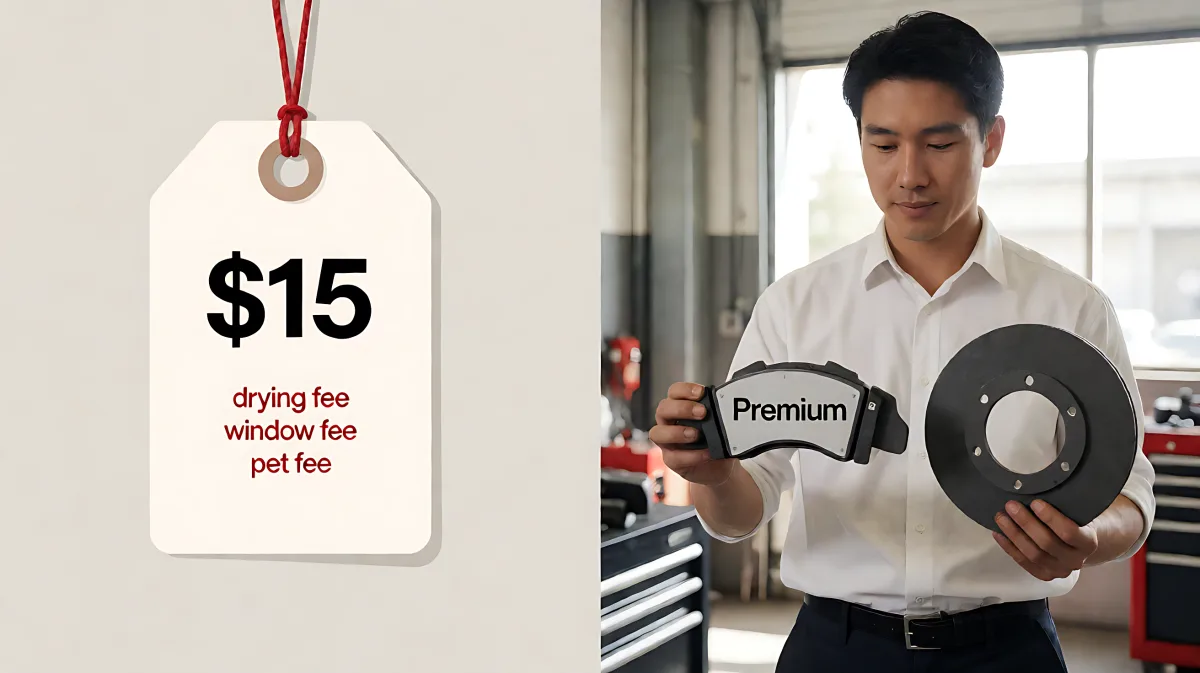
Is your second car budget proof against hidden fees and shrinking quality? Learn how to calculate the true 'sneakflation' and 'shrinkflation' impact on your automotive spending to protect your household finances.
Keeping a second car often hides a financial drain caused by "sneakflation" and "shrinkflation." These terms describe rising service surcharges and reduced part quality that official inflation indices miss. In 2026, the Federal Reserve notes that services, including auto repairs, are inflating faster than goods. To manage this budget, you must calculate the true unit cost of maintenance, not just the sticker price, using a step-by-step checklist to track hidden fees and quality drops annually.
Why Official Inflation Reports Miss Your Car Costs
Many drivers assume that if the Consumer Price Index (CPI) reports 2% inflation, their car maintenance bills will rise by the same amount. But in fact, the automotive sector is a hotspot for "sneakflation," where service providers add new fees or quietly reduce service quality while keeping base prices static. For example, a dealership might keep the base oil change at the same price but add a mandatory "disposal surcharge" or "convenience fee" that did not exist previously. This phenomenon is tracked by consumer watchdog groups who note that hidden service charges in the automotive sector have compounded significantly since 2025. When you hold two vehicles, these hidden per-service fees double your exposure, creating a cash drain that is invisible if you only look at your total monthly payment.
What is sneaky fee inflation in auto services?
Sneaky fee inflation, or snekflation, occurs when businesses add new line items to a bill that was previously a single flat rate. In 2026, common examples in the auto industry include "shop supply fees" for basic tools and "electronic waste handling" charges. According to data from the Association of International Vehicle Manufacturers, these incidental fees now account for up to 15% of the total cost of a standard service. For a household keeping a second car, this means every routine maintenance event carries an additional, unadvertised cost that erodes your purchasing power without a visible price hike on the main menu.
How Shrinkflation Affects Car Parts and Fluids
Shrinkflation is not limited to grocery aisles; it heavily impacts automotive consumables. This is where "skimpflation" also plays a role. Manufacturers of aftermarket parts, such as brake pads, filters, and fluids, may reduce the material volume or switch to lower-grade compounds while keeping the retail price flat. For instance, a battery that used to have a 10-year warranty might now only offer 7 years, or a bottle of transmission fluid might be smaller, requiring two bottles to fill a reservoir where one used to suffice. The Global Inflation Calculator team highlights that quality-adjusted inflation is significantly higher than nominal inflation when these factors are included. If your second car requires more frequent part replacements due to lower-quality components, your effective annual maintenance cost rises well above the reported headline rate.
How do you calculate the true cost of a shrunken part?
To identify this hidden cost, you must compare the "price-per-quality-unit" rather than just the price tag. If a brake pad set previously weighed 4 kilograms and now weighs 3.5 kilograms at the same price, you have lost roughly 12.5% of the material value. When applied to a vehicle that drives high mileage, this means the part wears out faster, requiring earlier replacement. This creates a compounding effect: you buy the part more often, and each purchase is effectively more expensive per mile of service. For a second car used for school runs or commuting, this frequency multiplier is critical to your budget health.
A Step-by-Step Checklist to Track Hidden Inflation
To stop untracked fees and quality cuts from draining your savings, apply this checklist to your second car's maintenance records. This method allows you to distinguish between genuine market inflation and predatory pricing tactics.
- Identify Fee Additions: Check your last three service invoices for new line items. If a "safety inspection" fee appears that was previously included, note the amount. This is a classic snekflation event. Add this amount to your monthly budget as a fixed holding cost for both vehicles.
- Calculate Unit Price of Consumables: For fluids and tires, divide the price by the quantity (liters or pounds). If the price stays the same but the bottle size drops from 5 liters to 4.5 liters, your cost per liter has increased by nearly 11%. Adjust your annual supply budget accordingly.
- Track Quality Metrics: Note the brand and grade of parts installed. If a "premium" part is replaced with a "standard" part at the same price, you are paying a premium for a lower-grade product. This is skimpflation. Ensure you explicitly request the original specification to maintain true value.
- Run the Cumulative Calculation: Use the formula FV = PV x (1 + r)^n, where r is your adjusted inflation rate including hidden fees. If your effective car inflation rate is 5% (2% base + 3% hidden fees), the cost of maintaining your second car in five years will be roughly 28% higher than the nominal price suggests.
- Audit Annual Totals: At year-end, sum all receipts for the second car. Compare this total against your original budget. Any discrepancy usually points to untracked sneakflation events that you did not anticipate.
Common Myths About Second Car Costs
Many families assume that keeping a second car is purely a matter of convenience, with costs scaling linearly with miles driven. But in fact, the fixed overhead of holding a second vehicle includes insurance, registration, and hidden service surcharges that do not reduce just because the car sits idle in a garage. Furthermore, there is a misconception that new cars are immune to shrinkflation. In reality, "connected car" subscriptions and software update fees have become a major source of snekflation. In 2026, vehicle manufacturers increasingly monetize features that used to be standard, charging monthly fees for heated seats or advanced driver-assistance systems. For a household with two vehicles, these recurring digital fees can add up to hundreds of pounds or dollars annually, effectively increasing the cost of ownership without a single physical part being replaced.
FAQ
How is sneakflation different from standard inflation?
Standard inflation is measured by price increases in a fixed basket of goods. Sneakflation involves adding new fees or charges to a service that was previously all-inclusive. While standard inflation is reported by central banks, sneakflation is a business practice that often bypasses official statistical tracking because the base price may remain static while the total transaction amount rises due to appended surcharges.
What is the best way to defend against skimpflation in auto parts?
The best defense is to specify materials, not just brands. Instead of asking for "the best brake pads," request specific thickness or compound grades that you have used previously. By defining the quality metric in writing, you prevent the mechanic from substituting a lower-quality component at the same price point. Keep a log of part specifications in your car's maintenance file to ensure consistency.
Do electric cars suffer from shrinkflation?
Yes, but in different forms. Electric vehicles are subject to battery degradation that may be managed by software updates that reduce range, effectively shrinking the product's utility without a physical change. Additionally, charging networks often introduce dynamic pricing or "peak surcharges" that act as sneakflation, driving up the effective cost of energy per mile compared to the advertised base rate.
How often should I recalculate my car's inflation factor?
Recalculate your effective inflation factor annually, preferably at the same time you renew your insurance. Prices for parts and labor, as well as the list of hidden fees, change on an annual cycle in most automotive contracts. By recalibrating your budget once a year, you can catch drift in your spending and adjust your savings targets before the gap widens significantly.