Hidden Home Maintenance Costs: Budgeting Guide
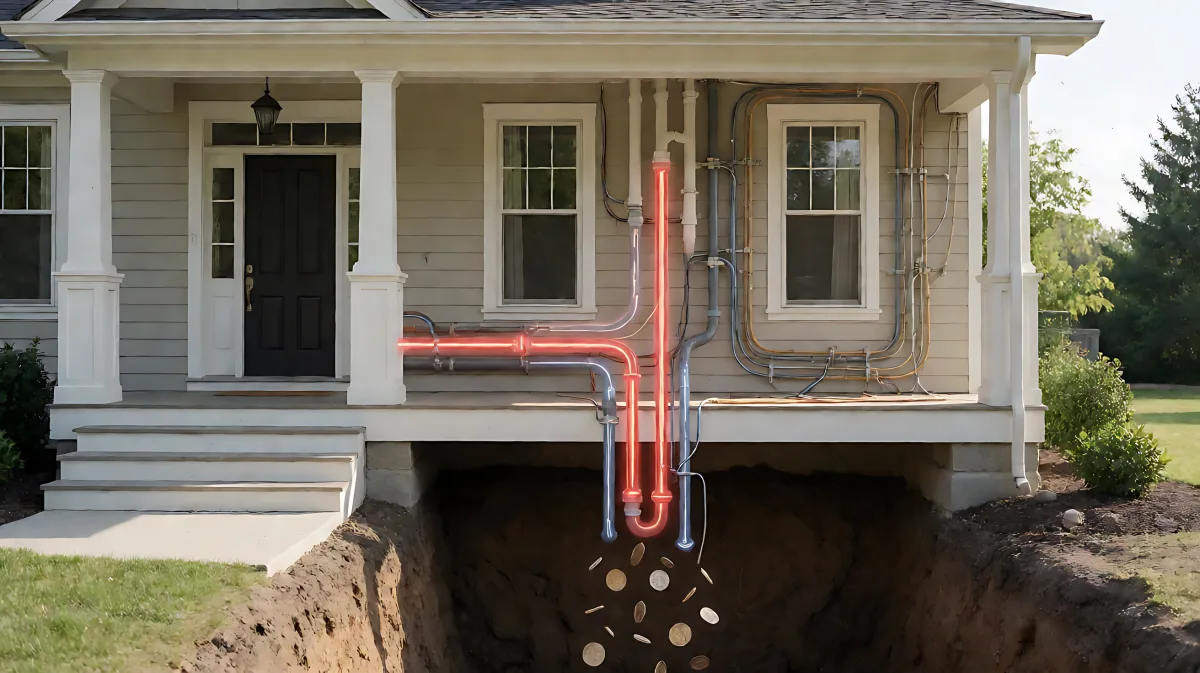
Homeownership carries invisible financial burdens that often exceed monthly mortgage payments. This guide breaks down the hidden costs of deferred upkeep, inefficient systems, and unexpected facility fees, helping you plan for the true price of maintaining your property.
Hidden home maintenance costs often account for 1 to 4 percent of a home's value annually, a figure that surprises many first-time buyers. Beyond standard utilities, these expenses include deferred structural repairs, inefficient irrigation systems, and unexpected fees in assisted living facilities. Understanding these variables helps homeowners avoid financial shock and maintain long-term property value.
Why Is Deferred Maintenance a Financial Trap?
Many homeowners view postponing repairs as a way to save money, but this strategy often backfires significantly. Deferred maintenance is not merely a lack of immediate spending; it acts as a compounding debt. Similar to high-interest credit cards, every neglected repair accrues "interest" in the form of structural damage and reduced efficiency. For instance, a minor roof leak that is ignored for a season can lead to extensive interior water damage, mold remediation, and insulation replacement. In the United Kingdom, the public sector faces a maintenance backlog estimated at over $60 billion, a stark reminder that delayed fixes become exponentially more expensive over time. Property managers and homeowners alike must recognize that skipping a $500 filter change today might result in a $5,000 HVAC replacement later.
What Are the Invisible Costs of Inefficient Systems?
Modern homes rely on complex systems that often operate inefficiently without owner awareness. Irrigation systems are a prime example, particularly in arid regions of the US and parts of the UK. Many residential systems suffer from poor distribution uniformity, where some areas receive excessive water while others remain dry. This inefficiency not only wastes utility funds but also damages landscaping, leading to higher replacement costs. According to agricultural data from 2025, smart monitoring devices can identify flow rate issues that would otherwise go unnoticed for years. By tracking real-time data, homeowners can optimize water usage, reducing bills and preventing crop or garden loss. Without this visibility, residents often maintain systems on rigid schedules that are either too frequent or infrequent, leading to unnecessary labor and parts costs.
How Do Facility Fees Impact Senior Budgeting?
For those transitioning to assisted living or senior care, the sticker price is rarely the total cost. Organizations such as AARP warn that hidden fees are common in these facilities. These can include entrance fees, which may range from thousands to tens of thousands of dollars, as well as service fees, incidentals, and care coordination charges. In many cases, the base monthly rent covers only housing, while personal care, housekeeping, and transportation are billed separately. Prospective residents and their families must audit these contracts carefully. A simple oversight in understanding what is covered by the base rate versus add-on services can create a budget gap of several hundred dollars per month. This financial unpredictability can strain family resources quickly if not planned for from day one.
How Can Residents and Owners Prevent Costly Surprises?
Proactive management is the key to controlling these hidden variables. For residential properties, routine check-ins with service providers can identify small issues before they escalate. Data-driven approaches, such as using smart valves or HVAC monitors, allow for maintenance based on actual performance rather than guesswork. For those managing rental properties or larger communities, automated communication systems help track maintenance requests and ensure compliance. This reduces the risk of negligence, which is often cited as a primary driver of negative reviews and tenant turnover. By treating maintenance as an ongoing investment rather than a reactive expense, owners protect both their cash flow and the asset's market value.
What Is the Long-Term Impact on Property Value?
Neglected upkeep directly correlates with lower resale values. Buyers and inspectors increasingly scrutinize a home's maintenance history. Documentation of regular servicing, repairs, and upgrades serves as proof of care, potentially increasing sale price and speeding up the transaction. Conversely, a home with a history of deferred maintenance may require significant price reductions or fail inspections. In 2026, the housing market remains competitive, and well-maintained properties command a premium. Furthermore, efficient systems like optimized irrigation and modern HVAC units are selling points that appeal to environmentally conscious buyers looking for lower long-term utility costs.
What Specific Steps Should You Take This Year?
- Audit your utility bills for unusual spikes that may indicate system inefficiency.
- Request detailed service statements from any assisted living facility before signing.
- Implement a digital log for all home repairs to track history and warranties.
- Consider smart home devices for real-time monitoring of water and energy usage.
- Budget 1 to 4 percent of the home's value annually for major repairs and replacements.
FAQ
How much should I set aside for home maintenance?
Experts generally recommend budgeting between 1 and 4 percent of the home's total value per year. This accounts for routine repairs, seasonal upkeep, and major systems replacements like roofing or HVAC. For a home valued at $500,000, this translates to $5,000 to $20,000 annually, which can be managed through a dedicated savings account.
Do smart home devices actually save money on maintenance?
Yes, by providing real-time data on system performance. Smart irrigation and HVAC monitors can detect leaks, clogs, or inefficiencies early, allowing for targeted repairs. This prevents major breakdowns and reduces utility waste, often paying for the device installation within a few years.
What are the most common hidden fees in senior living?
The most frequent hidden costs are entrance fees, amenity charges, and personalized care plans. These can add up to thousands of dollars monthly beyond the base rent. It is crucial to ask for a comprehensive fee schedule that includes all potential add-ons before committing to a facility.
How does deferred maintenance affect tenant retention?
Slow response times to maintenance requests are a leading cause of tenant turnover. One in three negative reviews in the multifamily market stem from upkeep issues. Prompt, proactive maintenance improves resident satisfaction and helps maintain high occupancy rates, protecting the property's revenue stream.