Setting Up a Safe Ground Floor Home for Seniors
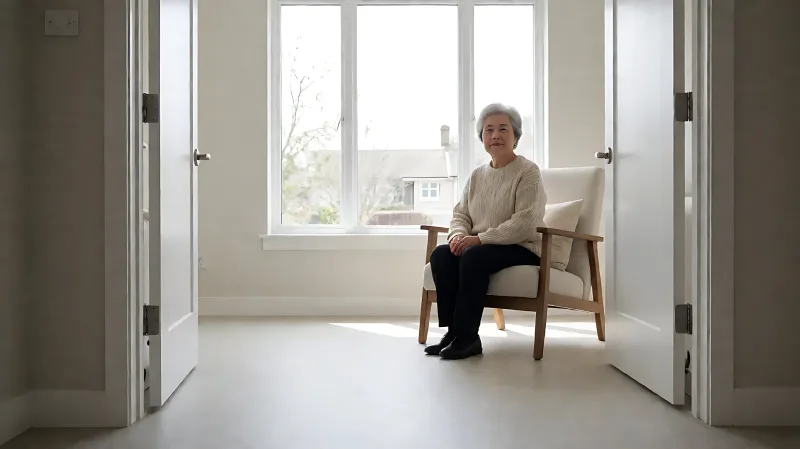
Discover practical strategies to create a secure and comfortable ground floor environment for seniors who cannot climb stairs. From furniture arrangement to essential safety upgrades, ensure your loved one can live independently and safely at home.
Setting up a safe ground floor living space involves removing tripping hazards, widening walkways, and ensuring essential amenities are within easy reach. This allows seniors who cannot manage stairs to live independently and reduce fall risks significantly.
Why Is a Ground Floor Focus Critical for Seniors?
For older adults with mobility issues, stairs represent a significant fall risk. According to the National Institute on Aging, falls are a leading cause of injury among seniors over 65. By consolidating living activities on the ground floor, you eliminate the need for vertical navigation. This approach supports the goal of aging in place, allowing individuals to remain in their familiar homes while reducing physical strain and emergency room visits.
How Do I Assess the Room Layout for Mobility?
The first step is to evaluate how your loved one moves through the space. Identify narrow bottlenecks between furniture and the kitchen or bathroom. You need clear pathways that are at least 32 inches wide to accommodate a wheelchair or walker comfortably. Remove loose rugs, electrical cords, and decorative items from walkways. These small obstacles are major contributors to accidental falls.
What Is the Best Furniture Arrangement?
Rearrange furniture to create open zones for movement. Place a sturdy chair with armrests in a central location, allowing for easy standing and sitting without requiring maximum overhead reach. Keep frequently used items, such as remote controls, water, and medicines, within arm's reach. Avoid placing essentials on high shelves or low floor storage that requires bending or stretching. This vertical zoning ensures that daily tasks do not require excessive physical effort.
How Do I Enhance Bathroom Safety on the Ground Floor?
The bathroom is one of the most hazardous rooms in the house due to slippery surfaces. If your ground floor has a full bathroom, retrofit it with accessibility features. Install sturdy grab bars near the toilet and inside the shower area. Consider replacing a standard tub with a walk-in shower or a low-threshold tub to eliminate the need to step over high edges. Add non-slip mats to the floor and inside the bathing area. Ensure lighting is bright and uniform, as poor visibility is a common cause of bathroom accidents.
Do I Need Motion-Sensing Lights?
Yes, motion-activated lights are highly recommended. Seniors often use the bathroom at night when main lights are off. Automatic lighting guides the path and reduces the risk of bumping into furniture or missing steps. These systems are inexpensive and can be installed quickly, providing a significant safety boost during nighttime routines.
What Kitchen Modifications Improve Accessibility?
A safe kitchen on the ground floor should allow for efficient cooking with minimal movement. Raise the height of the counter if possible, or ensure there is legroom for wheelchair users. Install single-handle faucets, which are easier to operate with arthritic hands than separate hot and cold knobs. Move heavy appliances and storage items to the middle range of counter heights. Top and bottom shelves should be reserved for light, less frequently used items to prevent strain.
How Can Technology Assist in Daily Routines?
Integrate smart home devices to support independence. Voice-activated assistants can help with setting reminders for medication, scheduling appointments, and controlling lighting. A medical alert system is also crucial. These devices allow seniors to call for help immediately if they experience a fall or feel unwell. Home monitoring systems can provide peace of mind for family members, allowing them to check in remotely without being physically present.
What Financial Options Are Available for Home Modifications?
Modifying a home can be costly, but various funding options exist. The Area Agency on Aging can provide guidance on local resources and grants. Some home improvement loans specifically cater to accessibility upgrades. Additionally, check with local housing authorities, as they may offer low-interest loans or subsidies for safety modifications. Consulting a professional home safety inspector can also help prioritize changes that offer the highest safety return on investment.
Are There Tax Benefits for Accessibility Upgrades?
In the United States, certain medical home modifications may be deductible if they are recommended by a doctor to mitigate a specific medical condition. In the UK, there are various grants and council housing adaptations available for disabled and elderly residents. Always consult with a financial advisor or local authority to understand specific eligibility criteria and documentation requirements.
FAQ
How wide should doorways be for wheelchair access?
Doorways should be at least 32 inches wide to allow easy passage for wheelchairs and walkers. This ensures that a user can maneuver through without needing to turn the chair sideways, which can be difficult and risky in tight spaces.
What is the benefit of a stairlift if I am staying on the ground floor?
While the goal is to live on the ground floor, a stairlift can be installed later if the senior wishes to maintain access to the upper floor for occasional visits to other family members. It preserves the social connection with the entire household without requiring the effort of climbing stairs.
How do I prevent falls from stairs in the home?
The most effective method is to secure the stairs when not in use. Use safety gates at both the top and bottom of the staircase to prevent accidental wandering. If the senior must use the stairs for any reason, ensure a handrail is installed on both sides and that the lighting is bright and consistent.
Can I use furniture with low profiles to help with standing?
Yes, but be cautious. Chairs that are too low can make it harder to stand up from a seated position. A height of 16 to 18 inches is generally suitable for most adults. Ensure the chair has sturdy armrests to provide leverage when standing.
What role does social interaction play in a ground floor setup?
Designing the living space to encourage social connection is vital. Create a welcoming area where family and friends can gather easily. Isolation is a significant health risk for seniors, so a layout that facilitates interaction helps maintain emotional well-being and cognitive engagement.