Grief Gardening Benefits for Mental Health
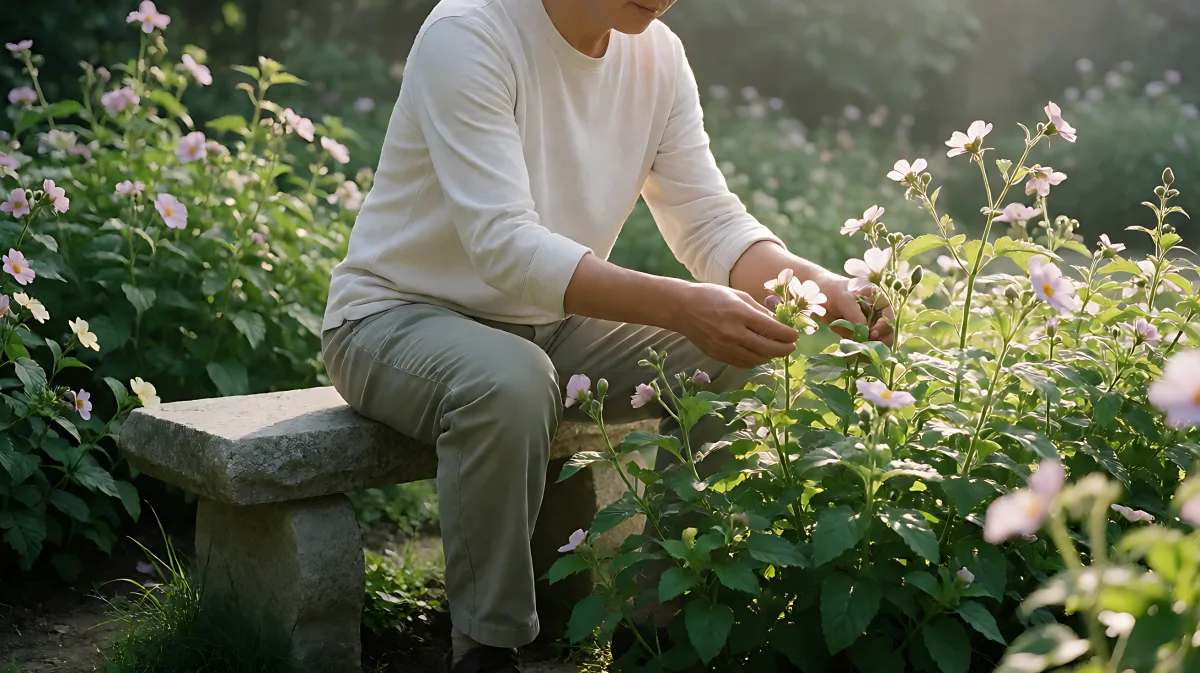
Grief gardening uses the act of planting and caring for living things to help process loss. By engaging the senses in outdoor spaces, people can lower stress levels, improve mood, and create personal tributes that support long-term emotional recovery.
Grief gardening is a therapeutic practice where individuals use planting and outdoor care to manage bereavement symptoms. By engaging in sensory activities like soil work and plant tending, people can lower cortisol levels and find emotional stability. This method offers a structured outlet for processing loss while fostering a connection to the living world through the cycle of growth.
What is grief gardening and why is it effective?
Grief gardening refers to the intentional use of horticultural activities to support mental health during and after a loss. It is not about becoming a professional botanist, but rather about using the garden as a tool for coping. The physical act of moving, bending, and creating brings a person into the present moment, which can interrupt the repetitive negative thought patterns often associated with depression and anxiety. Research indicates that spending up to 60 minutes a day in a garden can significantly decrease the stress hormone cortisol and reduce blood pressure. For those who have lost a loved one, this physical engagement can be a crucial step in reclaiming a sense of control and purpose. The practice acknowledges that grief does not disappear but can be managed through healthy, grounding activities that connect the mind to nature.
How does outdoor activity lower stress levels?
The connection between green spaces and mental well-being is well-documented in recent health studies. When a person focuses on an external task like pruning a hedge or watering seeds, the brain shifts from ruminating on past events to engaging with the current sensory experience. A study highlighted by science focus media found that individuals who garden regularly have stress levels that are approximately 4.2 percent lower than those who do not garden at all. This reduction in physiological stress is vital for those dealing with the intense emotional toll of bereavement. The natural environment also provides a calming backdrop that helps regulate the nervous system. Unlike indoor spaces that may hold painful memories associated with the deceased, a garden offers a new, changing environment where every season brings different colors and textures, symbolizing the ongoing process of life and adaptation.
What role does soil biology play in mood?
Interestingly, the physical medium of gardening itself has biological benefits. Soil contains specific bacteria that have been shown to stimulate the production of serotonin in the brain. Serotonin is a key neurotransmitter that stabilizes mood and promotes feelings of contentment. The National Health Service in the UK has increasingly referred patients with depression to community gardening programs, recognizing the dual benefit of physical exercise and natural exposure. This biological link means that simply handling earth and planting seeds can have a direct, measurable impact on the neurochemistry associated with happiness and calmness. It transforms the garden from a simple hobby into a potent tool for mental health recovery.
How to design a memorial garden at home
Creating a dedicated space to honor a lost loved one can provide a tangible focus for grief. This does not require a large plot of land. A designated corner of a backyard, a windowsill with specific potted plants, or even a small balcony space can serve as a personal shrine. The key is intentionality. Choose plants that held special meaning to the person you lost, such as their favorite flowers or the vegetables they enjoyed growing. For example, white orchids often symbolize innocence, while yellow roses can represent friendship. Incorporating these elements creates a daily reminder of the connection you shared. You can also add functional elements like a comfortable bench for reflection, a pergola for shade, or a small water feature for the soothing sound of moving water. These accessories make the space inviting and encourage you to spend time there rather than avoiding it.
What are the social benefits of gardening together?
Grief can lead to severe social isolation, making the loss feel even heavier. Gardening offers a natural excuse to reconnect with friends, family, or community groups. Volunteering in local community gardens allows bereaved individuals to meet others who share their interest in horticulture, providing a supportive social network without the pressure of formal socializing. Working side-by-side on a project can be less intimidating than face-to-face conversation, allowing relationships to deepen organically. This social aspect counters the loneliness that often accompanies bereavement, reminding the individual that they are not alone in their journey. Many organizations in both the US and UK support community gardening initiatives specifically designed for those experiencing trauma or loss, ensuring that social support is integrated into the therapeutic process.
How to start grief gardening if you have no experience?
You do not need to be a "green thumb" to benefit from this practice. Start with simple, low-maintenance plants that offer quick visual rewards, such as herbs like basil or mint, or easy annual flowers like marigolds. The goal is not to create a perfect landscape but to engage with the process of care. Establish a routine, perhaps checking on your plants each morning or evening. This structure provides a sense of normalcy and responsibility, which can be grounding when life feels chaotic due to grief. If outdoor space is not an option, indoor gardening with a few potted plants on a windowsill is a perfectly valid alternative. The act of watering, pruning, and observing growth is the core therapeutic element, regardless of the scale of the garden. Be patient with yourself, as with the plants. Growth takes time, and healing is not a linear path.
FAQ
Is grief gardening suitable for children?
Yes, adapted versions of grief gardening can be highly effective for children. A book titled "Healing the Bereaved Child" explores this specific demographic, suggesting that caregivers can use simple planting activities to help children understand the concepts of life, death, and growth. Keeping the activities age-appropriate and focusing on the sensory experience helps young people process their emotions in a safe, structured way.
Can I do grief gardening indoors?
Absolutely. The benefits of gardening are linked to the act of caring for living things and the sensory experience of soil and plants, not just the outdoor setting. A windowsill garden with herbs or small succulents can provide the same mental health benefits, including reduced stress and a sense of accomplishment, making it a viable option for those without access to outdoor spaces.
How much time do I need to spend gardening?
Research suggests that as little as 15 to 20 minutes a day can yield significant mental health benefits, with up to 60 minutes being optimal for stress reduction. Consistency is more important than duration. Even a brief, daily interaction with your plants can help ground your emotions and provide a positive anchor in your day.
What if I don't enjoy gardening?
If traditional gardening does not appeal to you, you can still utilize the principles of "grief gardening" by focusing on other outdoor therapeutic activities. The core idea is using nature and physical activity to cope with loss. This could involve walking in a park, yoga in a garden setting, or simply sitting in a green space to breathe. The specific activity is less important than the intention to engage with nature for healing.