Grab Bar Installation Weight Limits Explained
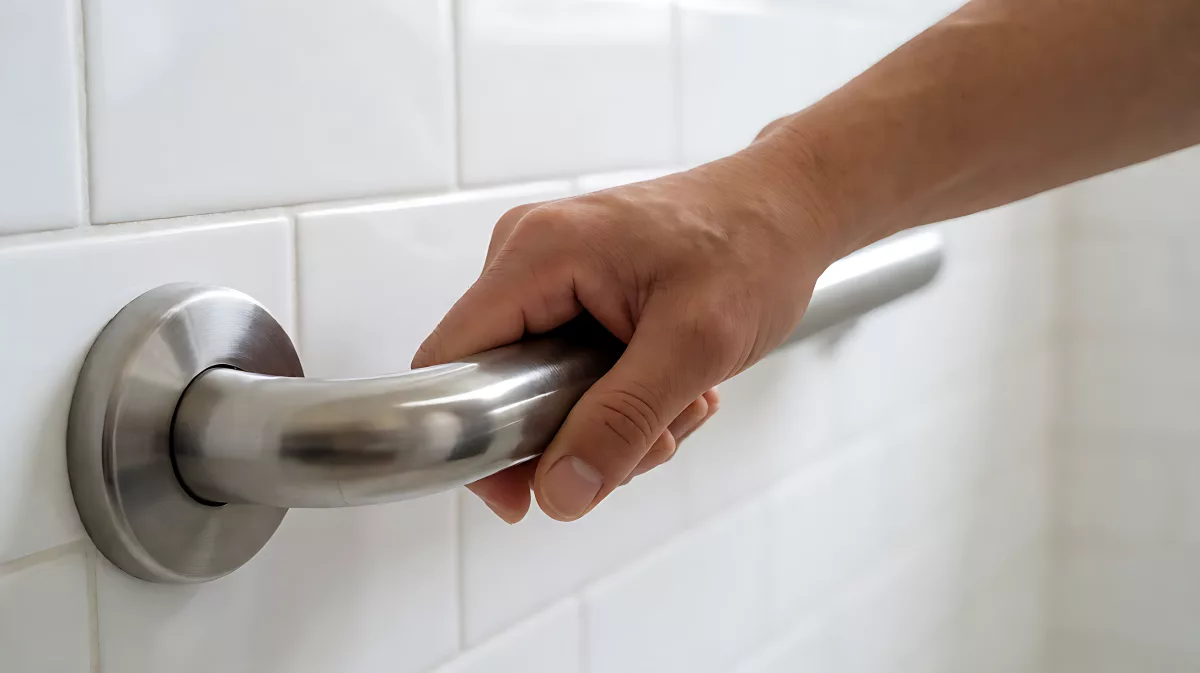
Learn the standard weight capacity of grab bars, why installation matters more than the bar itself, and how to choose a safe model for your home.
Standard grab bars typically support up to 300 pounds, while heavy-duty models can handle up to 500 pounds. The actual load-bearing capacity depends less on the metal tube and more on how securely the anchors are fastened into the wall studs. For maximum safety, ensure the installation is performed by a professional who can verify the structural integrity of the mounting location.
What Is the Standard Weight Capacity of a Grab Bar?
Most commercially available grab bars in the United States are engineered to hold at least 250 to 300 pounds. This standard aligns with general safety guidelines for residential bathroom safety. However, if you are looking for a solution that accommodates heavier individuals or allows for multiple people to hold the bar simultaneously, you will need to look for heavy-duty options.
Specialized manufacturers like The Grab Bar Specialist offer bars specifically designed to hold up to 500 pounds. These models are often used in healthcare settings, such as rehab centers and hospitals, where the likelihood of a full-body weight impact is higher. When shopping for a heavy-duty bar, look for explicit weight ratings on the product packaging or manufacturer’s website. Do not assume that a thicker tube automatically means a higher capacity; the internal reinforcement and mounting hardware are equally critical.
Why Does Installation Matter More Than the Bar Itself?
A grab bar is only as strong as its weakest link, and in most cases, that link is the anchor points. A high-quality stainless steel tube can easily support hundreds of pounds, but if it is mounted to drywall or an electrical box without proper backing, it will fail under significant weight.
The anchor placement is critical in allowing the bar to hold its rated weight capacity. Professionals look for wooden studs, which provide a solid nailing surface. If studs are not available in the desired location, special drywall anchors designed for heavy loads must be used. Even then, the capacity is reduced compared to stud mounting. This is why certified aging-in-place specialists strongly recommend professional installation. An amateur might screw the bar into the wrong location, creating a false sense of security that could lead to injury during a fall.
How Do I Choose the Right Grab Bar for My Home?
Selecting the right grab bar involves balancing weight capacity, aesthetics, and placement. Here are the key factors to consider when making your purchase:
- Material and Finish: Stainless steel is the industry standard for durability and rust resistance. It is often available in satin or polished finishes. Designer options in brushed nickel or black are available for those who want to blend the safety feature with their bathroom decor. According to Mr. Grab Bar, these designer bars maintain the same structural integrity as standard medical-grade bars.
- Length and Diameter: Grab bars are commonly available in lengths ranging from 12 inches to 48 inches. A 1.5-inch diameter is standard, providing a comfortable grip for most hand sizes. Ensure the length fits the specific area you are measuring without interfering with door swings or other fixtures.
- ADA Compliance: The Americans with Disabilities Act (ADA) sets specific guidelines for grab bar installation. They must be installed at a height between 33 and 36 inches above the floor and must be secure. For commercial buildings, strict adherence to these rules is required, but many homeowners adopt these standards for their private residences to ensure maximum accessibility.
Where Should Grab Bars Be Placed?
Placement is as important as the hardware itself. The most common and recommended locations for grab bars are in the tub or shower and next to the toilet.
In the Shower or Tub
Installing one or two bars in the shower area provides added safety by preventing slips and falls on slippery surfaces. A vertical bar helps with stepping over the tub edge or standing up from a seated position, while a horizontal bar provides stability while turning on the faucet or exiting. Active Homes, a specialist in aging-in-place modifications, often installs bars to replace existing towel bars that were never designed to hold body weight.
Next to the Toilet
Falls in the bathroom frequently occur when users lose their balance while standing up from the toilet. A grab bar installed near the toilet reduces the risk of these accidents and promotes confidence in daily activities. It allows users to steady themselves before moving, significantly lowering the chance of a fall.
Hallways and Stairs
For homes with multiple levels, grab bars can be installed in hallways and at the top landing of staircases. This is particularly useful for residents who have difficulty navigating vertical changes. Outdoor grab bars can also be installed near garage doors or entry steps to aid in mobility and prevent falls in these transition areas.
How Much Does Professional Installation Cost?
The cost of installing grab bars varies based on the number of bars, the complexity of the installation, and the region. DIY kits can be found for as little as $25 to $100, but this requires proper tools and knowledge of your home’s wall structure. Professional installation typically ranges from $100 to $300 per bar, including the hardware. Some companies offer one-day services, such as The Grab Bar Specialist in Utah, which can save on labor costs by combining multiple installations in a single visit.
It is also worth noting that organizations like Caring Senior Service and its non-profit arm, Close the Gap in Senior Care, sometimes provide free or low-cost installations for seniors on fixed incomes. These partnerships with home service franchises like TruBlue allow nominees to receive up to two grab bars installed for free in their bathrooms.
Are There Specific Codes for Commercial Buildings?
Yes, commercial facilities, including public restrooms and accessible entrances, must strictly adhere to ADA standards. The grab bars must have a clear space between the front of the bar and the wall, usually no more than 1.5 inches, to allow for a firm grasp. The diameter of the bar must also be between 1.25 and 1.5 inches. While these codes are mandatory for businesses, adopting them in your home ensures that the installation meets the highest safety and usability standards.
How often should I check my grab bar for looseness?
You should check the security of your grab bars every six months. Gently push on the bar to see if it wobbles or if the screws are loose. If you notice any movement, tighten the screws immediately or have a professional re-inspect the mounting. A loose bar is worse than no bar because it may give way unexpectedly.
Can I install a grab bar over a window or curtain rod?
No, you should not install a grab bar that interferes with the operation of windows, curtains, or other moving parts. The clear space around the bar is essential for a secure grip and to prevent the user from getting caught on obstructions during an emergency. Ensure the bar is in an open, unobstructed area of the wall.
Does the wall material affect the weight limit?
Yes, the wall material significantly affects the weight limit. Studs (wooden or metal) can support the full rated capacity of the bar (often 500 lbs). Drywall alone, even with heavy-duty anchors, has a lower safe load limit, often closer to 300 lbs. Brick or concrete walls require special masonry anchors to achieve the same stability. Always verify the backing material before installing.