Gout Diet & Treatment Guide for Seniors (2025)
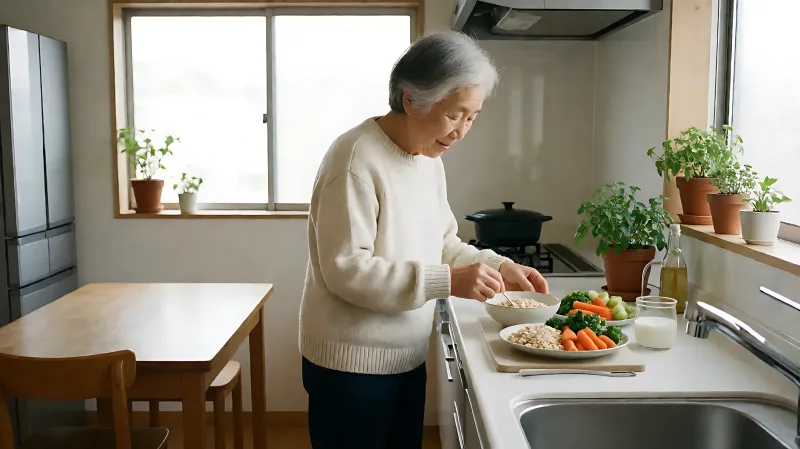
Gout affects millions of older adults. This guide explains how dietary changes and medical treatment can reduce flare frequency and protect joint health.
For seniors, gout management requires a balanced approach of diet and medication. Lowering uric acid levels through low-purine foods and increasing water intake can reduce flare frequency. Consistent medical treatment is essential to prevent permanent joint damage and kidney issues.
For more information, see MedlinePlus medical encyclopedia from the National Library of Medicine.
Why Gout Affects Seniors Differently
Gout is a form of inflammatory arthritis caused by uric acid crystals forming in the joints. As people age, the kidneys become less efficient at filtering waste. The CDC notes that gout risk increases significantly in adults over 65. Men are more frequently affected before age 65, but the gap narrows in older age groups because women's risk rises after menopause. Many seniors also take medications for blood pressure or heart conditions that can interfere with uric acid removal, making dietary control even more critical.
What Diet Helps Lower Uric Acid?
Food choices directly influence uric acid levels. Purines are compounds found in certain foods; when broken down, they produce uric acid. The National Kidney Foundation recommends focusing on low-purine options to keep levels manageable.
Best Foods for Gout Management
- Low-Fat Dairy: Milk and yogurt may help the kidneys excrete more uric acid. Studies suggest they can lower gout risk in men.
- Cherries: Some research indicates that anthocyanins in cherries may have anti-inflammatory properties that help reduce uric acid.
- Vegetables: While spinach and cauliflower contain purines, the American College of Rheumatology indicates that vegetable purines do not increase gout risk as much as animal purines.
- Vitamin C: The NIH suggests that vitamin C-rich foods may aid in uric acid clearance. Oranges, strawberries, and bell peppers are excellent sources.
- Complex Carbohydrates: Oats, whole grains, and fruits are generally safe and support overall metabolic health.
Foods to Limit or Avoid
- Organ Meats: Liver, kidney, and heart are among the most purine-rich foods and should be avoided during flares.
- Red Meat and Game: Limit beef, pork, and venison. Opt for poultry or plant-based proteins instead.
- Shellfish: Crab, lobster, and shrimp are high in purines and can trigger attacks.
- Alcohol: Alcohol increases uric acid production and inhibits its removal. Beer and spirits are particularly risky. It is best to avoid alcohol during a flare and limit intake otherwise.
- Sugary Drinks: High-fructose corn syrup raises uric acid levels. Replace sodas with water or sparkling water.
How Does Medication Treat Gout?
Diet alone is rarely enough for chronic gout. The American College of Rheumatology recommends a two-pronged medication strategy: treating the pain of the acute attack and lowering long-term uric acid levels to prevent future flares.
Treating Acute Flares
Flares are painful and require quick action. Nonsteroidal anti-inflammatory drugs (NSAIDs) like ibuprofen or naproxen are common first-line treatments. However, seniors must consult a doctor before using these, as they can affect kidney function. Corticosteroids or colchicine are also options, but colchicine requires careful dosing in older adults due to potential interactions with other medications.
Long-Term Urate Lowering
For prevention, doctors may prescribe xanthine oxidase inhibitors like allopurinol or febuxostat. These drugs stop the body from making too much uric acid. Probenecid is another option that helps kidneys clear uric acid. It is vital to start these medications at low doses to avoid triggering a flare during the first few weeks. Blood tests should monitor uric acid levels to ensure they stay below 6 milligrams per deciliter.
What Lifestyle Changes Prevent Flares?
Beyond diet and medication, daily habits play a major role. Maintaining a healthy weight reduces stress on joints and improves uric acid handling. The National Institute of Arthritis and Musculoskeletal and Skin Diseases emphasizes that weight loss can lower uric acid levels, but rapid dieting should be avoided as it can temporarily raise uric acid.
Hydration and Temperature
Drinking enough water helps flush uric acid through the kidneys. Aim for 8 to 10 glasses of water daily unless a doctor advises otherwise. Keeping the body warm also helps, as cold temperatures can cause uric acid crystals to form more easily in extremities. Wearing warm socks and gloves in winter may offer comfort.
How Do I Know if It Is Gout or Pseudogout?
Seniors often experience pseudogout, which looks similar but is caused by calcium pyrophosphate crystals. Gout typically affects the big toe, while pseudogout often affects the knee. Only a doctor can distinguish them through joint fluid analysis. Misdiagnosis can lead to ineffective treatment, so accurate testing is key.
When Should I See a Doctor?
Seek medical attention if a flare lasts more than a week, if you develop a fever alongside joint pain, or if you experience multiple flares in a short time. Regular checkups are also important to monitor kidney function and adjust medication dosages.
FAQ About Gout in Seniors
Can I eat eggs during a gout flare?
Yes. Eggs are low in purines and generally safe for people with gout. They are a good source of protein that does not significantly raise uric acid levels.
Does coffee increase the risk of gout?
No. Research from the American Journal of Clinical Nutrition suggests that coffee consumption may actually lower uric acid levels and reduce gout risk. However, it is important to avoid adding sugar or heavy cream.
How fast does uric acid lower after changing diet?
Dietary changes take weeks to months to show significant results in blood tests. Acute flares require medication for immediate relief. Do not stop prescription drugs when eating well, as diet supplements but does not replace medical treatment.
Are supplements like omega-3s helpful?
Omega-3 fatty acids may help reduce general inflammation, but they are not a specific cure for gout. Discuss any supplement use with your healthcare provider to avoid interactions with your existing medications.
What is the safest pain reliever for seniors with gout?
This depends on individual health history. NSAIDs are effective but can harm kidneys. Acetaminophen relieves pain but does not reduce inflammation. Colchicine is specific to gout but has a narrow safety window in older adults. Always follow a doctor's prescription.