Top Garden Design Ideas and Trends for 2026
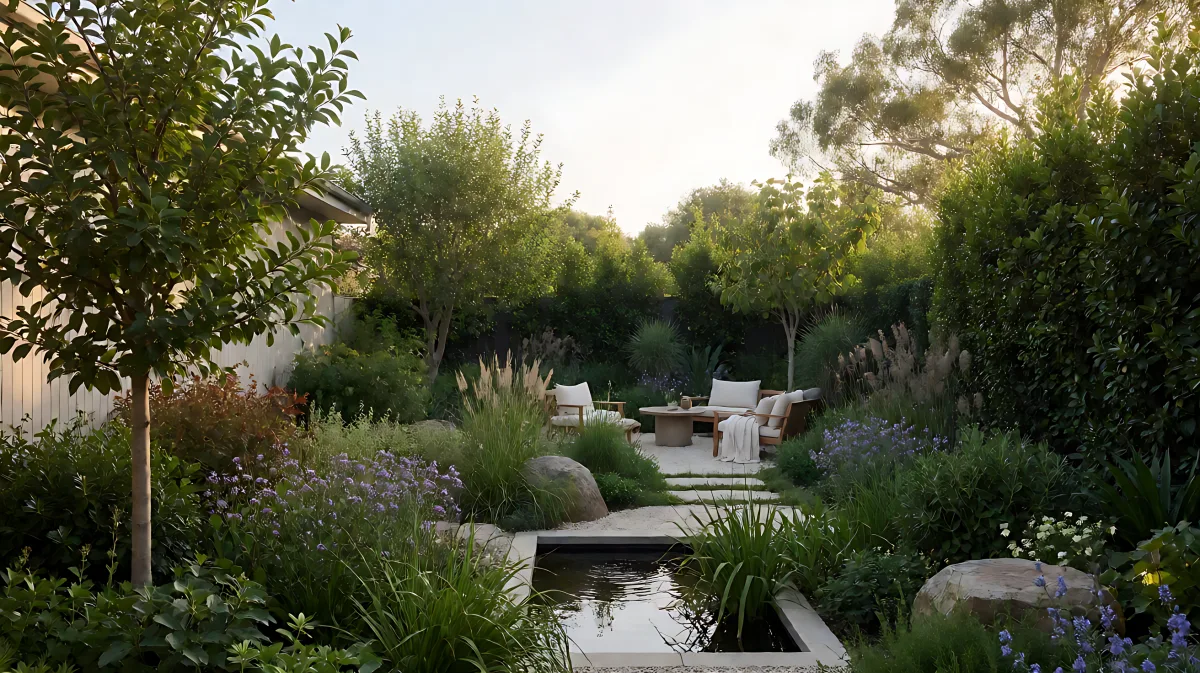
From eco-friendly habitats to sophisticated small-space designs, explore the top gardening trends and creative ideas transforming outdoor spaces in 2026.
A modern garden is a purposeful outdoor space designed for relaxation, food production, or aesthetic beauty. In 2026, top trends focus on eco-friendly habitats, efficient small-space solutions, and integrating technology with natural landscapes to create sustainable and visually stunning environments.
What are the key garden design trends for 2026?
Gardening in 2026 is moving away from rigid formalism toward flexible, nature-integrated designs. Landscape architects and home gardeners are prioritizing biodiversity and low-maintenance systems. One of the most significant shifts is the rise of meadow gardens, which mimic natural ecosystems using native grasses and wildflowers. These spaces require less water and support local pollinators, aligning with the broader eco-friendly movement. Additionally, vertical gardening is gaining popularity in urban areas where ground space is limited. Green walls and container stacks allow residents in cities like Los Angeles and New York to grow food and ornamental plants on fences, balconies, and even building facades.
How can you create an eco-friendly garden?
Sustainability is central to modern gardening. To support pollinators, gardeners are planting more bee and butterfly-friendly flora. Organizations like the National Wildlife Federation recommend specific native plants that provide nectar and habitat throughout the seasons. Water conservation is also critical; using drought-tolerant plants and installing efficient irrigation systems helps reduce water usage. Many homeowners are replacing lawns with dry gardens or ground cover, which reduces maintenance and supports soil health. Composting and mulching are standard practices for reducing waste and retaining moisture, making the garden more resilient to climate fluctuations.
What are the best ideas for small garden spaces?
Small spaces do not limit creativity; they demand smart design. In 2026, the focus is on maximizing vertical space and defining zones for specific activities. A small urban balcony can become a productive vegetable patch using modular raised beds or hanging planters. For homeowners with narrow side yards, creating distinct "rooms" with plantings and hardscaping can make the space feel larger and more functional. Shade-tolerant plants like ferns, hostas, and shade-loved perennials are essential for areas with limited sunlight. Container gardening remains a top choice, allowing for easy mobility and soil management. Choosing the right containers with adequate drainage is key to plant health.
How do you maximize a balcony or patio?
Turn your outdoor living area into a functional hub. Install wall-mounted planters for herbs and succulents. Use lightweight, weather-resistant furniture that can be stored indoors. Incorporate privacy screens with climbing vines for seclusion. Add small string lights or solar-powered lamps for ambiance in the evenings. A small fire pit or heater can extend the usability of your patio into the cooler months.
Which garden styles are popular in 2026?
Style preferences in 2026 blend tradition with modern minimalism. The cottage garden style, with its relaxed mix of flowers, herbs, and vegetables, continues to appeal for its charm and productivity. In contrast, contemporary gardens favor clean lines, architectural plants, and structured layouts. Japanese-inspired gardens offer tranquility through raked gravel, stone, and careful pruning, reflecting a desire for meditation and calm. For those in dry climates, xeriscaping with succulents and ornamental grasses is both stylish and practical. Many homeowners are also experimenting with sensory gardens, planting fragrant roses, lavender, and textured foliage to engage multiple senses.
How can you incorporate water features effectively?
Water adds sound and visual interest to any garden. A small pond can attract frogs and dragonflies, supporting local wildlife. Fountains provide a soothing backdrop and can mask city noise. Ensure any water feature is easy to maintain and safe for children and pets. In 2026, natural pools and reed beds that filter water organically are becoming more popular as a low-maintenance alternative to chemical-treated ponds.
Where can you find inspiration for garden projects?
Visiting public botanical gardens is one of the best ways to find ideas. The Brooklyn Botanic Garden in New York and The Huntington Library in Los Angeles offer diverse collections and themed landscapes that inspire homeowners. These institutions often host workshops and talks on landscape design and plant care. Online communities and social media platforms also provide vast resources for photos and step-by-step guides. Engaging with local garden clubs can offer personalized advice suited to your specific climate zone.
What are the top tips for beginners?
- Start Small: Begin with a manageable area, like a single bed or container, to build confidence.
- Know Your Zone: Understand your plant hardiness zone to select plants that will thrive in your climate.
- Improve Soil: Test your soil and amend it with compost to ensure healthy plant growth.
- Plan Ahead: Sketch a layout to plan plant spacing, light requirements, and water needs.
- Observe: Spend time watching your garden to see which plants perform best in your specific conditions.
Frequently Asked Questions
What is the difference between a garden and a landscape?
A garden typically refers to a planned space for cultivating and enjoying plants, often with a decorative or food-producing purpose. Landscape design is a broader discipline that encompasses the planning of all outdoor spaces, including hardscaping, drainage, and building integration, often working on a larger scale.
How much does it cost to design a garden?
Costs vary widely. A DIY project may only require the price of plants and tools, while hiring a professional landscape architect can range from a few hundred to several thousand dollars for design services, plus construction costs. In 2026, modular and pre-fabricated garden kits have made professional-grade design more affordable for homeowners.
What plants are best for attracting pollinators?
Native flowers such as coneflower, black-eyed susans, and bee balm are excellent choices. Avoid treated seeds or plants with heavy pesticide residue. Planting in clusters rather than single rows helps pollinators find nectar more easily.
Can you grow vegetables in a shaded garden?
Yes, many vegetables tolerate partial shade. Leafy greens like spinach, lettuce, and kale do well in low light. Herbs such as mint and parsley are also shade-tolerant. Adjust watering habits, as shaded areas hold moisture longer, to prevent root rot.