Guide to Garden Styles, Design, and Care
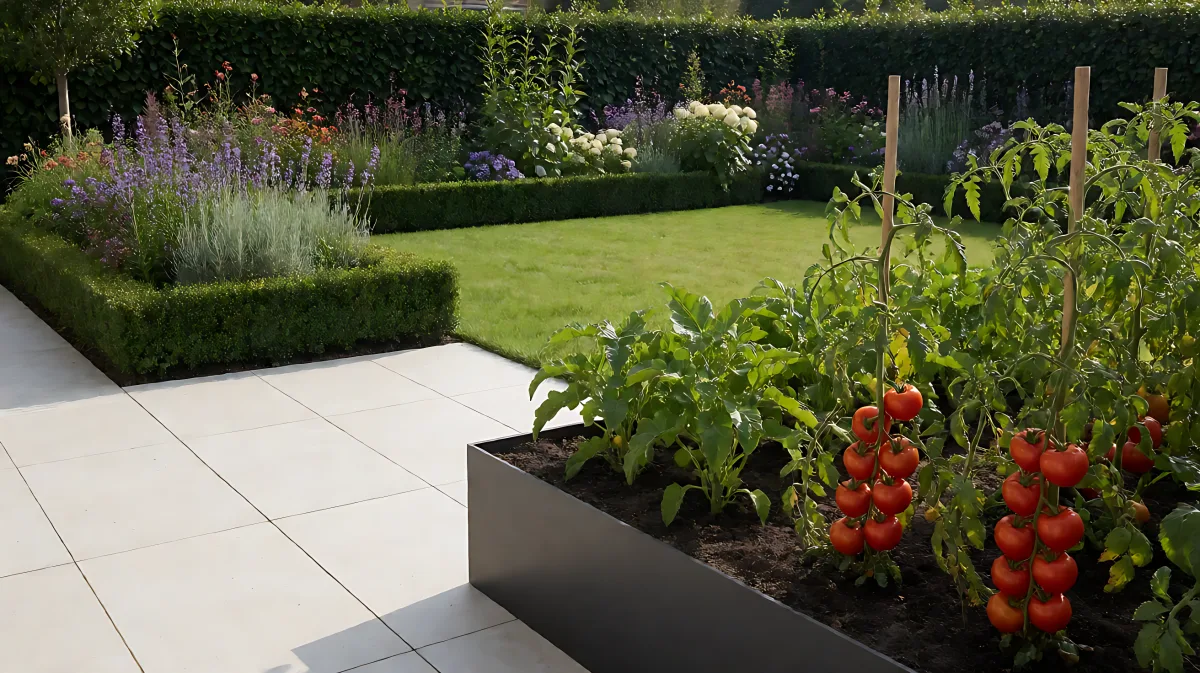
Discover how to plan, design, and maintain a garden. From historical styles to modern eco-friendly trends, find practical advice for creating a thriving outdoor space.
A garden is a deliberately planned outdoor space dedicated to the cultivation, display, and enjoyment of plants and natural elements. It differs from wild areas by its level of human control and design intent. Whether you are a beginner or an experienced horticulturist, understanding the basics of layout, plant selection, and maintenance allows you to transform any yard into a functional and aesthetic sanctuary that supports both personal wellbeing and local biodiversity.
What defines a modern garden in 2026?
While the word "garden" historically implies an enclosed space, contemporary usage has broadened significantly. Today, a garden is defined more by its purpose and design intent than by its boundaries. The American Horticultural Society and various landscape architecture bodies emphasize that modern gardens often blend ornamental beauty with food production. This shift is part of a broader cultural trend toward self-sufficiency and connection to nature, where space is optimized for both relaxation and utility.
How does a garden differ from a farm?
The distinction lies in scale, labor intensity, and primary objective. Farms are designed for commercial agricultural production, utilizing mechanized tools and large land parcels. Gardens, conversely, are smaller in scale, often labor-intensive, and serve recreational, aesthetic, or subsistence purposes. A market garden, which produces crops for sale, bridges these two categories but remains distinct from the large-scale industrial farms that dominate modern food systems.
What are the key styles of garden design?
Choosing a style is the first step in planning your outdoor space. Design trends for the current year continue to emphasize sustainability and sensory engagement. According to the International Federation of Landscape Architects, the most popular styles remain rooted in specific historical traditions, though they are increasingly adapted for modern living.
Which traditional styles are popular in the UK and US?
- English Landscape Garden: Characterized by rolling lawns, naturalistic plantings, and a lack of rigid geometric lines. This style, which evolved significantly in the eighteenth century, focuses on the picturesque and the flow of the landscape.
- Cottage Garden: Known for dense, informal plantings of flowers, herbs, and vegetables. This style is popular in both the US and the UK for its charm and high productivity, often featuring boundary hedges and stone walls.
- Zen or Rock Garden: Originating from Japan, this style uses plants sparsely, if at all. It focuses on rocks, gravel, and sand to create a space for quiet contemplation and minimalism. These designs are highly effective in small urban spaces where maintenance needs to be low.
What is a sensory garden?
A sensory garden is designed to engage multiple senses beyond just sight. This includes plants with strong fragrances like lavender and roses, textures from grasses and ferns, and sounds from water features or rustling leaves. Organizations such as the American Public Gardens Alliance frequently advocate for sensory design in public spaces to enhance accessibility and emotional well-being for visitors of all ages.
How do you plan a functional garden layout?
Effective garden planning requires an assessment of your specific site conditions. Before planting, you must consider sunlight exposure, soil quality, and drainage. The Royal Horticultural Society recommends conducting a soil test before purchasing plants, as this determines which crops and perennials will thrive without excessive chemical intervention.
What are the benefits of vertical gardening?
As urban properties shrink, vertical gardening has become a crucial strategy. This technique involves growing plants up walls, trellises, and pergolas rather than on the ground. It maximizes limited space and is ideal for climbing vegetables like beans and cucumbers, or ornamental vines like clematis. Vertical structures also provide architectural interest and can create shade for lower-growing plants during the hot summer months.
How can you design for food production?
Edible landscaping integrates food plants into ornamental beds. Instead of separating the vegetable patch from the rest of the garden, you mix herbs, salad greens, and even small fruit trees with flowers. This creates a productive and attractive landscape that reduces the need for shopping trips. Raised beds are a popular method for controlling soil conditions and reducing weeding, making them accessible for gardeners with mobility issues.
What are the principles of eco-friendly gardening?
Sustainability is a core principle in modern horticulture. The goal is to create a garden that supports local ecosystems rather than depleting them. This involves selecting native plants, which provide essential food and habitat for local pollinators such as bees, butterflies, and birds.
How do you attract wildlife to your garden?
Creating wildlife-friendly habitats involves planting a variety of species that flower at different times of the year to ensure a consistent food source for pollinators. The National Wildlife Federation suggests including water sources, such as a shallow pond or birdbath, to support local fauna. Avoiding the use of synthetic pesticides and herbicides is also critical, as these chemicals harm beneficial insects and disrupt the natural balance of the garden ecosystem.
What is a meadow garden?
Meadow gardens mimic natural grasslands by combining ornamental grasses with wildflowers. This style is low-maintenance, requiring only one or two cuts per year. It provides excellent habitat for ground-nesting bees and other invertebrates. Designers are increasingly using meadow principles in both private and public spaces to reduce mowing frequency and lower carbon footprints associated with garden maintenance.
What are common gardening challenges and solutions?
Even with careful planning, gardeners face issues such as pests, diseases, and seasonal extremes. Understanding the biology of your plants helps in diagnosing problems early.
How do you manage water usage efficiently?
Water-wise gardening, or xeriscaping, involves designing a landscape that requires minimal irrigation. This includes selecting drought-tolerant plants, using mulch to retain soil moisture, and grouping plants by their water needs (hydrozoning). In 2026, many municipalities are offering rebates for installing rainwater harvesting systems, which allow gardeners to collect and store rainwater for irrigation during dry spells.
What should you do with a shady area?
Shade does not mean a dead spot. It requires selecting shade-tolerant plants such as ferns, hostas, and asters. The key is to observe the type of shade: open shade (bright but no direct sun) supports a wider range of plants than dense shade under large trees. Improving soil drainage and adding organic matter can also help shade-garden plants establish strong root systems.
When should you prune your plants?
Pruning timing depends on the plant type. Most deciduous shrubs are pruned in late winter or early spring before new growth begins. Spring-flowering shrubs like hydrangeas should be pruned after they bloom in summer. Over-pruning can stress a plant, so it is best to remove only the necessary amount of wood to maintain shape and health.
How much does professional garden design cost?
The cost of landscaping varies widely based on complexity and location. In the UK, professional garden design services can range from £500 for a simple consultation to over £15,000 for a full design and planting plan. In the US, costs depend heavily on the region and the square footage of the project. Hiring a landscape architect, a regulated profession, is recommended for complex projects involving hardscaping, structural changes, or significant drainage issues.
Do you need a permit for garden changes?
Generally, planting trees and shrubs does not require a permit. However, constructing walls, patios, or water features might. Always check with your local planning department or building authority before starting major construction projects. This ensures compliance with local zoning laws and property boundary regulations.
What is the role of landscape architects?
Landscape architects are professionals who plan outdoor spaces to be environmentally, economically, and culturally appropriate. They work on projects ranging from small residential gardens to large public parks. They use principles of design, engineering, and ecology to solve problems such as erosion, stormwater management, and community space needs.
How do you maintain a healthy garden year-round?
Maintenance is an ongoing process. In spring, focus on feeding plants and starting seedlings. In summer, water deeply and deadhead flowers to encourage more blooms. In autumn, clean up dead leaves to prevent disease and mulch perennials for winter protection. In winter, use the time to plan the next year’s layout and repair garden tools. Regular observation is key to catching problems early.