Modern Cleaning Methods and Industry Trends for 2026
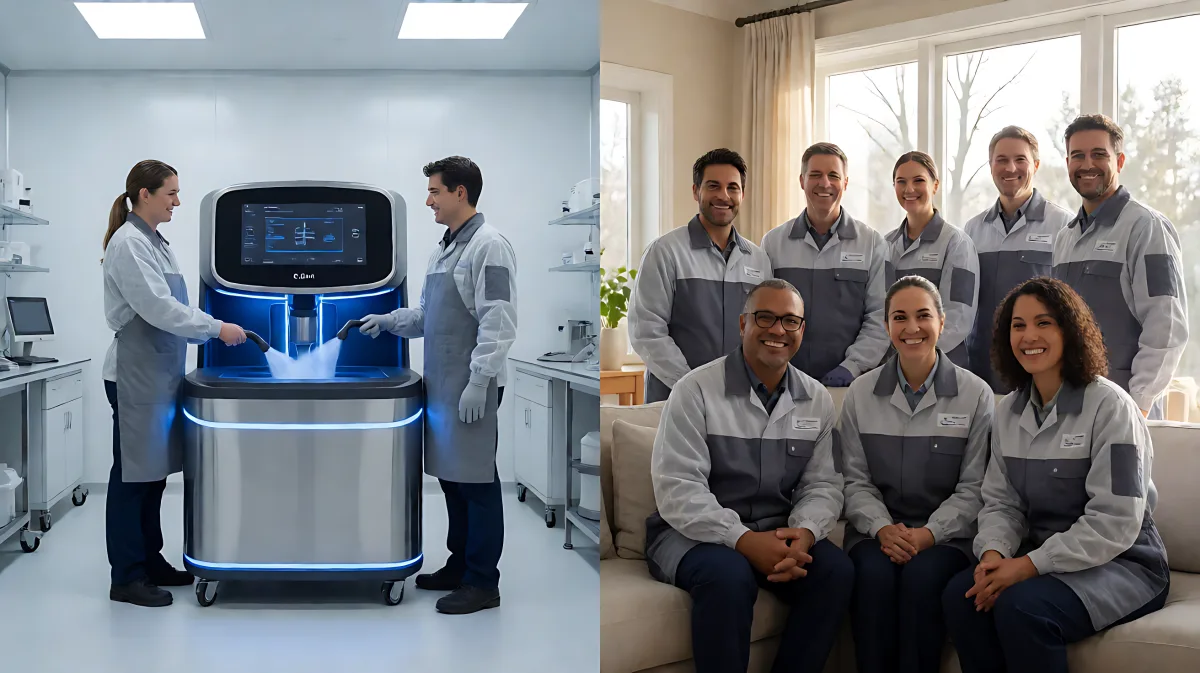
From ultrasonic tech in aerospace to free home support for cancer patients, the 2026 cleaning landscape blends high-tech innovation with deep human impact.
The cleaning industry in 2026 is a diverse sector that spans high-tech aerospace maintenance, domestic hygiene services, and significant social welfare initiatives. It serves purposes ranging from strict environmental safety standards to charitable support for vulnerable populations.
What defines the modern cleaning industry in 2026?
Cleaning is fundamentally the process of removing unwanted substances like dirt, dust, and impurities from objects, people, and environments. In 2026, this definition has expanded far beyond simple domestic chores. The sector is now a complex global enterprise driven by technological innovation and social responsibility. Experts from various institutions note that the industry serves multiple critical functions, including maintaining aesthetic standards, ensuring public health, and facilitating environmental protection. It is no longer just about making a surface sparkle; it is about managing complex biological and chemical challenges at a microscopic and industrial scale.
How has technology transformed cleaning methods?
Advanced technologies have revolutionized how we approach sanitation. In the aerospace and electronics sectors, ultrasonic cleaning uses sound waves to shake particulates loose from sensitive components. A gentler version, known as megasonic cleaning, is specifically used for semiconductor wafers and medical implants to ensure sterility without causing damage. Additionally, carbon dioxide snow cleaning allows for the removal of contaminants from delicate equipment without leaving chemical residues. These methods represent a significant shift from traditional chemical solvents, aligning with the growing demand for green and environmentally friendly cleaning practices in 2026.
Why is the human side of cleaning often overlooked?
The physical and emotional labor involved in cleaning, particularly in domestic and care sectors, has long been underappreciated. Researchers highlight the concept of the global care chain, where women from lower-income economies migrate to wealthier nations to provide essential care and cleaning services. This often means that when a caregiver moves abroad, their own family back home requires a new caregiver, creating a complex international network of dependence. In many Western countries, this work is frequently viewed as a social issue rather than an economic contribution, despite its critical role in supporting aging populations and dual-income households. The industry is now working to reframe these roles as skilled essential services that provide stability and health to families.
What role does the cleaning sector play in social welfare?
The intersection of cleaning and social support is vividly illustrated by organizations like Cleaning for a Reason. Founded in 2006, this non-profit has partnered with over 1,400 cleaning companies across the United States and Canada. By 2026, they have provided free home cleaning to more than 65,000 cancer patients and their families. This service is valued at over $23 million and provides a crucial sense of normalcy and control for individuals whose physical abilities are compromised by their illness. The organization partners with major industry bodies like the ISSA to raise funds through events such as charity golf tournaments and the annual Clean It Forward Challenge.
How is sustainability shaping future cleaning practices?
Environmental regulations and consumer preferences are driving a massive shift toward green cleaning in 2026. This movement involves the use of biodegradable agents and energy-efficient machinery to reduce the carbon footprint of sanitation. In industrial settings, flame cleaning and plasma cleaning are being refined to eliminate toxic byproducts. For domestic users, the trend is moving away from harsh chemical mixtures toward specialized, eco-friendly solutions that maintain efficacy while protecting indoor air quality. The global focus is on creating a circular economy where cleaning products are safer for both the user and the natural environment.
Frequently Asked Questions
What is the difference between ultrasonic and megasonic cleaning?
Ultrasonic cleaning uses frequencies typically between 20 and 400 kHz to agitate cleaning fluids. Megasonic cleaning operates at higher frequencies and is gentler, making it ideal for delicate items like computer wafers and medical implants where precision is required to avoid microscopic damage.
What is the global care chain in the cleaning sector?
The global care chain describes the international flow of care work, often involving women from the Global South migrating to the Global North for domestic and cleaning jobs. This creates a dependency where the migrant’s original family hires someone else to care for their loved ones, forming a continuous loop of paid and unpaid care work across borders.
How do charitable cleaning organizations operate in 2026?
Organizations like Cleaning for a Reason connect professional residential cleaning companies with individuals in need, such as cancer patients. These companies volunteer their services or donate a portion of their profits to fund these cleanings, which are overseen by the non-profit to ensure quality and safety for the recipient.