Cleaning Methods and Industry Trends
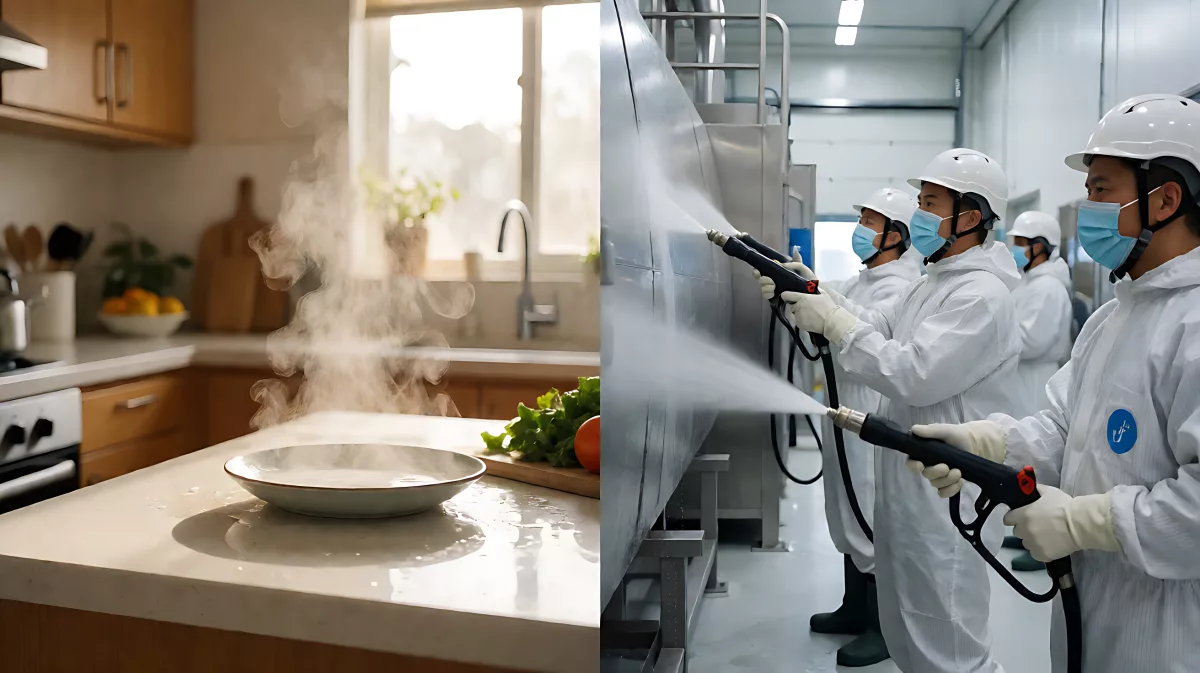
Cleaning is more than just tidying up; it is a critical process for health, safety, and aesthetics. This guide breaks down the diverse methods, from ultrasonic waves to carbon dioxide snow, and examines the global workforce dynamics driving the industry in 2026.
Cleaning is the fundamental process of removing unwanted substances, such as dirt, dust, and impurities, from objects or environments to ensure hygiene, safety, and functionality. In 2026, this activity spans personal grooming to massive industrial remediation projects, utilizing a mix of mechanical and chemical methods.
How Do Modern Cleaning Methods Work?
While traditional washing with water and soap remains the most common household practice, the cleaning industry has expanded significantly in recent years. Professional and industrial contexts now rely on specialized techniques to address specific contaminants. These methods often combine mechanical action with chemical processes, such as solvation, to achieve optimal results.
What Are the Leading Techniques Used in Industry?
- Ultrasonic and Megasonic Cleaning: Used primarily in electronics and medical device manufacturing, these methods use sound waves to shake particulates loose from sensitive surfaces. Megasonic cleaning is particularly valued for its gentleness on delicate components like wafers and medical implants.
- Carbon Dioxide Snow: This advanced method uses carbon dioxide in its various phases for parts cleaning and sterilization. It is highly effective in aerospace and precision manufacturing, capable of removing contaminants without leaving residue.
- Pressure Washing: High-pressure streams of water are widely used for exteriors and heavy-duty industrial surfaces, offering a fast and efficient way to remove bulk material.
- Dry and Wet Cleaning: While dry cleaning uses chemical solvents for textiles, wet cleaning methods have become more popular as a gentler, water-based alternative that avoids harsh chemicals.
Who Performs Cleaning and Why Is It Critical?
Cleaning is a specialized occupation that supports health and environmental protection across multiple sectors. The demand for these services has grown sharply, particularly in healthcare, commercial spaces, and domestic settings. According to data from the Institute of Sanitarians (ISSA), the industry continues to adapt to new hygiene standards and environmental regulations.
How Does Cleaning Impact Public Health and Safety?
Cleaning is integral to preventing the spread of pathogens. In healthcare settings, terminal cleaning ensures that rooms are free from biohazards after a patient's discharge. In domestic environments, regular cleaning reduces the risk of respiratory and skin infections. The rise of air quality concerns and stricter environmental protection mandates has also led to increased demand for professional environmental remediation services, which focus on removing pollution and contaminants from natural environments.
What Social Dynamics Drive the Global Cleaning Workforce?
The cleaning industry is deeply connected to global labor dynamics. Research indicates that the demand for domestic work has risen sharply, particularly in the global North, where aging populations and rising female labor participation have created shortages in care and household roles. This has driven significant migration patterns, where women from the global South often fill these roles in wealthier countries. While this provides essential physical and emotional labor, it also highlights the complex economic interdependencies between regions, often referred to as the "global care chain."
How Are Charitable Initiatives Supporting This Sector?
Beyond commercial services, the cleaning industry plays a vital role in community support. Organizations like "Cleaning for a Reason" have provided free home cleaning to cancer patients, helping them maintain a safe and comfortable environment during treatment. As of recent reports, such initiatives have donated over $23 million in services, supporting tens of thousands of families across the United States and Canada. These partnerships between cleaning companies and healthcare centers demonstrate the broader social impact of maintaining clean living spaces.
What Does the Future Hold for Cleaning Occupations?
Looking ahead, the future of cleaning is likely to be shaped by automation and sustainability. While manual labor remains central, the integration of robotic vacuums, automated commercial scrubbers, and eco-friendly biodegradable detergents is becoming standard. The focus is shifting from mere tidiness to comprehensive well-being, with clean environments recognized as a key component of public health infrastructure.
FAQ: Common Questions About Cleaning
What is the difference between cleaning and sanitation?
Cleaning is the physical removal of dirt and debris, whereas sanitation involves the use of chemicals or heat to reduce the number of harmful microorganisms to a safe level. Cleaning is a prerequisite for effective sanitation.
Are ultrasonic cleaners safe for all materials?
Not all materials are safe for ultrasonic cleaning. Delicate gems like opals or pearls can be damaged by the vibration. It is essential to check manufacturer guidelines before using this method on sensitive items.
How does carbon dioxide cleaning compare to traditional solvents?
Carbon dioxide cleaning is a dry process that leaves no residue and requires no drying time, unlike liquid solvents. It is often preferred for high-precision electronics and medical devices where moisture can cause damage or microbial growth.
Why is domestic cleaning a major global industry?
Domestic cleaning has become a major global industry due to changing social norms, such as increased female labor participation and urbanization. This has created a high demand for outsourced household services, driving significant economic activity in many countries.