Evacuation Plan for Older Adults: Medical ID & Ice Bag Tips
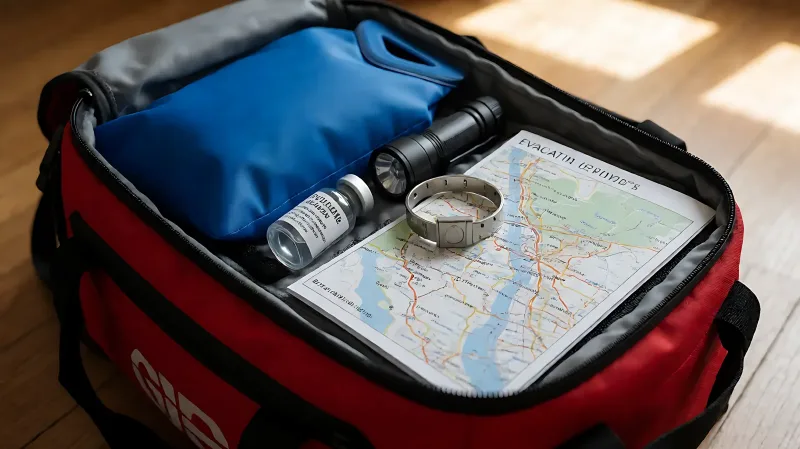
Older adults face unique risks during disasters. This guide details how to create a robust evacuation plan, including using an ice bag for refrigerated medications and selecting the right medical ID.
Older adults are significantly more vulnerable to health complications during disasters due to mobility issues and chronic conditions. To stay safe, every senior should maintain a 72-hour evacuation kit that includes an insulated ice bag for refrigerated medications and a medical ID bracelet with current health information. According to the National Institute on Aging, proactive planning can mean the difference between survival and severe injury when power or water outages strike without warning.
For more information, see Ready.gov emergency kit guidance from Ready.gov.
Why Are Older Adults More At Risk During Disasters?
Weather and climate disasters have increased sharply in recent years. The National Institute on Aging (NIA) notes that before 2026, the United States experienced extreme weather and climate events at rates triple the average number of events recorded 15 years earlier. Older adults often struggle to access resources quickly, manage temperature changes, or navigate crowded shelters. The Centers for Disease Control and Prevention (CDC) emphasizes that seniors with chronic conditions like heart disease, diabetes, or respiratory issues face higher risks of hospitalization or death during these events. Therefore, specific medical preparation is not optional; it is critical.
How Do You Protect Refrigerated Medications in an Emergency?
Many seniors take insulin or other biologics that require strict cold storage. If power is lost, these medications can degrade, leading to serious health consequences. The American Red Cross and HealthInAging recommend keeping an insulated bag in your evacuation kit. This bag should be large enough to hold a two-week supply of refrigerated items, though a three-day supply is the minimum standard for immediate evacuation. Inside the bag, place cold packs. In a normal evacuation, you might carry a small cooler or insulated pouch. For the specific query regarding an ice bag, you can freeze water in small containers or reusable gel packs to store in the freezer. When an emergency occurs, take the pre-frozen packs out and place them in the insulated bag around the medication vials. This method maintains a temperature below 40 degrees Fahrenheit (4.4 degrees Celsius) for several hours, which is sufficient for a short-term displacement.
What Should Be Included in the Insulated Medical Package?
- An insulated bag or thermal pouch specifically sized for your medication vials.
- Pre-frozen gel packs or ice packs ready to deploy.
- A spare ice pack kept in a secondary location in the house.
- A written list of all medications, including brand and generic names, doses, and dosing schedules.
What Is the Best Medical ID for Seniors?
During a chaotic evacuation, you may not be able to speak or carry a wallet. A medical ID bracelet or pendant is the most reliable way to communicate your needs to first responders. The Consumer Product Safety Commission (CPSC) and health organizations advise that the ID should be durable and visible. For seniors, the ID should include: your full name, emergency contact phone numbers, specific medical conditions (such as dementia or heart failure), allergies, and critical medications. If you use a wheelchair or have mobility limitations, consider a tag on your mobility device that lists your address and phone number. For those who cannot wear a bracelet, keep a laminated card in your travel wallet and another in your car.
How Often Should You Update Your Medical ID?
Review your medical ID information every six months or whenever your medication list changes. Old information can be just as dangerous as no information at all. Ensure that your emergency contact is aware of the information on the ID.
How Do You Build a 72-Hour Emergency Kit for Seniors?
The Federal Emergency Management Agency (FEMA) recommends a three-day supply of essentials. For older adults, this kit requires customization. Do not just buy a generic survivalist pack; tailor it to your physical limitations. Start with the basics: one gallon of water per person per day for three days (18 liters or approximately 4.8 gallons for a single adult). Include non-perishable food items that do not require cooking, such as canned soups, high-protein shakes, and dried fruits. You will also need a manual can opener. For comfort and safety, include a flashlight, a battery-powered radio, and a first-aid kit. The American Red Cross provides a comprehensive list of first-aid items, which you should review annually. Additionally, pack a change of clothing, sturdy shoes, and a warm blanket. If you live in a cold climate, add hats, mittens, and extra insulation layers.
What Documents and Cash Do You Need to Pack?
Keep copies of critical documents in a waterproof, fireproof container within your kit. This includes identification, Social Security cards, insurance policies, and medical records. The NIA advises storing digital copies in the cloud as a backup. Furthermore, carry at least 50 dollars in cash. In a disaster, ATMs and credit card terminals often stop working due to power outages. Small denomination bills and coins are essential for buying food or fuel if gas stations are open.
How Do You Create an Evacuation Plan for Mobility-Limited Seniors?
A written plan is only effective if you practice it. Identify two meeting places: one near your home and one outside your neighborhood. If you cannot drive, designate a specific neighbor or family member who will pick you up. Discuss this with them now. If you live in an assisted living facility, ask the director what their evacuation protocol is and how you will be transported. The CDC suggests that facilities often have specific plans for vulnerable residents, so know where you will be moved. Practice your evacuation drill every six months. This helps you identify bottlenecks, such as a broken walker wheel or a locked door, and allows you to fix them before a real emergency.
How Can You Manage Communications During an Outage?
Cell service is often down. Create a group text chain or a phone tree. This involves calling one person, who then calls the next. Designate an out-of-town contact person. It is often easier to make long-distance calls than local ones during a disaster because the local network is congested. Keep your phone charged and have a battery bank or solar charger in your kit. Texting is more power-efficient than calling, so use text messages for routine status updates.
Frequently Asked Questions
How long can insulin stay in an insulated bag without refrigeration?
According to general medical guidelines, unopened insulin should be kept in the refrigerator, but opened vials can stay at room temperature for about 28 days. However, for safety, an insulated bag with cold packs can keep medication cool for several hours. If the medication exceeds 86 degrees Fahrenheit (30 degrees Celsius), it may become ineffective. Always check with your pharmacist for specific guidance on your brand of medication.
Should I include my pet's supplies in my senior evacuation kit?
Yes. Many emergency shelters only accept service animals. If you have a pet, you need a separate plan for its housing and supplies, such as food, water, and vaccination records. Designate a specific friend or family member who can care for your pet if you cannot take it to a shelter.
What if I live alone and cannot evacuate quickly?
Practice your evacuation route regularly. Keep your go-bag by the door. Consider installing a medical alert system with a GPS tracker. Inform a trusted neighbor of your location and ask them to check on you if they do not hear from you within 24 hours of a disaster warning.
How do I keep my emergency kit supplies fresh?
Review your kit every six months. Check expiration dates on food, water, and medications. Use the 'first in, first out' method: use older items in your daily life and replace them with new ones in the kit. This ensures your supplies are always current and safe to use.