Best Enzyme Laundry Pods for Sensitive Skin & Elder Care
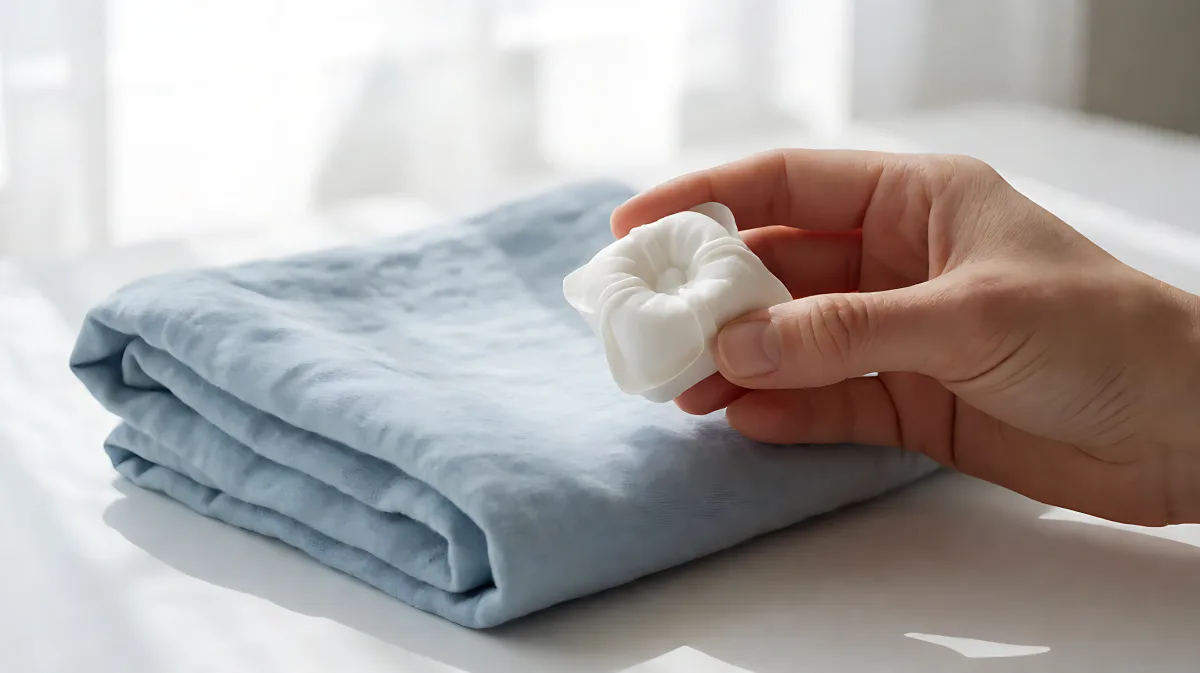
For seniors and those with sensitive skin, finding laundry detergent that cleans effectively without causing irritation is crucial. This guide explains how enzyme-based pods offer a gentle, powerful alternative to harsh chemicals.
Enzyme laundry pods are the top choice for sensitive skin and elder care in 2026 because they use natural biological catalysts to break down stains without relying on harsh synthetic chemicals. These bio-powered formulas effectively target protein, starch, and fat-based messes while remaining fragrance-free and gentle enough for delicate senior skin that is prone to irritation and allergy reactions.
Why do enzyme pods matter for sensitive skin and seniors?
Older adults often experience a condition known as epidermal thinning, which makes their skin more permeable and reactive to the chemicals found in traditional detergents. Many standard products contain optical brighteners, high concentrations of surfactants, and strong perfumes that can trigger contact dermatitis or respiratory issues. Enzyme-based laundry pods offer a solution by utilizing specific biological molecules to do the heavy lifting. These enzymes, such as proteases and amylases, target specific types of stains at the molecular level. This means the detergent requires fewer aggressive additives to achieve a clean wash, resulting in a residue-free garment that feels soft against the skin.
What makes bio-powered enzymes safer than traditional detergents?
Enzymes are proteins that act as catalysts, accelerating chemical reactions to break down dirt without being consumed in the process. In a laundry context, this translates to high-efficiency cleaning that can work well in lower water temperatures. This is particularly beneficial in elder care settings, where saving on energy costs is often a priority. According to recent industrial applications data, enzymes are capable of breaking down protein, starch, and fat stains with high specificity. This specificity allows manufacturers to formulate products that are "free and clear" of common irritants like dyes and dyes. Leading brands in the market now emphasize that their enzyme formulas are independently verified to be free from parabens, phthalates, and chlorine bleach, which are known sensitizers for the elderly population.
Which brands offer the best enzyme pods for elder care in 2026?
Several brands have risen to prominence in the gentle cleaning sector. Puracy is a notable option, offering pods that contain two bio-powered enzymes and are marketed specifically as free and clear for sensitive skin. These pods are highly rated for their non-toxic, richly concentrated formula, which provides a strong clean without the risk of chemical burns or skin reactions. Another strong contender is Dropps, which provides sensitive skin laundry pods that are Cradle to Cradle Certified. Dropps focuses on plastic-free packaging and formulas that are free from optical brighteners and artificial dyes, making them a strong choice for households prioritizing environmental and health safety. Both options are available in unscented varieties, which is critical for caregivers who need to avoid triggering asthma or allergic responses in residents.
How do you choose the right pod count and format?
When selecting a product for elder care, convenience and dosing accuracy are key. Pods are generally preferred over liquid detergents for seniors and caregivers because they eliminate the risk of accidental spills or incorrect dosing. However, caregivers should be aware that pods are often the leading cause of accidental ingestion among children and cognitively impaired individuals. The packaging for brands like Dropps and Puracy is designed to be difficult to open by young hands, but it remains accessible for seniors. A standard 64-count box usually provides about two months of washing for a typical household, making it a manageable inventory item for care facilities and home users alike. Always ensure the storage location is high and secure, following the advice of healthcare providers for those with dementia or early-stage memory loss.
How should you wash clothes for maximum skin comfort?
To get the most benefit from enzyme pods for sensitive skin, you should wash clothes on a cold or warm cycle. Enzymes are most effective at lower temperatures, and hot water can actually denature the proteins, reducing their cleaning power. It is also recommended to run an extra rinse cycle to ensure that any residual detergent is thoroughly removed from the fabric. This step is vital for individuals who sweat heavily or have compromised skin barriers. For garments that are heavily soiled with biological stains like blood or grass, pre-treating the area with a small amount of liquid enzyme booster can enhance the pod's performance without the need for harsh scrubbing.
What are the common mistakes to avoid?
One of the most common errors is assuming that "gentle" means ineffective. Bio-powered enzymes are actually more efficient at stain removal than many traditional agents, but they need time to work. Avoid rushing the cycle. Additionally, do not mix enzyme pods with bleach, as chlorine can deactivate the enzymes and create ineffective cleaning results. Stick to the specific instructions provided by the manufacturer, which often suggest a standard cycle length for best results. Finally, monitor for any lingering odors. If a load still smells musty after washing, it may indicate a mold buildup in the washing machine, which is unrelated to the detergent and requires a machine cleaning cycle.
How do enzyme pods compare to liquid detergents for seniors?
Pods offer superior convenience for elder care, as they are pre-measured and ready to use. There is no need for measuring cups, which can be difficult for individuals with arthritis or tremors. The biodegradable wrappers used by leading brands dissolve completely in the wash cycle, leaving no plastic residue behind. In terms of cost, pods can be slightly more expensive per wash than bulk liquid, but the reduced risk of spills and the precise dosing can prevent waste. For households in the UK and US, the price point for a 64-count box typically ranges from $25 to $35, depending on the brand and subscription status. This places them in the mid-range category of specialty detergents, which is often a reasonable trade-off for the peace of mind they provide to families caring for sensitive individuals.
Are enzyme pods safe for all types of fabric?
Yes, enzyme pods are generally safe for most synthetic and natural fibers. However, you should exercise caution with delicate items like silk or wool, as enzymes that break down proteins can potentially damage these natural protein fibers over time. For these specific items, it is best to use a dedicated delicate wash formula or hand wash. For the vast majority of everyday clothing, towels, and bedding in an elder care setting, enzyme pods are a safe and effective choice that will maintain fabric integrity while protecting the wearer's skin.
Frequently Asked Questions
Can enzyme laundry pods be used on a regular schedule?
Yes, enzyme pods can be used for every load. They are designed to be safe for repeated use on skin and fabric. In fact, for households with high washing frequency, using them consistently helps prevent the buildup of residues that can cause skin irritation. Just ensure you are not mixing them with incompatible products like bleach in the same cycle.
Do I need to pre-treat stains when using enzyme pods?
Pre-treatment is not always necessary because the enzymes break down stains at the molecular level. However, for stubborn or old stains, applying a small amount of an enzyme-based liquid booster to the spot before washing can improve results. This extra step is often beneficial in elder care facilities where stains from medical products or food may be particularly persistent.
How long do enzyme laundry pods last?
With proper storage, enzyme pods can last for several months without losing their potency. To ensure maximum effectiveness, store the pods in a cool, dry place and keep the original container closed. The enzymes begin to break down more rapidly in high humidity or heat, so avoiding damp basements or hot garage storage is recommended for long-term freshness.