Enzyme-Based Stain Removal Guide
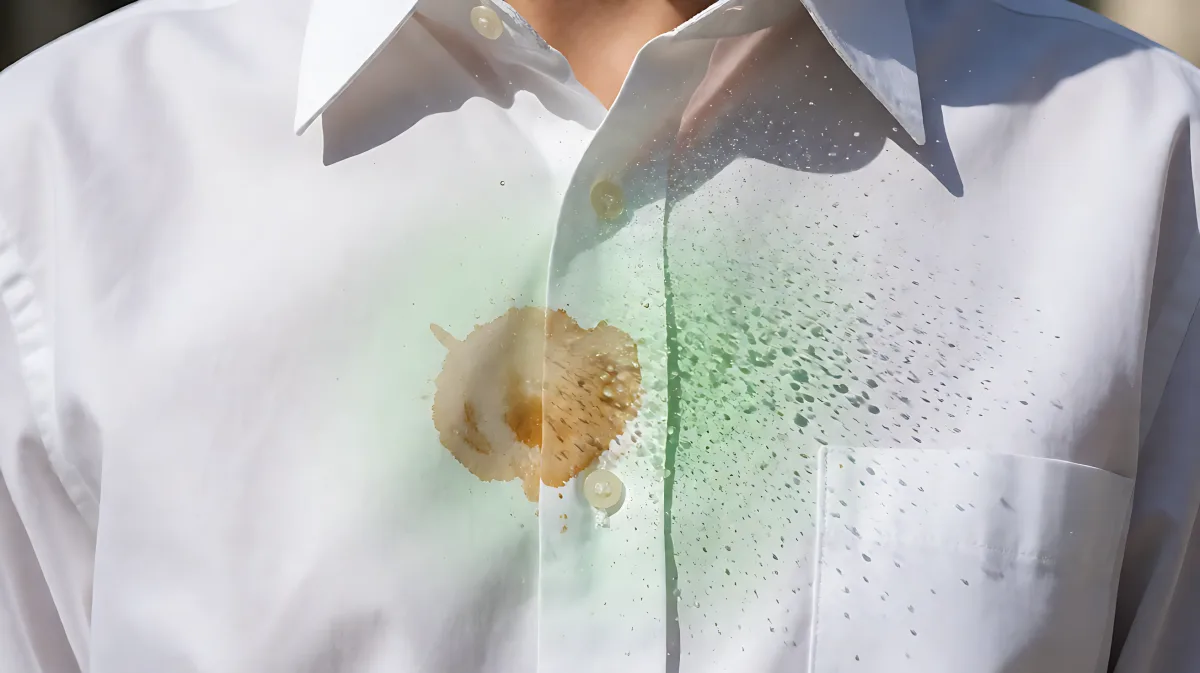
Enzymes are microscopic proteins that eat stains. From blood to grass to coffee, learn how this natural cleaning method works and how to apply it effectively in your home.
Enzyme-based stain removers work by using natural biological catalysts to break down organic molecules like proteins, fats, and starches that traditional detergents struggle to lift. As of 2026, the US Environmental Protection Agency (EPA) continues to promote these bio-based solutions for their reduced chemical impact on waterways, while major manufacturers have refined their formulations to target specific stain types more efficiently. By understanding the specific enzymes involved, such as protease for blood or cellulase for grass, you can apply the correct treatment to fabrics and carpets before setting the stain permanently.
What Exactly Are Enzymes in Cleaning Products?
At their core, enzymes are biological proteins that speed up chemical reactions. In cleaning, they act as molecular scissors that cut large, complex stain molecules into smaller, water-soluble fragments that can be rinsed away. The effectiveness of this process depends on matching the enzyme to the stain's chemical structure. For instance, a protease enzyme is specifically designed to digest protein-based stains, while an amylase targets starches. This targeted approach makes enzymatic cleaning highly effective for biological messes but less useful for synthetic pigments like ink or dye.
Which Enzymes Target Specific Stains?
Most comprehensive cleaning products contain a blend of these biological agents. A typical 2026 formulation will include:
- Protease: Breaks down amino acids in blood, egg, and urine stains.
- Lipase: Degrades fat and oil molecules, such as those found in cooking grease.
- Amulase: Converts complex starches into simple sugars, ideal for food spills.
- Catalase: Breaks down hydrogen peroxide, often used in combination with other enzymes to prevent fabric damage while lifting colorized stains.
How Do You Apply Enzyme Cleaners Effectively?
Success with enzymatic cleaners relies heavily on time and temperature. Unlike harsh chemical solvents that work instantly, enzymes require a "dwell time" to digest the stain. For best results, apply the cleaner directly to the stain and allow it to sit for 15 to 30 minutes. Do not rinse immediately; let the biological work begin. Furthermore, temperature matters. Enzymes have an optimal working range, usually between 100 and 110 degrees Fahrenheit. Boiling water will actually kill (denature) the enzymes, rendering them ineffective. Therefore, always use lukewarm or cold water when applying enzyme-based treatments.
What Are the Best Practices for Fabric Care?
When treating delicate fabrics like silk or wool, always perform a patch test in an inconspicuous area first. Enzymes are generally safe, but the carriers (the liquid solution holding the enzymes) may contain other ingredients that could affect dye fastness. For carpets, professional services from companies like USA Clean Master recommend pre-treating spots with targeted enzymatic solutions before deep cleaning. This ensures that the organic residue is fully digested before the cleaning machine extracts the dirty water. If the stain has dried, you may need to re-wet the area with lukewarm water to activate the enzymes again.
Are Enzyme Cleaners Safe for Pets and Children?
One of the primary drivers for the adoption of enzyme cleaners in the US and UK households is safety. The industry has moved toward "green chemistry," utilizing plant-derived ingredients that are biodegradable. Brands such as Good Natured Brand and US Enzyme market products that explicitly avoid petroleum-based solvents and synthetic optical brighteners. According to the Safer Watch database maintained by the Environmental Working Group, many enzyme-based cleaners achieve a low-hazard rating because they lack volatile organic compounds (VOCs) that are common in traditional bleach or ammonia-based products. However, it is crucial to note that while the enzymes themselves are safe, the full product label should always be reviewed. Some concentrates may still contain preservatives or fragrances that can be irritating to sensitive skin or pets if ingested. Always keep cleaning products out of reach of children and animals, and rinse fabrics thoroughly after treatment.
How Long Does It Take for Enzymes to Work?
Patience is key with biological cleaning. While some surface stains may lift within minutes, deeper biological stains like old pet urine or dried blood often require 24 hours of contact time for full breakdown. This is why professionals often advise applying the cleaner, blotting, and letting the item air dry. If the stain persists after one cycle, the process may need to be repeated. Do not put the item in the dryer until the stain is completely gone, as the heat will set any remaining organic material, making it nearly impossible to remove.
When Should You Hire a Professional for Stain Removal?
While home remedies work for daily spills, certain stains require specialized intervention. Antique rugs, high-end silk pieces, or extensive mold damage may need the attention of a certified technician. As of 2026, the Institute of Inspection, Cleaning and Restoration Certification (IICRC) mandates that professionals using enzymatic treatments must follow strict moisture control protocols to prevent secondary damage like mold growth. For households dealing with significant mold issues, companies like US Enzyme offer targeted mycotoxin removal products that utilize enzymatic breakdown of fungal byproducts, a niche area where standard laundry detergents fail. If you suspect mold or have a valuable heirloom, consulting a local specialist is the safest route.
What Role Do Enzymes Play in Mold Remediation?
Standard mold remediation often focuses on killing the fungus with biocides. However, the toxic byproducts (mycotoxins) can remain in the air and on surfaces. Enzyme products designed for remediation, such as those from US Enzyme, use specific catalytic agents to break down these mycotoxins. This is a growing sector in the 2026 cleaning market, as health organizations emphasize the need for removing toxic residues rather than just the visible mold. These treatments are often applied to hard surfaces and HVAC systems in commercial and residential buildings to improve indoor air quality.
Frequently Asked Questions
Can enzyme cleaners remove ink stains?
No, ink is a synthetic pigment, not an organic compound. Enzymes work by digesting biological molecules like protein or starch. For ink, you need a solvent-based cleaner or a specialized stain remover that targets pigments. Using an enzyme cleaner on ink will not work and may waste time that should be spent on the correct chemical treatment.
Is it safe to use enzyme cleaner on white teeth or false teeth?
Generally, enzyme cleaners are formulated for fabrics and hard surfaces, not human biological structures. While some people use hydrogen peroxide (often found in enzyme blends) for teeth, it is not recommended for regular use without dental supervision. For false teeth, stick to mild dish soap or specialized denture cleansers that are specifically designed to be safe for acrylic and plastic materials.
Do enzyme cleaners expire?
Yes, enzymes are biological proteins and can degrade over time, especially if exposed to high heat or direct sunlight. Most manufacturers recommend storing products in a cool, dry place. Check the "best by" date on the label. If the product has been sitting in a hot car or garage for months, its enzymatic activity may be significantly reduced, meaning it will take longer to work or may not work at all.
Can I mix enzyme cleaner with bleach?
No. You should never mix enzymes with chlorine bleach. Bleach is a strong oxidizer that kills living cells and denatures proteins. Since enzymes are proteins, bleach will effectively kill the enzymes, rendering the product useless. Additionally, mixing different chemical compounds can create unsafe fumes. Use them separately, allowing the enzyme to work first, and only then use a dilute bleach solution on white, color-fast fabrics if necessary for sanitization.