Managing Cleaning Chemical Sensitivities for Elderly Adults
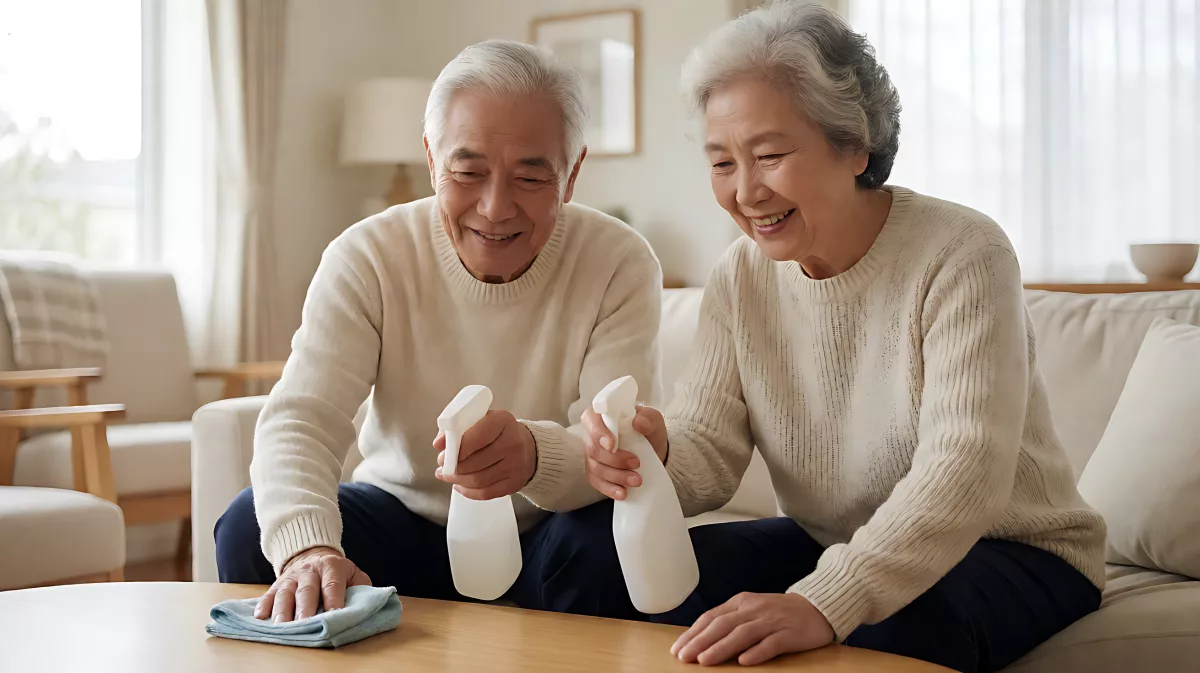
Elderly adults often face heightened risks from cleaning chemicals. This guide explains how to identify sensitivities, select safer products, and maintain a hygienic home without compromising respiratory health.
For elderly individuals, cleaning chemical sensitivity is a significant health concern that can trigger respiratory distress and exacerbate existing conditions. In 2026, the focus for seniors and their caregivers is shifting toward low-odor, non-toxic formulations that maintain hygiene without exposing vulnerable residents to harsh fumes. By prioritizing ventilation, choosing certified safe products, and adopting gentle application methods, older adults can keep their homes clean while protecting their respiratory health and overall well-being.
Why Are Older Adults More Sensitive to Cleaning Chemicals?
The aging process brings physiological changes that make seniors more vulnerable to airborne irritants. As lung capacity decreases and the body’s ability to filter toxins slows down, even small concentrations of volatile organic compounds (VOCs) found in common sprays and disinfectants can cause headaches, dizziness, or wheezing. The Centers for Disease Control and Prevention (CDC) notes that older adults with pre-existing respiratory conditions like asthma or chronic obstructive pulmonary disease (COPD) are at particular risk. In 2026, healthcare providers are increasingly advising that routine cleaning should not come at the cost of respiratory comfort. For many seniors, the accumulation of dust and allergens is a genuine health threat, but the solution must not involve ingredients that irritate sensitive airways.
What Are the Health Risks of Traditional Cleaning Products?
Many conventional cleaning agents contain ammonia, chlorine, or strong fragrances that act as airway irritants. When these chemicals are used in enclosed spaces, they can create a buildup of fumes that is difficult for older lungs to process. Research highlighted in recent gerontology studies suggests that chronic exposure to household cleaning chemicals is linked to increased inflammation in the respiratory tract. For residents in long-term care or those aging in place, the risk is compounded by frequent use of disinfectants on high-touch surfaces. It is not just about the smell; it is about the particulate matter and gas exposure that occurs during and after cleaning. In 2026, the trend is moving away from multi-purpose sprays toward specialized, dilute solutions that are safer for daily use around vulnerable populations.
How Can Seniors Clean Safely Without Harsh Fumes?
Safety does not require complete avoidance of cleaning, but it does require smarter methods. The first step is ventilation. Opening windows before, during, and after cleaning helps disperse any airborne particles. The second step is product selection. Look for products labeled as "low-odor," "fragrance-free," or certified by third-party organizations that verify the absence of common allergens. In 2026, many major manufacturers have introduced "elder-care" specific lines that prioritize gentle efficacy. When scrubbing floors or wiping surfaces, use a microfiber cloth with plain water or a mild, plant-based detergent. Avoid mixing bleach with ammonia, a common error that releases toxic gas. For seniors with mobility issues, consider ergonomic tools with extended handles to reduce strain and the need to bend, which can also trigger dizziness if the air quality is poor.
What Role Do Professional Care Services Play?
As the senior care market grows, professional cleaning services are adapting to meet the specific needs of older clients. In 2026, the global market for cleaning chemicals in senior care facilities is valued at approximately $1.8 billion, with a steady growth rate driven by the demand for safer, compliant products. Companies like Ecolab and Clorox Professional have developed hospital-grade disinfectants that are registered for safety in environments with vulnerable residents. For home-based care, hiring a vetted cleaning professional ensures that the right products are used and that the space is left safe for the senior. These professionals are trained to recognize the signs of chemical sensitivity and adjust their methods accordingly, ensuring that the home remains a sanctuary rather than a source of stress.
How Does Indoor Air Quality Affect Senior Well-Being?
Indoor air quality is directly linked to cognitive and physical health in older adults. Studies indicate that a clean, well-ventilated home can reduce anxiety and improve mental clarity. Conversely, a space that smells strongly of chemical cleaners can cause discomfort and anxiety, particularly for those with sensory processing issues. The National Institute for Occupational Safety and Health (NIOSH) has long emphasized that personal exposure to airborne contaminants is a key factor in health outcomes. In 2026, advancements in air monitoring technology allow some seniors to track indoor air quality in real-time. Using simple sensors, caregivers can identify spikes in VOCs and adjust cleaning schedules or ventilation protocols. This proactive approach ensures that cleaning is performed at times when the senior is most comfortable, or when the room is well-ventilated, reducing the risk of irritation.
What Are the Best Practices for Disinfecting Without Irritation?
Disinfection is essential, but it can be done gently. Alcohol-based wipes and sprays are generally less irritating than chlorine-based solutions, provided they are used on well-ventilated surfaces. In 2026, UV-C light sanitizers are becoming more accessible for home use, offering a chemical-free alternative for disinfecting hard surfaces like tables and light switches. These devices are particularly useful for seniors who cannot tolerate any scent or fume. For soft surfaces like bedding, steam cleaning is another effective method that uses heat rather than chemicals to kill bacteria and dust mites. When using steam, ensure the area is ventilated to prevent fog or humidity buildup, which can make breathing difficult for some seniors.
FAQ About Elderly Cleaning Chemical Sensitivity
Can vinegar and baking soda replace chemical cleaners for seniors?
Yes, for many routine tasks, vinegar and baking soda are effective and gentle alternatives. They are safe for most surfaces and do not release harsh fumes. However, they are not strong disinfectants for viral or bacterial pathogens, so they should be used for general cleaning rather than deep sanitization of areas like bathrooms or kitchens after illness.
How should a caregiver respond if a senior shows signs of chemical exposure?
If an elderly person experiences dizziness, shortness of breath, or a rash after cleaning, move them to fresh air immediately. Stop the cleaning activity and ventilate the room. If symptoms persist, seek medical attention. Document the products used to help the doctor identify the cause. In 2026, it is also advisable to keep a list of all cleaning products in the home to avoid accidental cross-contamination or repeated exposure to a specific ingredient.
Are fragrance-free cleaning products always safe?
Fragrance-free means that added perfumes are not used, but it does not necessarily mean the product is non-toxic. Some fragrance-free cleaners still contain harsh surfactants or preservatives that can irritate sensitive skin or lungs. Always check the ingredient list for known sensitivities and consult with a healthcare provider if the senior has a history of chemical allergies. Look for products with simple, transparent labeling.
What is the best way to clean a senior's home if they have asthma?
For seniors with asthma, the priority is avoiding triggers. Use a HEPA vacuum cleaner to remove dust and allergens without releasing them back into the air. Avoid strong scents and use damp mops or cloths instead of dry sweeping, which kicks up particles. Ensure that all windows are open during cleaning to maintain air circulation. In 2026, many asthma guidelines recommend avoiding aerosol sprays entirely and using trigger-release sprays or pourable liquids to minimize airborne particle exposure.