Ultimate Cleaning Guide: Methods & Safety
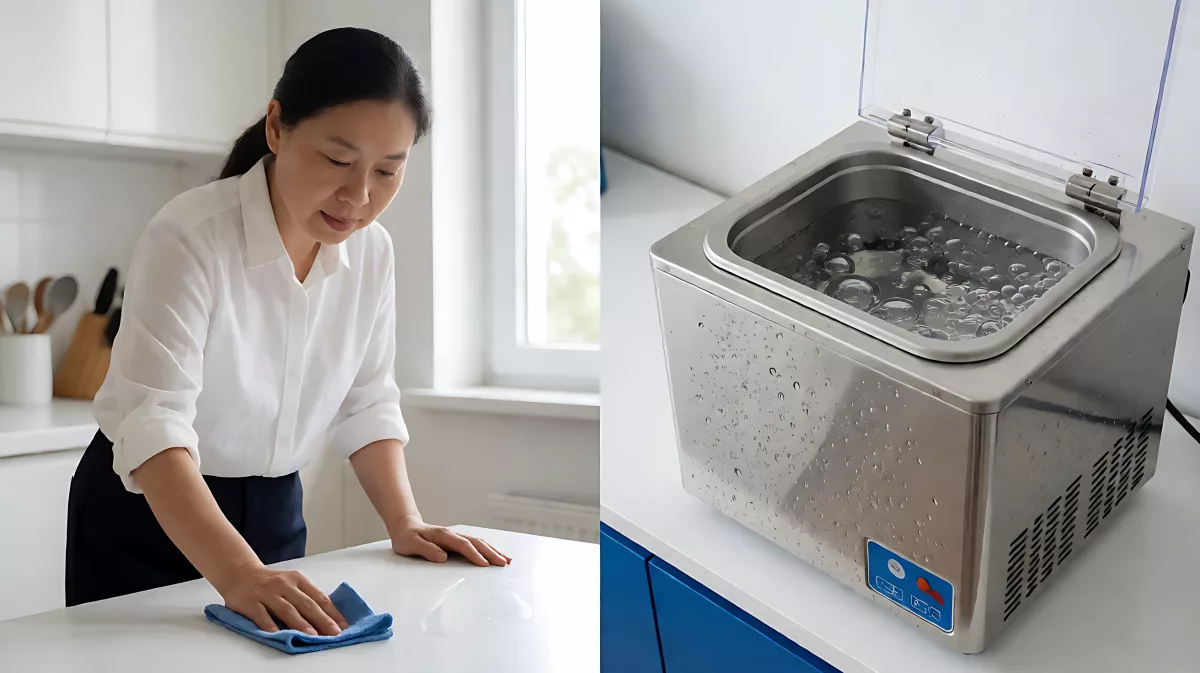
From simple dusting to advanced ultrasonic technology, understand the core principles of removing contaminants. This guide breaks down how to select the right cleaning method for your specific environment.
Cleaning is the deliberate process of removing unwanted substances like dirt, dust, and impurities from surfaces and environments. It is essential for maintaining aesthetics, ensuring hygiene, and protecting safety. Whether you are tidying a home or managing a commercial facility, understanding the right method is key to effective results.
Why do cleaning methods matter?
Choosing the right approach depends on the surface material and the level of contamination. Most effective cleaning strategies combine two types of action. Mechanical action physically removes debris, such as using a mop or brushing. Chemical action, often through solvation, breaks down grease and stains. Many professional and domestic tasks rely on a blend of both to achieve a deep clean without damaging the object.
What are the common cleaning techniques?
Different environments require different tools. The most standard methods used in households and offices include:
- Washing and Mopping: The most common technique, utilizing water and soaps or detergents. Mopping is specifically designed for large floor surfaces.
- Wiping: Uses dry or moist cloths, paper towels, and wet wipes. This is ideal for quick maintenance of electronics and furniture.
- Pressure Washing: Employs high-pressure water streams to strip away stubborn grime from siding, driveways, and outdoor equipment.
- Wet Cleaning: A professional laundering method that cleans textiles using water instead of chemical solvents, often used for delicate fabrics.
How do advanced cleaning technologies work?
For sensitive items or industrial applications, advanced technologies offer precise contamination removal. Ultrasonic cleaning uses sound waves, typically ranging from 20 to 400 kHz, to shake particulates loose from intricate surfaces. This method is widely used for medical instruments and optical lenses. Megasonic cleaning operates at higher frequencies to provide a gentler clean for delicate electronics and medical implants. In aerospace, carbon dioxide snow is used to clean sensitive optical components without leaving any residue. These specialized methods ensure that high-precision equipment remains functional and hygienic.
| Method | Best Used For | Key Mechanism |
|---|---|---|
| Ultrasonic | Medical parts, jewelry | High-frequency sound waves |
| Pressure Wash | Exteriors, vehicles | High-pressure water |
| Chemical Solvation | Stains, grease | Chemical reaction |
| Acoustic | Industrial components | Shaking via sound |
What are the safety considerations in cleaning?
Safety is the top priority when handling cleaning agents. Traditional chemical disinfectants can pose risks to indoor air quality and the health of residents and staff. Exposure to volatile organic compounds and harsh residues can lead to respiratory distress or skin irritation. Many organizations are now shifting toward nontoxic alternatives. Electrolyzed water, for instance, is generated on-site using salt and electricity. It produces hypochlorous acid, a powerful disinfectant that is gentle on surfaces and free from harmful VOCs. This switch not only protects human health but also supports sustainability by reducing the need for plastic packaging and chemical transport.
Which cleaning products are safer for the environment?
Environmentally friendly cleaning focuses on reducing waste and toxicity. Using biodegradable detergents and minimizing water usage are two major steps. Facilities that adopt on-site generation systems for disinfectants significantly lower their carbon footprint. By producing only the amount of solution needed, operators eliminate hazardous waste disposal issues. This approach aligns with broader environmental protection goals, ensuring that the act of cleaning does not contribute to pollution or chemical runoff.
Is ultrasonic cleaning safe for home use?
Yes, ultrasonic cleaners are widely used for household items like glasses and jewelry. They are safe when operated according to manufacturer guidelines, as the technology is non-abrasive and effective for removing fine particles without manual scrubbing.
What is the most effective way to remove dust?
Regular dusting with microfiber cloths is the most effective method for maintaining dust-free surfaces. Microfiber traps particles rather than pushing them around, ensuring that dust is removed rather than just redistributed into the air.
How often should professional cleaning be performed?
The frequency depends on the environment. High-traffic commercial spaces usually require daily or multiple daily cleanings. For healthcare settings, terminal cleaning is performed after each patient occupancy to ensure hygiene. Domestic homes typically benefit from a weekly deep clean and daily maintenance tasks.
Can I mix cleaning products?
No, you should never mix household cleaning products. Combining different chemicals can create hazardous fumes or dangerous reactions. For example, mixing bleach and ammonia can release toxic gas. Always read labels and use products as directed for safe results.