Companion Planting for Pest Control: A Gardener's Guide
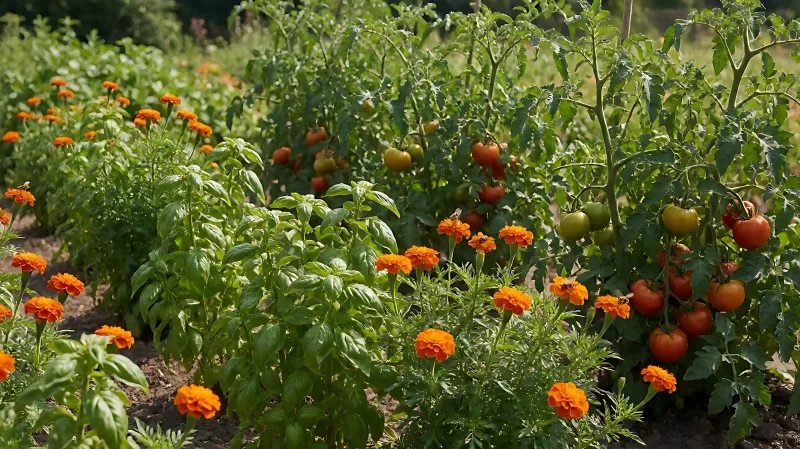
Companion planting is a natural strategy to manage garden pests. This guide details specific plant pairings, from marigolds to basil, that help repel insects and attract beneficial predators without the use of chemical sprays.
Companion planting is a time-tested, organic strategy that reduces pest damage by growing specific plants side-by-side to repel insects, confuse predators, or attract beneficial helpers. By integrating diverse flora like marigolds and basil into your vegetable beds, you create a natural defense system that significantly lowers the need for synthetic chemical treatments.
Why companion planting is the key to natural pest control?
For decades, gardeners have relied on the practice of placing plants in close proximity to support one another. While the idea is often shrouded in folklore, modern horticultural science supports the notion that biodiversity acts as a natural regulator for pest populations. Monocultures, such as large-scale agricultural plots, are highly susceptible to rapid pest outbreaks. In contrast, a home garden with mixed plantings creates a confusing environment for pests searching for host plants. The strong scents of aromatic herbs can mask the signals that vulnerable vegetables emit, effectively rendering them invisible to hungry insects.
What are the core principles of effective pairing?
Understanding the underlying mechanics of plant interaction helps you move beyond guesswork. The primary goal is to build a habitat that supports beneficial insects while simultaneously repelling harmful ones. This involves three main actions: repelling pests with strong aromatic compounds, attracting predatory insects to consume pests, and breaking up the visual pattern of a single crop. When you interplant, you are not just saving money on sprays; you are actively nurturing a balanced micro-ecosystem where natural checks and balances can function effectively.
Which plants deter common garden pests?
Certain plants produce volatile oils and strong aromas that are unpleasant to specific insect species. Using these natural repellents is one of the most effective ways to protect your crops without intervening chemically. The following plants are frequently cited by extension services and gardening experts as reliable deterrents.
- Marigolds: Often referred to as the Tagetes genus, these flowers are particularly noted for their ability to deter root-knot nematodes. Research from institutions such as Louisiana State University has highlighted their efficacy when planted in rotation with vegetables. They are excellent companions for tomatoes and potatoes.
- Basil: When grown near tomatoes, basil is traditionally used to repel tomato hornworms and aphids. The scent of basil is believed to confuse the moths that lay the eggs of these destructive larvae.
- Alliums (Onions, Garlic, and Chives): These pungent plants are versatile. Placed near carrots, they help deter the carrot rust fly. Near roses, they can reduce issues with mildew and aphids. Their sharp smell acts as a broad-spectrum deterrent for a variety of soft-bodied insects.
- Lavender, Rosemary, and Sage: These hardy, aromatic herbs release strong scents that repel moths and ticks. Lavender, in particular, is noted for keeping rabbits and voles away from flower and vegetable beds, protecting them from chewing damage.
- Nasturtiums: These trailing flowers serve a dual purpose. They repel cucumber beetles and squash bugs. Additionally, they act as a 'trap crop,' drawing aphids to themselves so that they remain away from your prized tomatoes and cucumbers.
How do you attract beneficial insects to your garden?
While repelling pests is crucial, inviting their natural predators is equally important. Many beneficial insects, such as ladybugs, lacewings, and parasitic wasps, need specific plants to complete their life cycles. By planting 'nursery' flowers, you provide them with a stable habitat where they can overwinter, feed, and breed.
What flowers provide habitat for predatory bugs?
Flowers that bloom into the late summer are especially valuable. Dill and fennel are excellent choices; when they bolt and flower, they attract parasitic wasps that target aphids and caterpillars. Cosmos and alyssum are dense, clumping flowers that provide shelter for ground-dwelling beneficials like predatory beetles. Even when vegetables like lettuce or onions bolt, allowing them to flower can turn them into valuable insect habitats, providing a food source for the 'good bugs' that keep your garden in check.
What are the most reliable classic plant combinations?
Several pairings have stood the test of time and are supported by both anecdotal evidence and specific studies. It is important to note that soil conditions and microclimates vary, so what works in one garden may require adjustment in another. The following are widely recommended starting points:
| Primary Crop | Companion Plant | Primary Benefit |
|---|---|---|
| Tomatoes | Basil, Marigold, Chives | Repels hornworms, aphids, and nematodes; improves flavor. |
| Cabbage/Brassicas | Thyme, Oregano, Sage | Deters cabbage moths and white cabbage-moth. |
| Carrots | Onions, Chives | Confuses carrot rust flies and improves soil aeration. |
| Squash/Zucchini | Marigold, Nasturtium | Repels squash bugs and cucumber beetles. |
| Strawberries | Spinach, Dill | Improves crop yield; repels certain pests. |
A particularly historic and effective combination is the 'Three Sisters' method, traditionally used in North America. In this system, corn is planted alongside beans and squash. The corn provides a sturdy structure for the beans to climb, the beans fix nitrogen in the soil to feed the corn, and the large leaves of the squash shade the ground, suppressing weeds and retaining moisture.
Is companion planting always scientifically proven?
It is essential to approach this topic with a balance of enthusiasm and skepticism. As noted by experts at Iowa State University, companion planting research is still evolving. Some combinations, such as planting onions to repel cabbage worms, have shown mixed results in controlled studies. What may work for a specific gardener's layout might not work for another. It is highly recommended to test specific pairings in your own space and observe the results over multiple seasons rather than relying solely on folklore. Furthermore, while companion planting is a powerful tool, it is not a cure-all. Healthy soil management and manual removal of severe infestations remain critical components of a successful organic garden.
Should you completely stop using pesticides?
The ultimate goal of companion planting is to reduce or eliminate the need for chemical intervention. Even organic pesticides, such as insecticidal soaps, can harm the beneficial insects you are trying to attract. The most effective strategy is a holistic approach: use your hands to squash visible pests, employ physical barriers like row covers when necessary, and rely on your diverse planting to naturally regulate populations over time. Patience is key, as the beneficial ecosystem takes time to establish itself in a new garden.
FAQ
Do companion plants actually repel pests or just attract predators?
Companion plants function in both ways. Aromatic herbs like basil and thyme release volatile compounds that physically repel specific insects, confusing their sensory systems. Simultaneously, flowering plants attract predatory insects, such as lacewings and parasitic wasps, which actively hunt and consume the harmful pests, creating a natural cycle of control.
Can I grow mint in my vegetable garden?
While mint is a potent deterrent for cabbage moths, it is a highly invasive perennial. It is strongly advised to grow mint in pots and place those pots near your cabbage or broccoli plants. This allows you to enjoy the pest-repelling benefits while keeping the rhizomes from choking out your other crops.
How long does it take for beneficial insects to show up?
If you are new to planting a diverse, flower-rich garden, it may take up to two full growing seasons for the local population of beneficial insects to notice your garden as a viable habitat. You should see an increase in natural pest control effectiveness year over year as the ecosystem matures.