How Seniors with Limited Mobility Can Compost in Cold Climates
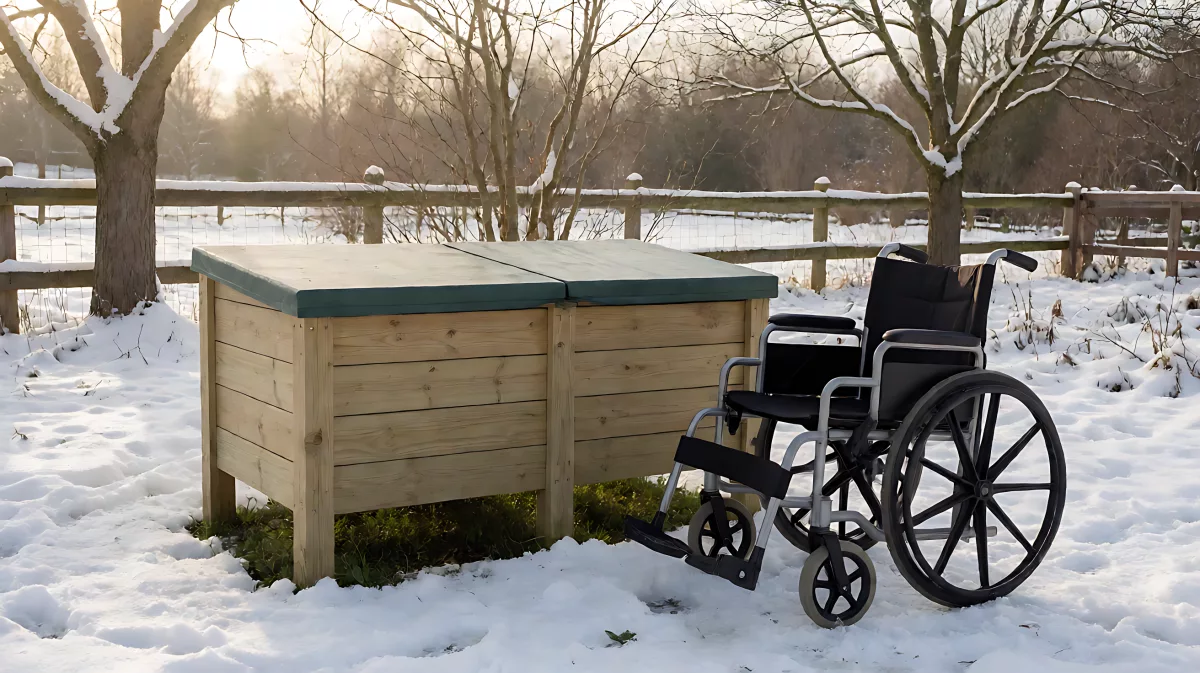
Composting is possible even in freezing temperatures. This guide helps seniors with limited mobility create safe, low-effort compost systems that generate heat and reduce physical strain.
Seniors with limited mobility can successfully compost in cold climates by using insulated, accessible stations and minimizing physical exertion. This method keeps the process safe, low-impact, and effective year-round. By focusing on heat retention and ergonomics, you can create rich soil amendments without heavy lifting or bending.
Why cold-weather composting matters for active seniors
In regions where temperatures drop below freezing, standard compost piles often stop decomposing, leading to odors and pests. For older adults, the challenge is compounded by joint pain or reduced strength, making traditional turning and moving materials difficult. However, cold-climate composting offers a dual benefit: it sustains a healthy garden ecosystem and provides gentle, safe outdoor engagement. The Centers for Disease Control and Prevention note that routine outdoor activity helps lower risks of chronic diseases such as heart disease and diabetes, which is particularly relevant for aging populations.
What are the mobility-friendly advantages of a stationary system?
Unlike hot composting that requires frequent turning to maintain temperatures, cold-climate systems are designed to work slowly over time. This approach means you can add materials and leave them undisturbed for months. A stationary, accessible setup allows you to manage waste from a standing position or while seated in a wheelchair. It removes the need for heavy shovels or large rakes, replacing them with lighter tools or no tools at all. This steady, low-intensity rhythm aligns well with adaptive sports and therapeutic recreation goals, promoting independence without pushing physical limits.
How to build an accessible compost station in winter
The key to winter success is insulation and height. A stationary compost bin that is waist-high or accessible from a wheelchair eliminates the need to bend. Choose a material that retains heat, such as a thick-walled plastic container or a wooden box lined with burlap. You do not need to purchase expensive equipment; many people repurpose large garbage bins or old freezer units for this purpose.
What dimensions and features make a bin accessible?
Look for bins that are at least 30 inches deep but no taller than 42 inches to ensure easy reach. The opening should be at the top or the front, allowing you to drop leaves and scraps in without climbing. Ensure the bin is placed on a flat, stable surface, such as a raised bed or a concrete pad, to prevent it from tipping. Add a heavy lid to block wind and retain the internal heat generated by microbial activity. According to recent studies from Karistad University, insulating the exterior with rigid foam panels can maintain internal temperatures 15 degrees Celsius higher than un-insulated piles in winter conditions, significantly speeding up decomposition without added effort.
Managing heat and materials without heavy labor
In cold climates, you must balance nitrogen and carbon materials to keep the process alive. Instead of mixing layers, which can be tiring, you can add fresh kitchen scraps on top of a carbon layer like dried leaves. This simple topping method reduces the physical work required. To maintain heat, cover the pile immediately after adding materials. A thick layer of straw or a tarp helps trap the thermal energy produced by bacteria.
Which materials are best for low-effort winter composting?
Focus on easily accessible materials that do not require chopping. Uncooked fruit and vegetable peels from your kitchen are ideal. Shredded paper and dry leaves are excellent carbon sources that can be layered without tools. Avoid meat and dairy, as they attract rodents that are more active in cold weather. If you have access to a shredder or a chipper, use them to break down bulky items, but do not worry if you do not; smaller pieces will simply decompose more slowly. The slow decomposition is acceptable in winter, as the goal is to build a base for spring activity.
Safety considerations for seniors with limited mobility
Safety is the top priority when gardening or managing compost in winter. Slippery surfaces from ice and snow are major fall risks. Use a mobility aid, such as a cane or walker, when approaching the compost station. Wear non-slip footwear and keep the path to the bin clear of debris. To protect your joints, use long-handled tools for any necessary adjustments, and keep the workstation close to a bench where you can sit and rest if needed.
How can you prevent falls and strain during the process?
Plan your movements in short sessions. Do not try to manage the entire pile in one go; instead, add materials as you finish cooking or preparing meals. This spreads the activity out over time and prevents fatigue. If you experience joint pain, switch to a seated setup or ask a caregiver to assist with the heavier items. The goal is to maintain a routine, not to perform heavy physical labor.
Common questions about composting in the cold
Many seniors worry that the cold will kill the beneficial microbes. This is a misconception. While activity slows down, it does not stop completely. The insulating properties of the pile itself protect the core. You do not need to add heat sources; the natural decomposition generates enough energy to keep the center active, even when the outside temperature is below zero.
Does composting in winter attract pests?
Winter is actually a lower-risk time for pests compared to summer. Rodents may seek warmth, so keeping the bin tightly closed and avoiding meat or dairy products significantly reduces this risk. Using a metal or thick plastic bin with a secure latch prevents animals from accessing the contents. If you notice signs of animals, add a wire mesh layer at the bottom and top of the bin to keep them out without changing your routine.
How long does it take for compost to be ready in cold climates?
In cold regions, the timeline is longer than in temperate zones. A well-insulated pile will likely be ready by late spring or early summer of the following year. This is a manageable timeframe, as it requires minimal maintenance. You can use the finished compost to enrich your garden beds in the spring, providing nutrients and improving soil structure. The slow pace also gives you more time to plan your garden layout and prepare for the growing season without rushing.
Can I start a new pile if it freezes?
If the pile freezes solid, do not try to break it up. The freeze actually helps kill any weed seeds or pathogens. In spring, the pile will thaw and decomposition will resume. You can add new materials on top during the freeze; they will remain on the surface until temperatures rise. This means you never have to stop your composting habit, even during the harshest weather.
Where can I find accessible tools and resources?
Many community gardens and senior centers now offer adaptive equipment and guides. Look for programs from local therapeutic recreation services that provide training on low-impact gardening techniques. These resources can help you adapt your specific space and needs. Online forums and senior gardening groups are also valuable for sharing tips on insulation and material management.