How to Clean Moldy Ceiling Tiles Safely
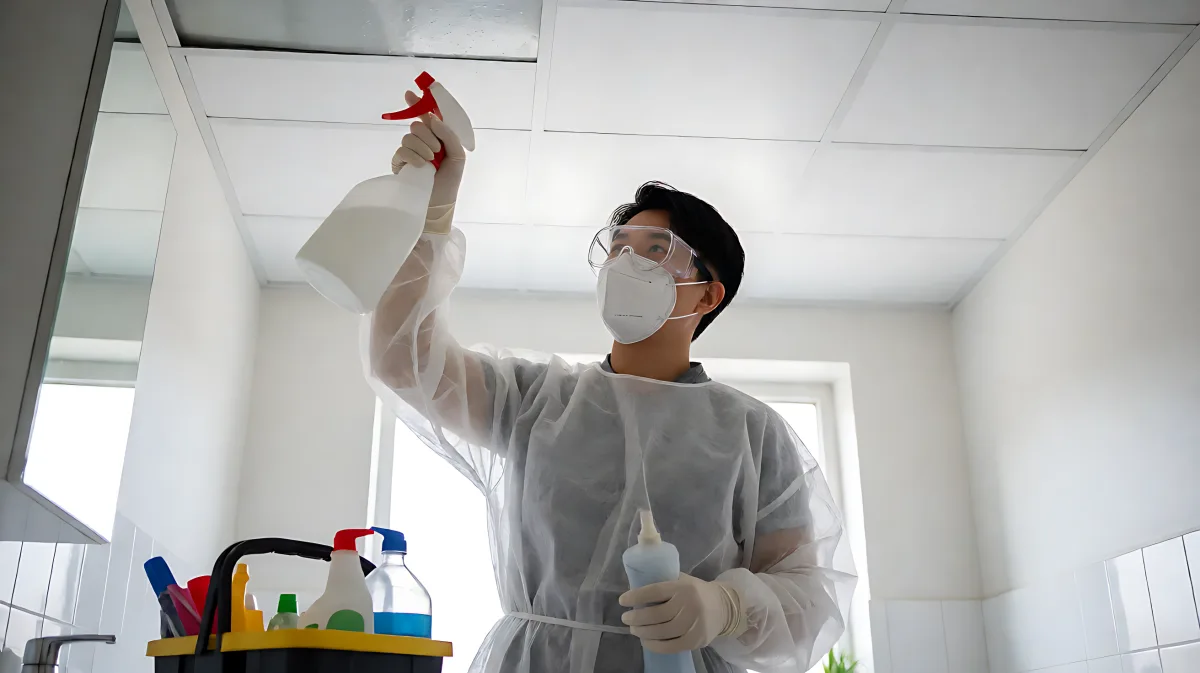
Discover the most effective ways to remove mold from ceiling tiles. Learn which cleaning solutions work best, how to prepare for the task, and essential steps to prevent future outbreaks.
Remove mold from ceiling tiles by identifying the moisture source, wearing appropriate PPE, and applying a specialized cleaner like diluted vinegar or hydrogen peroxide. For non-porous tiles, scrub and dry thoroughly. If the material is porous or heavily damaged, replace the tiles to prevent recurrence. Consistent humidity control is required to keep the area mold-free.
Why Is Mold Growing On My Ceiling Tiles?
Mold on ceiling tiles usually signals a persistent moisture problem in your home. While it might seem like just dirt, it is a fungus that thrives in damp environments. The US Environmental Protection Agency emphasizes that controlling indoor moisture is critical to preventing mold growth. If you find mold on your ceiling, it is likely due to a roof leak, condensation from poor ventilation, or high indoor humidity levels. In the UK and US, bathrooms and kitchens are the most common areas for this issue due to steam and water usage.
What Causes Mold to Thrive Indoors?
Mold spores are everywhere, but they only grow when they find moisture. A common misconception is that opening a window immediately after a shower solves the problem, but in fact, cold air meeting warm humid air often creates condensation on surfaces. This trapped moisture feeds the mold. To understand if your ceiling is at risk, check the relative humidity. The EPA recommends keeping indoor relative humidity below 60 percent to limit mold growth. If your bathroom frequently exceeds this level, you have a breeding ground for mold.
How Do I Safely Prepare For Ceiling Mold Cleanup?
Before you touch a single tile, you must protect yourself. Cleaning mold releases spores into the air, which can cause respiratory irritation. Many families assume a simple dust mask is enough, but in fact, guidance typically recommends a properly fitted N95 respirator or higher to ensure a tight seal. Loose face coverings do not protect your lungs effectively.
- Wear PPE: Use nitrile gloves, safety goggles, and an N95 respirator.
- Ventilate: Open windows if weather permits. If it is cold outside, use an exhaust fan to push air out rather than in.
- Protect Surfaces: Lay down towels or plastic sheeting on the floor below the work area to catch drips and falling debris.
- Isolate the Area: Keep children and pets out of the room during the cleaning process.
Which Cleaning Solutions Are Most Effective?
Choosing the right cleaner depends on the type of ceiling tile. Non-porous tiles, such as vinyl or metal, can be scrubbed and sanitized. Porous materials, like drywall or unsealed acoustic tiles, require different handling.
What Should I Use For Non-Porous Tiles?
For hard, sealed surfaces, a solution of one part bleach to ten parts water is effective for killing mold and removing stains. Alternatively, undiluted white vinegar is a popular non-toxic option. Spray the affected area generously and let it sit for 10 to 20 minutes. Use a stiff-bristled brush to scrub the tile, working from the outside in to contain the mold. Rinse with a clean damp cloth and dry immediately. Another option is hydrogen peroxide at a 3 percent concentration, which is less harsh on the eyes and skin than bleach.
What If My Ceiling Tiles Are Porous?
If your ceiling tiles are made of drywall, plaster, or unsealed acoustic material, the mold has likely penetrated deep into the fibers. In these cases, surface cleaning is often insufficient. According to home inspection experts, if the material crumbles or feels spongy when touched, it is too far gone to save. You must remove and replace the affected tiles. Attempting to bleach porous materials often leaves behind discoloration and active mold roots.
How Can I Prevent Mold From Coming Back?
Cleaning the visible mold is only half the battle. If you do not address the source of the moisture, the mold will return within weeks. Prevention requires a systematic approach to managing indoor humidity.
- Fix Leaks: Inspect the roof and plumbing above the affected ceiling. Even a tiny drip can sustain mold growth. Hire a professional if you cannot access the source safely.
- Use a Dehumidifier: In rooms with high humidity, a dehumidifier can keep moisture levels in check. Aim for a target range of 30 to 50 percent relative humidity.
- Improve Ventilation: Ensure that exhaust fans in bathrooms and kitchens are working correctly. Run them for at least 20 minutes after using hot water.
- Apply Anti-Mold Paint: If you are repainting, use a primer and paint formulated with mold inhibitors. This creates a barrier that makes it harder for spores to attach.
When Should I Call A Professional?
You should seek help from a certified mold remediation specialist if the affected area is larger than 10 square feet (approximately 1 square meter). At this scale, the potential health risks increase significantly, and proper containment equipment is needed to prevent cross-contamination of your home. Additionally, if you have asthma, a compromised immune system, or if the mold keeps returning despite your cleaning efforts, a professional inspection is the safest choice.
Frequently Asked Questions
Can I mix vinegar and bleach to clean ceiling tiles?
No. Never mix vinegar and bleach. Doing so creates chloramine gas, which is toxic and can cause severe respiratory irritation. Use one product or the other, and rinse the surface between applications if you switch products.
How long does it take to remove mold from a ceiling tile?
For surface-level mold on non-porous tiles, the cleaning process usually takes 30 to 60 minutes per tile. This includes preparation, application of the cleaner, scrubbing, and drying. Allow the area to dry completely, which may take several hours depending on airflow.
Is it safe to live in the house while cleaning mold?
It is best to avoid the affected room while cleaning. The disturbance releases spores into the air. If other household members must stay in the home, ensure the door to the room is closed and the HVAC system is turned off to prevent spores from circulating to other living areas.
Do ceiling tiles need to be replaced if they look spotty?
Not always. If the spots are superficial and the tile is hard and non-porous, cleaning is sufficient. However, if the tile is discolored through to the core, or if it is a soft material like drywall, replacement is recommended to ensure the mold is fully removed.