Blood Pressure Monitoring Trends: What to Expect
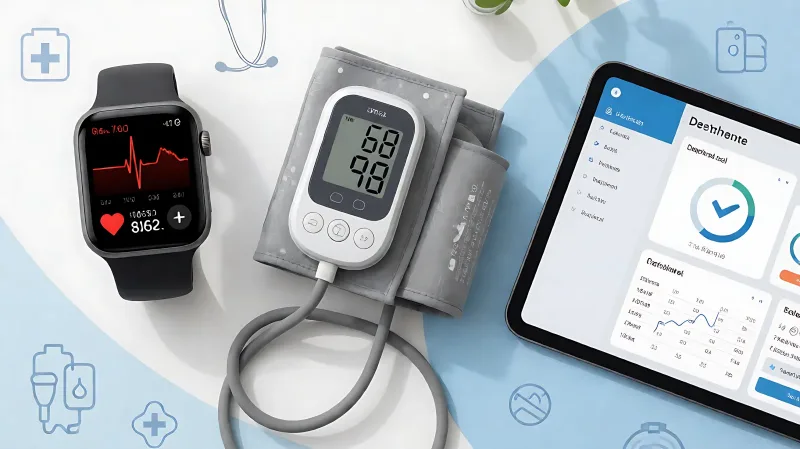
The global shift toward continuous, at-home hypertension care is accelerating. Learn how smart wearables, AI analytics, and remote monitoring are reshaping the blood pressure device market for 2026 and beyond.
The global market for blood pressure monitoring devices is valued at approximately 4.2 billion dollars in 2025, with analysts predicting it will reach 8.6 billion dollars by 2033. This growth is driven by rising hypertension rates and the rapid adoption of smart, non-invasive monitoring technologies that allow for continuous care at home.
How is the market growing?
According to Grand View Research, the blood pressure monitoring sector is expanding at a compound annual growth rate of 9.3 percent from 2026 to 2033. North America currently leads the global revenue share with 35.8 percent in 2025, largely due to high healthcare spending and widespread hypertension awareness. However, Asia Pacific is projected to be the fastest-growing region as urbanization and lifestyle changes increase the prevalence of cardiovascular diseases in that area.
Hospitals remain the dominant end-use segment, holding over 52 percent of the market in 2025. Yet the balance is shifting. Homecare and ambulatory settings are gaining traction as patients and insurers prefer remote monitoring. This trend supports early detection of complications and reduces costly hospital readmissions, making home-based devices a key focus for manufacturers and providers alike.
What new technologies are changing monitoring?
How are wearables evolving?
Traditional cuffs are being joined by cuffless, wearable sensors that use advanced algorithms to estimate pressure continuously. Nanowear’s SimpleSense-BP, which received FDA clearance in recent years, marks a significant milestone in non-invasive continuous monitoring. Similarly, major tech companies are investing in clinical-grade accuracy. Apple, for instance, is exploring liquid-filled pressure sensors for future smartwatch models, aiming to bridge the gap between consumer electronics and medical devices.
Academic research is also contributing to this shift. Caltech has developed resonance sonomanometry, a method that uses sound waves and ultrasound for non-invasive readings. These innovations raise consumer expectations for comfort and real-time data, pushing the industry toward premium, high-precision tools that can be worn throughout the day without disrupting daily life.
What role does AI play?
Artificial intelligence is no longer just a buzzword; it is becoming central to how data from blood pressure monitors is interpreted. AI systems now analyze heart rate, respiratory rate, and activity trends to predict health risks before they become emergencies. For example, Philips’ Healthdot wearable tracks vital signs and transmits them to clinicians via the smartQare platform. This seamless data flow helps transition patients from hospital to home care safely.
Additionally, AI is improving diagnostic efficiency. Tools like the iRhythm Zio Patch, paired with ZEUS AI, can detect arrhythmias with high accuracy, reducing the time cardiologists spend reviewing ambulatory data. In the broader context of chronic disease management, companies like iWown are integrating AI cloud services to provide senior care solutions. Their smartwatches offer blood pressure tracking, fall detection, and GPS geofencing, enabling caregivers to monitor vulnerable populations in real time.
Why is remote patient monitoring critical?
The shift toward remote patient monitoring (RPM) is reshaping how hypertension is managed. With an estimated 1.4 billion adults aged 30 to 79 affected by hypertension globally, according to the World Health Organization, the need for scalable solutions is urgent. A major concern is that around 600 million of these individuals are unaware they have the condition. RPM facilitates continuous tracking outside clinical settings, helping to close this detection gap.
Insurers and healthcare providers are increasingly supporting RPM because it improves outcomes and boosts patient engagement. By using Bluetooth-enabled monitors and health apps, patients can share their readings instantly with their care teams. This proactive approach allows for timely medication adjustments and lifestyle changes, potentially preventing heart attacks and strokes. The integration of these technologies is particularly important for aging populations, where maintaining independence while ensuring safety is a priority.
| Technology | Key Function | Benefit |
|---|---|---|
| Wearable Patches | Continuous cuffless monitoring | All-day data without interruptions |
| AI Analytics | Predictive risk assessment | Early warning for health complications |
| Cloud Platforms | Real-time caregiver alerts | Enhanced support for seniors and chronic patients |
Frequently Asked Questions
Are cuffless blood pressure monitors accurate enough?
While traditional cuffs remain the gold standard for clinical diagnosis, new cuffless technologies are achieving high accuracy through advanced sensor fusion and AI calibration. Devices like the SimpleSense-BP have received regulatory clearance for specific use cases, but most consumer-grade wearable options are best used as trend indicators rather than definitive diagnostic tools. Users should always consult a healthcare provider before relying solely on these devices for medication decisions.
How does remote monitoring help with insurance costs?
Remote patient monitoring can reduce long-term healthcare costs by preventing emergency hospitalizations. By detecting early signs of uncontrolled hypertension, providers can intervene with lifestyle advice or medication adjustments in the clinic or via telehealth. Insurers often cover these services because they lead to better chronic disease management and lower readmission rates, which are a major expense in the US and UK healthcare systems.
What should I look for in a home blood pressure monitor?
When choosing a monitor, look for validated devices that are recognized by major hypertension societies. Features such as Bluetooth connectivity, automatic logging to a smartphone app, and irregular heartbeat detection add value for home users. For seniors or those managing multiple conditions, a device that integrates with a caregiver portal or remote patient monitoring service can provide an extra layer of safety and convenience.