Wearable Tech for Blood Sugar: Best Devices
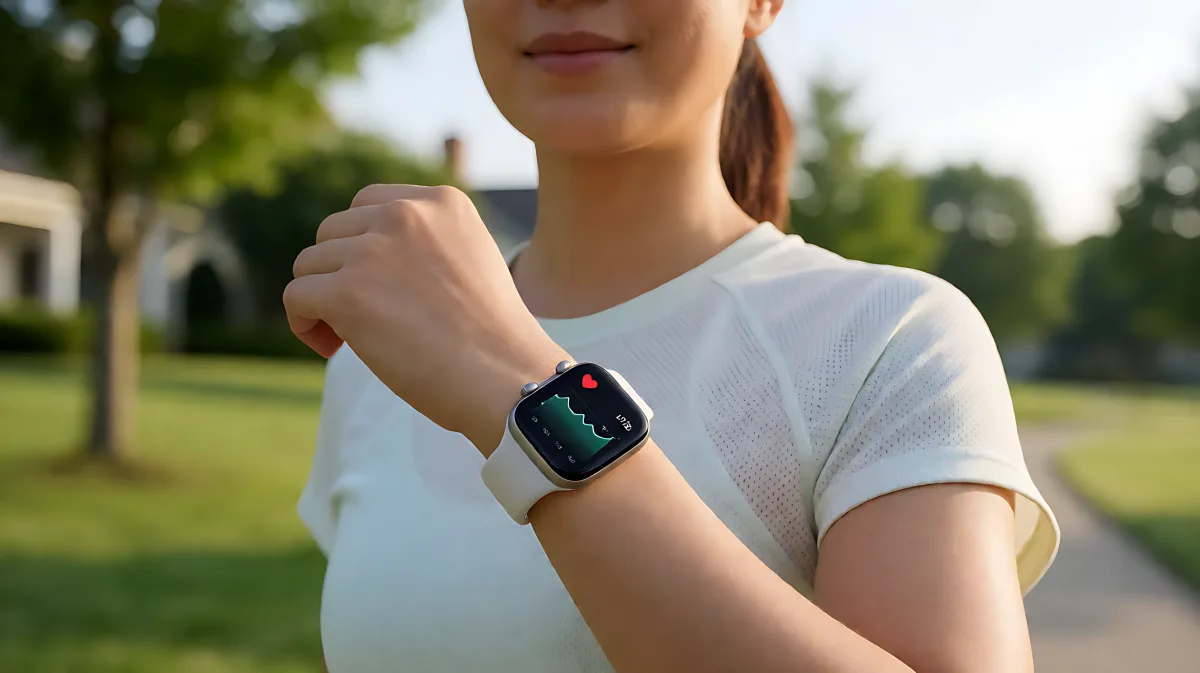
Wearable devices now offer real-time insights into glucose trends and lifestyle factors that impact blood sugar. From FDA-approved CGMs paired with smartwatches to activity trackers that correlate sleep and stress with glycemic spikes, these tools empower users to take proactive control of their metabolic health.
Wearable health tech in 2026 manages blood sugar by pairing continuous glucose monitors (CGMs) with smartwatches to provide real-time glucose trends, alerts, and lifestyle data. Devices like the Apple Watch and Garmin displays now sync directly with CGM systems from Dexcom and Abbott, while the Oura Ring tracks sleep and stress factors that influence glycemic control. This integration allows users to make immediate dietary and activity adjustments, significantly improving metabolic outcomes compared to traditional lab testing.
How Wearables Transform Blood Sugar Management
Managing glucose levels no longer requires waiting for a doctor's appointment or relying on finger-stick tests. Modern wearables offer a continuous stream of data that highlights the relationship between lifestyle choices and blood sugar spikes. The American Diabetes Association recommends at least 150 minutes of moderate physical activity per week, and wearables help users track step counts and heart rate intensity to meet these goals without overexertion. By correlating physical activity with glucose readings, users can identify specific exercises that improve their insulin sensitivity.
Which Wearable Devices Are Best for Glucose Tracking?
The right device depends on whether you use insulin or manage type 2 diabetes through lifestyle changes. Below is a breakdown of the leading options available in 2026.
Apple Watch and Integrated CGM Apps
The Apple Watch remains a top choice for iOS users, offering direct glucose readings from compatible CGM systems like Dexcom G7 and Abbott Libre. Battery life varies between 18 and 42 hours depending on the model, with prices ranging from $249 to $799. Advanced features include automated insulin delivery controls for systems like Medtronic MiniMed 780G, allowing users to deliver insulin boluses directly from the wrist.
Garmin and Android Options for Android Users
For Android phone owners, Samsung Galaxy Watch and Google Pixel Watch models display CGM data via companion apps. Garmin watches are particularly popular among athletes, offering robust GPS and battery lives up to 30 days for rugged models. The Dexcom Connect IQ app enables Garmin users to view glucose trends and heart rate simultaneously, with prices starting at $250 for basic models.
Oura Ring and Discrete Trackers
The Oura Ring provides a less obtrusive option for those who prefer a ring over a watch. It integrates with Dexcom Stelo, an over-the-counter CGM for adults with type 2 diabetes who do not use insulin. The ring tracks heart rate variability, temperature, and sleep, offering stress and recovery insights that correlate with glucose stability. Hardware costs between $349 and $449, with a monthly subscription of $5.99 for advanced analytics.
Is Wearing a Smartwatch Enough to Monitor Blood Sugar?
Many families assume that a standard smartwatch can detect low or high blood sugar on its own, but in fact, no smartwatch in the US is currently FDA-approved to measure glucose levels directly through the skin without a separate sensor. Smartwatches act as display units for data generated by continuous glucose monitors (CGMs). While CGMs are minimally invasive and FDA-approved for diabetes management, they are distinct from the watch itself. Over-the-counter CGMs like Abbott’s Lingo and Dexcom’s Stelo allow users without a prescription to track metabolic health, but they only measure glucose and do not provide the broader biometric data that activity trackers offer.
How to Use Wearable Data to Improve Lifestyle Habits
Data is only useful if it leads to action. Use your wearable to identify patterns that trigger glucose spikes. For example, a patient in their 40s reported by endocrinologist Dr. Lucy Esteve used a CGM for two weeks and discovered reactive hypoglycemia after high-carb meals. By adjusting her diet to include high-protein snacks every two to three hours, her symptoms of shakiness and fatigue improved dramatically. To replicate this success, follow this checklist to optimize your routine:
- Log Meals and Symptoms: Use your phone's health app to log carbohydrate intake and any symptoms like dizziness or fatigue immediately after eating.
- Check Sleep-Quality Correlations: Review your sleep score alongside glucose trends to see if poor sleep leads to higher fasting glucose the next morning.
- Adjust Activity Intensity: If your heart rate stays low during walks, increase your pace to reach the moderate intensity zone recommended by the American Diabetes Association.
- Share Data with Your Provider: Download weekly trends from your CGM app to show your healthcare provider during appointments, ensuring accurate medication adjustments.
What Are the Limitations of Wearable Health Tech?
While powerful, these devices have constraints. Accuracy in CGMs can vary within an acceptable range, and over-the-counter models often lack high or low glucose alerts. Data privacy is another concern, so it is vital to ensure your devices use encryption and are connected to secure networks. Insurance coverage for these technologies is improving, but out-of-pocket costs can still be a barrier for some patients. Additionally, wearables should not replace professional medical evaluation; they are tools for engagement, not a substitute for a diagnosis.
Frequently Asked Questions
Can a wearable replace my finger-stick glucose meter?
For most people with diabetes, a continuous glucose monitor paired with a wearable can replace finger-sticks for daily management. However, finger-sticks are still recommended for calibration or when CGM readings do not match symptoms. Always confirm with your healthcare provider before discontinuing finger-sticks.
Do I need a prescription for an over-the-counter CGM?
No. Devices like Dexcom Stelo and Abbott Lingo are available over-the-counter in the US for adults managing type 2 diabetes or prediabetes without a prescription. They are designed for users who do not use insulin but want to track their metabolic health.
How accurate are smartwatch glucose readings?
Smartwatches do not measure glucose directly. They display data from a separate CGM sensor. The accuracy of the CGM itself is the limiting factor, typically within a 15% deviation from laboratory glucose values, which is considered clinically acceptable for most management purposes.
Can wearables help prevent type 2 diabetes?
Yes. By tracking activity, sleep, and glucose trends, wearables can help individuals with prediabetes identify habits that cause glucose spikes. The American Diabetes Association notes that over one-third of the US population has prediabetes, and wearables provide the immediate feedback needed to make lifestyle changes before a diabetes diagnosis is required.