Best Wearable for Caregivers to Prevent Burnout
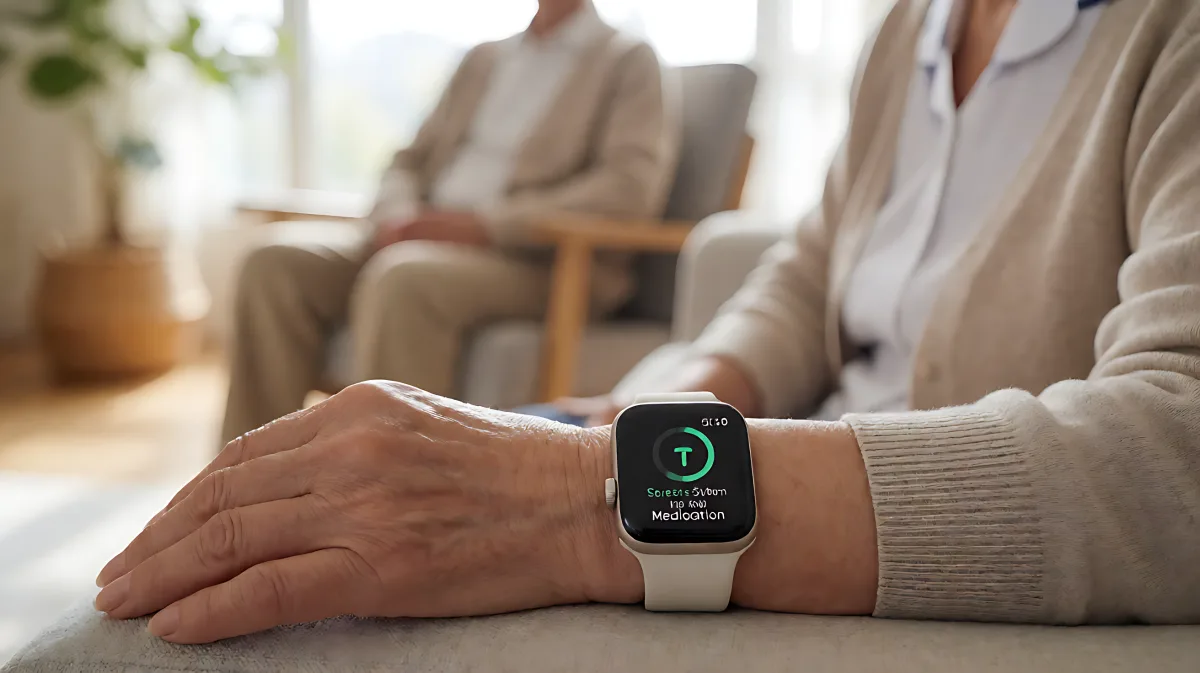
You can significantly reduce cognitive load and prevent burnout by consolidating fragmented routines into a single wearable device. The best options offer multi-day battery life, stress monitoring, and medication reminders that save an average of 7 to 12 minutes of screen-switching every day.
Managing daily care routines with multiple devices creates unnecessary cognitive load. By adopting a single wearable designed for self-management, caregivers can consolidate reminders, monitor stress, and save an average of 7 to 12 minutes of screen-switching per day. This streamlined approach helps prevent the rapid escalation of burnout by providing objective data on your physical state.
Why a Single Wearable Beats a Fragmented Tech Setup
Many families assume that more specialized devices lead to better care, but in fact, juggling a separate pedometer, a medication alarm, and a paper logbook creates "three points of failure." Each device requires its own charging and can easily be misplaced. A unified smartwatch acts as a central hub, allowing you to anchor your morning routine, guard against midday burnout, and document evening handovers without unlocking your phone repeatedly.
The scale of this challenge is immense. According to AARP and the National Alliance for Caregiving, 63 million Americans provide ongoing family care, with the typical caregiver clocking 27 hours a week. As of 2026, 55 percent of unpaid caregivers aged 50 and older already use at least one digital tool to manage routines. Consolidating these tools into one wrist-worn device is the fastest way to reduce mental fatigue while maintaining safety protocols.
What Features Should You Prioritize in a Caregiver Wearable?
When selecting a device, prioritize functionality over flashy extras that drain power. The ideal wearable must survive long, unpredictable caregiving shifts. Focus on these non-negotiable specs:
- Multi-Day Battery Life: Look for a minimum of 48 hours of mixed use. For example, the Fitbit Sense 2 claims up to 6 days, while the Apple Watch Series 10 offers around 36 hours. Disabling the always-on display can extend these ranges significantly.
- Water Resistance: A rating of IP68 or 5 ATM is essential to withstand constant handwashing and accidental immersion during physical care tasks.
- Stress and HRV Tracking: Heart rate variability (HRV) provides an objective signal of stress before subjective burnout hits. Apple Watch and Samsung Galaxy Watch models use optical sensors to prompt breathing exercises when stress spikes are detected.
- Fall Detection and SOS: All major flagships now include this safety net, allowing the watch to auto-dial emergency contacts if a hard fall is detected.
How Do You Set Up Your Smartwatch for Daily Caregiving?
To get the most value, treat the watch face as your command center. You should not need to open your phone between wake-up and the evening handover. Start by identifying three to four core functions, such as medication reminders, hydration cues, and step counts.
Load your chosen watch face with only four or five "glanceable" complications. These might include the next medication dose, current heart rate, step count, and a shortcut to a voice notes app like Otter.ai for quick documentation. If your care recipient's schedule changes frequently, build recurring reminders with a flexible 15-minute window rather than exact times. This prevents a single missed moment from cascading into a missed dose.
Can Wearable Data Actually Prevent Caregiver Burnout?
Yes. Burnout often stems from the relentless cycle of vigilance and lost sleep. Wearables break this pattern by providing reliable updates that allow you to unwind during breaks without anxiety. A study highlighted that caregiver users of these devices had 1.1 times higher odds of meeting physical activity guidelines.
By monitoring your own sleep and stress levels, you can introduce support when solo caregiving becomes unmanageable. For instance, if your HRV data shows chronic elevation, it is an objective cue to seek respite care or schedule a 10-minute recovery routine. This shifts your approach from reactive crisis management to proactive strategic response.
How Do You Manage Privacy and Data Sharing Safely?
Caregivers who share biometric data with family or doctors should enable granular permissions. Most consumer platforms allow you to restrict what is visible to others. This privacy lever is rarely used but is critical for maintaining trust, especially when dealing with sensitive health metrics like blood oxygen or heart rate irregularities.
Frequently Asked Questions
How many minutes does a wearable actually save per day?
On average, caregivers save 7 to 12 minutes daily by eliminating screen-switching between separate apps, paper logs, and standalone trackers. This amounts to over an hour a week reclaimed for self-care or rest.
Which smartwatch is best for long shifts?
Devices with multi-day battery life are best. The Fitbit Sense 2 offers up to 6 days of battery, making it ideal for long shifts, while the Apple Watch Series 10 and Samsung Galaxy Watch 7 offer strong health features with 36-40 hour life spans.
Do these devices monitor the patient or the caregiver?
For burnout prevention, the device should primarily monitor the caregiver's own stress and activity levels. While many watches can monitor patients for falls or vitals, the self-management aspect is key to reducing the caregiver's cognitive load.
Can I use the watch if I have mobility issues?
Yes. Wrist-worn devices are generally more accessible than other wearables. Look for models with larger buttons or voice-control features to navigate reminders and logs without complex finger movements.