How to Start a Garden in 2026: Design, Plants, & Tips
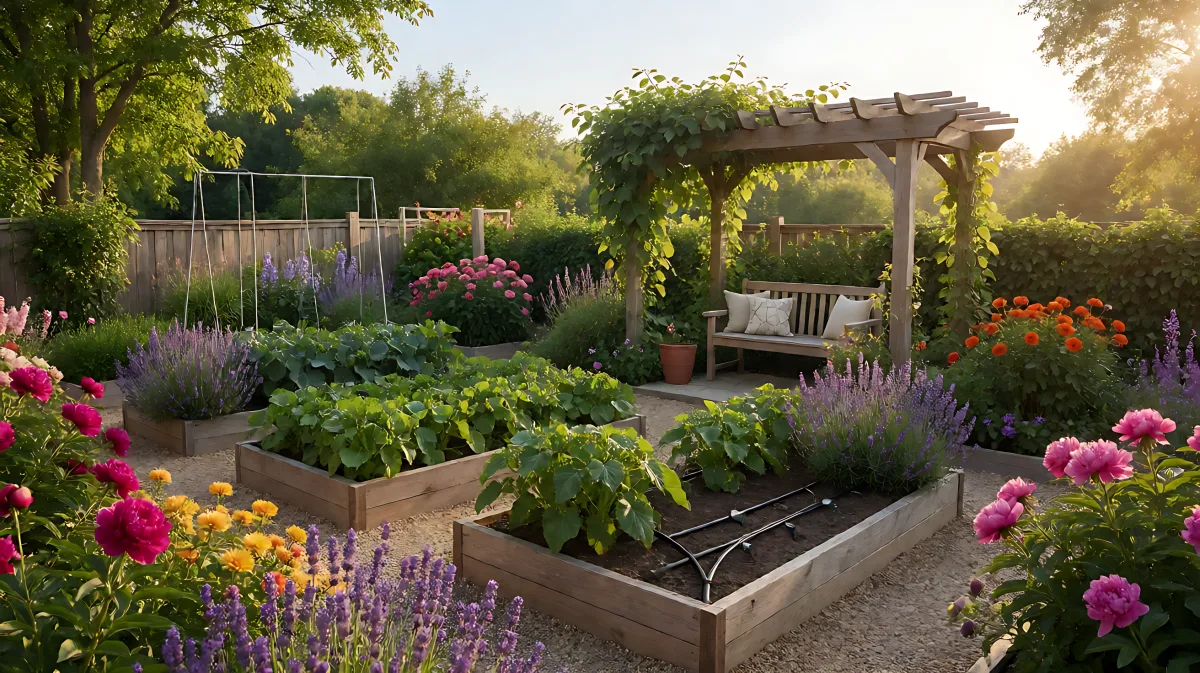
Starting a garden in 2026 is easier than ever with modern tools and design insights. This guide covers layout planning, plant selection, and maintenance tips for both flowers and food crops.
A garden is a managed outdoor space where nature and human design blend to provide beauty, food, and relaxation. For beginners in 2026, the key is starting small with raised beds for food and layered plantings for aesthetics, ensuring a manageable layout that fits your specific climate zone and available sunlight.
What Is a Modern Garden Actually?
While the word garden traces back to ancient enclosures for protection, today's concept has evolved into a flexible sanctuary. It is not just about digging in the dirt; it is about creating a controlled environment where both natural elements and artificial features coexist. In residential settings, this means balancing ornamental flowers with productive crops. The Royal Horticultural Society, a leading UK-based body, emphasizes that a garden can range from a minimalist Zen-style rock arrangement to a lush, tropical-style jungle in a backyard. The defining feature remains control: even a wild-looking meadow is a garden because it is planned and maintained with intent.
How Do You Plan a Garden Layout for Beginners?
Effective garden design in 2026 prioritizes functionality and accessibility. Before buying plants, observe your space for at least two weeks to track sun patterns and drainage issues. A common beginner mistake is overplanting. Instead, focus on a small, defined area to start. Consider these structural elements to enhance the space:
- Permeable Paving: Use gravel or wood chips for paths to reduce erosion and support rain gardens.
- Raised Beds: These improve soil quality, reduce weeds, and are easier on the back for gardeners of all ages.
- Water Features: A simple birdbath or small pond can increase biodiversity and add a calming auditory element.
Which Plants Are Best for a First-Year Garden?
Success in the first year depends on choosing plants that match your local hardiness zone. In the US, the USDA hardiness map is the standard reference, while in the UK, the Royal Horticultural Society provides detailed growing guides for specific regions. For food production, hardy herbs like rosemary, thyme, and basil are low-maintenance and highly useful in cooking. For ornamental value, select perennials that bloom in different seasons to ensure year-round interest.
- Spring: Tulips and crocuses are easy to plant in late autumn and flower early.
- Summer: Tomatoes and marigolds are classic choices that also help deter pests.
- Autumn/Winter: Evergreens like boxwood or holly provide structure when flowers are dormant.
What Are the Environmental Impacts of Gardening?
Gardening is often seen as eco-friendly, but it can have negative impacts if not managed sustainably. In the UK and US, there is growing concern over the use of peat moss, a material that releases carbon when dried and used in pots. In 2026, many garden centers are shifting to peat-free composts to meet stricter environmental standards. Additionally, runoff from fertilizers can harm local waterways. To mitigate this, experts recommend using organic mulch and composting garden waste. The World Wildlife Fund notes that creating a "wild corner" with leaf litter or a log pile can offset some of the carbon footprint associated with regular gardening activities by providing habitats for invertebrates.
How Can You Make Your Garden More Accessible?
Inclusive design is a major focus in modern landscaping. Many new developments and renovations incorporate wheelchair-friendly paths and raised containers that sit at waist height. This is particularly important for senior gardeners and those with limited mobility. The American Horticultural Society highlights that vertical gardening using trellises or wall-mounted planters can save space and make harvesting easier. Ensuring that paths are wide enough for two wheelchairs to pass and that plants are labeled clearly can make the experience enjoyable for all users. Simple adaptations, such as ergonomic tools with non-slip grips, can also transform the tedium of weeding into a more manageable task.
What is the difference between a garden and a farm?
A garden is typically smaller, labor-intensive, and designed for personal enjoyment or subsistence. A farm is larger, uses mechanized equipment, and is primarily focused on commercial production for sale.
When is the best time to plant vegetables in 2026?
Spring planting usually occurs after the last frost date, which varies by region. In the UK, this is often March to April. In the US, it depends on your specific USDA zone, but mid-April is a common benchmark for temperate climates.
Do I need permission to plant a tree in my garden?
Generally, no, but you should check local council bylaws in the UK or HOA rules in the US, especially regarding protected species or trees that may encroach on neighbor's property.