Barrier-Free Home Modifications for Seniors: Costs & Grants
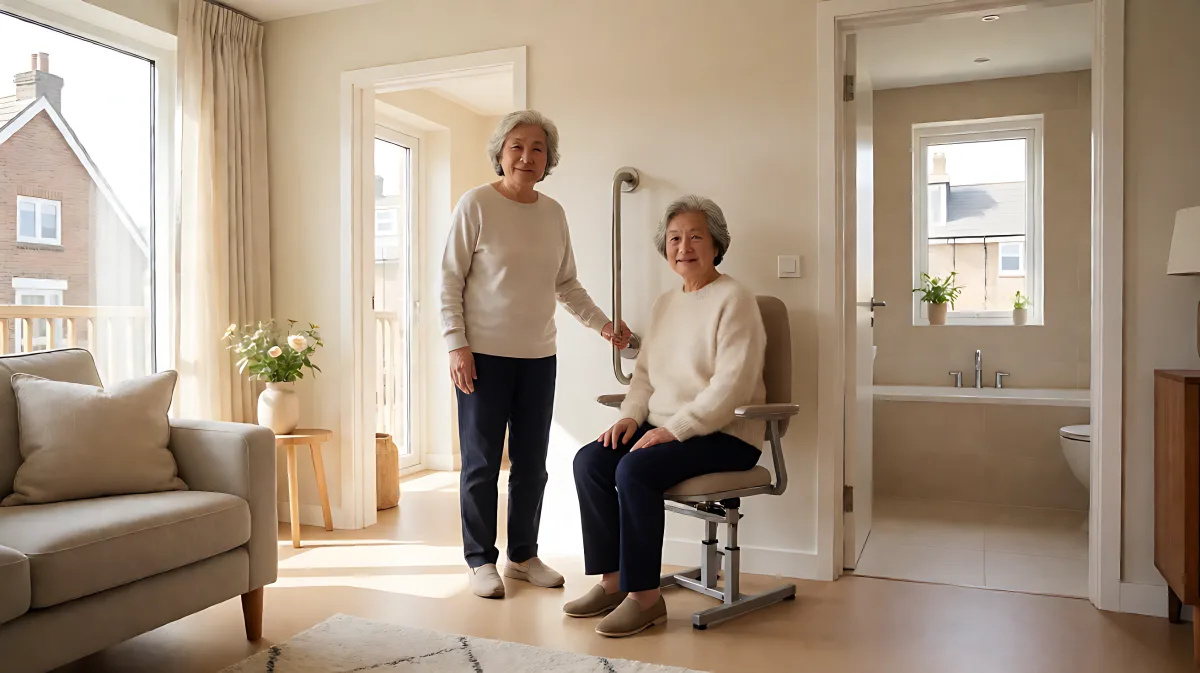
Make your home safer for seniors with strategic barrier-free modifications. Learn which upgrades prevent falls, what they cost in 2026, and how to access financial aid.
Barrier-free home modification involves adjusting your living space to eliminate trip hazards, improve mobility, and enhance safety for older adults. Prioritize low-cost changes like installing grab bars and non-slip flooring, which significantly reduce fall risks. In 2026, the U.S. Census Bureau reports that 11,400 Americans turn 65 every day, driving demand for these accessible features. About 75% of adults over 50 wish to remain in their current homes, making effective modifications essential for independent living.
What are the most critical barrier-free modifications for seniors?
The most impactful changes target the bathroom, bedroom, and stairs, where most falls occur. Many families assume that a full bathroom remodel is the only safe option, but in fact, targeted upgrades like a comfort-height toilet and a curbless shower entry provide the highest safety return on investment. According to 2026 RemodelMax cost data, installing a pair of grab bars costs between $50 and $300, making it the most affordable high-priority modification. Stair lifts represent the largest investment, with straight models ranging from $3,000 to $5,000 installed, while curved systems can reach $15,000.
How should you prioritize your renovation budget?
Start with reversible, low-cost safety measures before committing to structural changes. A recommended three-stage approach ensures you address immediate fall risks without overhauling the entire home.
- Immediate Safety (Under $100): Replace standard light bulbs with higher-lumen LEDs, add motion-activated nightlights along the path to the bathroom, and swap door handles for lever-style options.
- Medium-Term Fixes ($150 to $15,000): Install grab bars anchored to wall studs, fit a front entry ramp if needed, and obtain quotes for a stair lift.
- Major Structural Work ($6,000+): Convert standard tubs to walk-in or curbless showers and widen doorways to at least 32 inches to accommodate wheelchair turning radii.
What specific guidelines should you follow for installation?
Correct placement matters as much as the hardware itself. Grab bars should be mounted at a height of 33 to 36 inches from the floor and must have a diameter of 1.25 inches for a secure grip. For bathrooms, a comfort-height toilet should have a seat height between 17 and 19 inches. In the bedroom, place a medical alert device within arm reach of the bed and clear the floor of throw rugs and cords. While these are structural considerations, you can also look into funding options that help cover these specific expenses.
How can seniors finance these home modifications?
Several government and nonprofit programs help offset the cost of accessibility upgrades. For veterans, the Department of Veterans Affairs offers the Specially Adapted Housing (SAH) and Special Housing Adaptation (SHA) grants, which cover costs for ramps, wider hallways, and accessible bathrooms. In California, the Los Angeles Housing Department administers the Handyworker Program, which provides up to $5,000 in free repairs for eligible homeowners who are 62 years or older or live with a permanent disability. The Los Angeles County Development Authority also offers a Senior Grant Program for low-income homeowners in unincorporated areas, providing up to $20,000 for home rehabilitation and barrier removal.
Who is eligible for free or subsidized home repairs?
Eligibility typically depends on household income and age. For the Handyworker Program in Los Angeles, a single-person household must have an annual income of $93,300 or less, while a four-person household limit is set at $133,250. Applicants must own and live in a single-family home; multi-family properties like duplexes are generally not eligible. Nonprofit organizations and area agencies on aging also offer smaller grants for specific items like grab bars and ramps, often requiring a medical certification of need.
What mistakes should you avoid when modifying your home?
A common error is using suction-cup grab bars, which lack the structural support needed to prevent a fall and must always be mounted to wall studs or reinforced blocking. Another oversight is ignoring lighting contrast; using bright, white light can cause glare, whereas warm-tone LEDs around 2700K are less disruptive to sleep while still providing visibility. Finally, do not forget the importance of wall blocking. If you are opening walls for other reasons, it is cost-effective to install reinforced blocking now, allowing you to mount grab bars anywhere in the future without reopening the drywall.
| Modification | Estimated Cost (2026) | Priority |
|---|---|---|
| Grab bars (installed pair) | $50 to $300 | High |
| Comfort-height toilet | $300 to $700 | High |
| Straight stair lift | $3,000 to $5,000 | High |
| Curbless shower | $3,000 to $15,000 | High |
| Wider doorway | $500 to $1,500 | Medium |
Frequently Asked Questions
Do home modification grants have income limits?
Yes, most federal and state programs, such as the HUD HOME Investment Partnerships and local senior grant programs, require applicants to fall below a certain percentage of the Area Median Income (AMI). For example, many California programs target households earning 80% or less of the local area median income.
Can I get a grant for just a stair lift?
While specific grants for only a stair lift are rare, broader accessibility grants often cover mobility aids like lifts if they are deemed necessary for independence. The VA SAH and SHA grants are more flexible and may cover the cost of a stair lift for eligible veterans with service-connected disabilities.
What is the best lighting for a senior's bedroom?
Use motion-activated nightlights with warm-tone LEDs (around 2700K) along the path to the bathroom. Avoid high-lumen, blue-light sources at night as they can disrupt sleep cycles, but ensure the floor path is clearly visible to prevent tripping in the dark.
Are townhomes eligible for the Handyworker Program?
No, the Los Angeles Housing Department's Handyworker Program explicitly excludes multi-family properties, including townhomes, duplexes, and triplexes. Eligibility is restricted to single-family homes and most mobile homes located within the City of Los Angeles.