AFib Triggers: Alcohol, Caffeine & Sleep Apnea
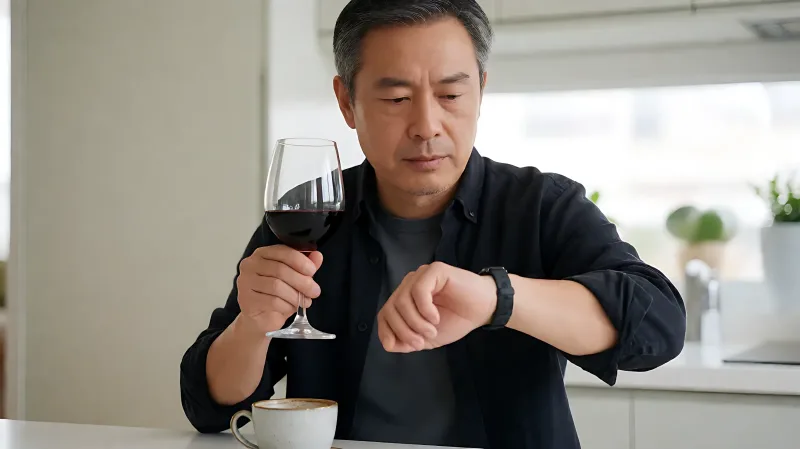
Alcohol, excessive caffeine, and untreated sleep apnea are significant triggers for atrial fibrillation. Learn how these lifestyle factors impact heart rhythm and what you can do to stay safe.
Atrial fibrillation (AFib) is often triggered by specific lifestyle factors, with alcohol, caffeine, and sleep apnea being the most common. According to Harvard Health, limiting alcohol to three drinks per week and maintaining moderate caffeine intake can significantly reduce the risk of episodes. Treating underlying sleep disorders is also critical for heart health.
For more information, see MedlinePlus medical encyclopedia from the National Library of Medicine.
How does alcohol trigger atrial fibrillation?
Alcohol is a well-documented trigger for irregular heart rhythms. A group of experts from the American Heart Association and other organizations reviewed evidence in the medical journal Circulation, confirming that alcohol increases the risk of AFib attacks. The condition is not just about heavy drinking; even moderate consumption can affect the vagus nerve, which controls heart rate. This nerve activity can cause transient episodes of fibrillation, known as "holiday heart syndrome." For individuals with a history of recurring AFib, randomized trials show that abstinence leads to fewer attacks compared to those who continue drinking. The consensus among cardiologists is that if you are prone to AFib, limiting intake to no more than three alcoholic drinks per week is a safer threshold.
Is caffeine a safe habit for people with AFib?
Unlike alcohol, the link between caffeine and AFib is more nuanced and generally less concerning. Both observational studies and randomized trials indicate that consuming caffeinated beverages in usual amounts does not increase the risk of a new AFib attack. Dr. Anthony L. Komaroff of Harvard Health notes that while caffeine is a stimulant that can raise heart rate, it is not a primary cause for most patients. However, individual sensitivity varies. If you feel that coffee, tea, or energy drinks worsen your symptoms, it is prudent to reduce or eliminate them. Energy drinks, which contain high doses of caffeine along with other stimulants, should be avoided by anyone with heart rhythm issues. A reasonable guideline is to keep caffeine intake to about two cups of coffee per day.
Why is sleep apnea a major AFib risk factor?
Obstructive sleep apnea (OSA) is a strong independent risk factor for developing atrial fibrillation. When the airway collapses during sleep, oxygen levels drop, and the heart beats faster to compensate. This strain can lead to inflammation and electrical instability in the heart chambers. Studies published by the American Heart Association highlight that untreated sleep apnea significantly increases the likelihood of persistent AFib. Furthermore, research suggests that treating sleep apnea, often with continuous positive airway pressure (CPAP) therapy, can improve AFib outcomes. If you snore loudly or wake up feeling unrefreshed, discuss screening for sleep apnea with your physician, as addressing this condition may help stabilize your heart rhythm.
What other lifestyle habits influence heart rhythm?
Beyond alcohol, caffeine, and sleep, several other factors can trigger AFib. Smoking is a major culprit; a recent analysis found that cigarette smoking was linked to a 40 percent increased odds of developing AFib in women. Quitting smoking has been shown to lower this risk over time. Obesity also plays a role, as excess visceral fat can cause inflammation around the heart and strain the heart muscle. Maintaining a healthy weight through diet and regular physical activity, such as brisk walking for 150 minutes per week, is recommended by the National Institutes of Health for cardiovascular health. Additionally, over-the-counter medications containing decongestants like pseudoephedrine can stimulate the heart and should be reviewed with a doctor if you have a history of arrhythmia.
How can I manage my triggers daily?
Keep a diary of your symptoms to identify personal triggers. Note when you drink alcohol, your caffeine consumption, and your sleep quality. Share this log with your healthcare provider to tailor your management plan. Regular check-ins with your cardiologist are essential for monitoring your heart health and adjusting any medications or lifestyle recommendations.
Frequently Asked Questions
Can I drink wine safely if I have AFib?
Yes, but in moderation. The American Heart Association suggests that for those with recurring AFib, limiting alcohol to three drinks per week is advisable. Some individuals may need to abstain completely to prevent episodes. Consult your doctor to determine what is safe for your specific health profile.
Does decaf coffee affect heart rhythm?
Decaf coffee contains very little caffeine and is generally considered safe for most people with AFib. However, individual responses vary. If you experience symptoms after drinking decaf, it may be due to other components in the beverage or personal sensitivity. Monitor your body's reaction.
How quickly can sleep apnea treatment help AFib?
Treating sleep apnea with CPAP therapy can lead to improvements in AFib symptoms, though results vary. Some patients see a reduction in AFib burden within months of consistent use. It is not a cure, but it is a crucial part of managing the underlying strain on the heart caused by poor sleep quality.
Are energy drinks worse than regular coffee?
Energy drinks are often worse for heart health because they contain high doses of caffeine plus other stimulants like guarana or taurine. This combination can be more likely to trigger arrhythmias than a standard cup of coffee. Avoid energy drinks if you have AFib.