Anti-Aging Supplement Evidence | Longevity Facts
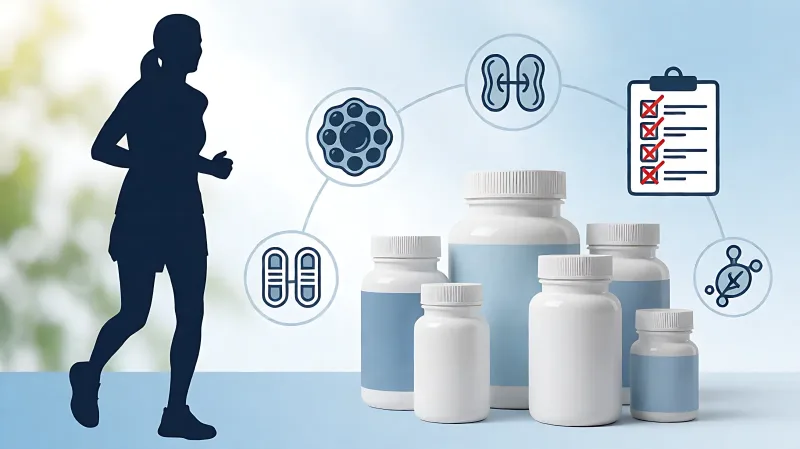
Millions of adults take supplements for longevity, but science shows most anti-aging claims lack human evidence. We break down the gap between marketing and medical reality.
Most anti-aging and detox supplement claims lack robust human evidence for extending lifespan. While specific nutrients can correct deficiencies and support heart or bone health, no supplement has been proven to reverse aging. Major health organizations like the National Institute on Aging emphasize that aging involves complex biological changes that a single pill cannot undo.
For more information, see NIA exercise and physical activity guidance from the National Institute on Aging.
Do supplements actually reverse aging?
The short answer is no. Dr. John P. Cooke, chair of cardiovascular sciences at Houston Methodist Academic Institute, notes that aging is not a single process but a collection of interconnected biological changes. These include mitochondrial dysfunction, DNA damage accumulation, and cellular senescence. Because aging is multifactorial, no single intervention is likely to successfully stall or reverse the entire process. The allure of anti-aging supplements often stems from their marketing, which focuses on individual biological pathways like oxidative stress rather than the complex whole-system decline of human aging.
What does the CDC say about supplement use?
According to data from the Centers for Disease Control and Prevention, more than 60% of U.S. adults take at least one dietary supplement, with nearly 39% taking two or more. Usage rises significantly with age. This widespread habit reflects a shift from using supplements to treat specific deficiencies, like scurvy, to a broader quest for wellness and longevity. However, widespread use does not equate to proven efficacy for life extension.
Which longevity claims have strong evidence?
Strong evidence generally supports supplements that address specific nutritional gaps or health conditions, rather than vague "longevity" goals. The National Institute on Aging and clinical guidelines support the use of:
- Vitamin D and Calcium: Beneficial for individuals with low levels or high risk of osteoporosis to support bone health.
- Omega-3 Fatty Acids: May support heart health in specific patients, though they are not a standalone solution for longer life.
- Protein and Creatine: Can help older adults maintain muscle mass and strength when combined with resistance training, which is crucial for independence and fall prevention.
These benefits are rooted in correcting deficiencies or supporting physical function, not in altering the fundamental biology of aging.
Why are "detox" and "longevity" claims often misleading?
Many supplements market themselves as "detox" agents or "cellular rejuvenation" products, but the human body already has efficient organs for detoxification, namely the liver and kidneys. Claims that a supplement can "reset hormones" or "switch on longevity genes" are largely unproven. Dr. Cooke points out that while concepts like antioxidant therapy sound biologically plausible, they often fail to translate into meaningful human benefits. A change in a lab marker does not guarantee a longer or healthier life.
How can you evaluate supplement evidence?
To separate fact from marketing, look for the quality of the research behind a claim. The strongest evidence comes from randomized controlled trials in humans, followed by systematic reviews. Animal studies or cell culture results are not sufficient to prove that a supplement will help people age better. Additionally, specific outcomes matter. A supplement that reduces a biomarker like inflammation may still not improve functional health or reduce mortality. Be wary of proprietary blends that list vague ingredients without specific dosages or clear human trial data.
Frequently Asked Questions
Can supplements replace a healthy lifestyle?
No. No supplement has been shown to override the benefits of a balanced diet, regular physical activity, adequate sleep, and social connection. Lifestyle factors remain the most powerful drivers of healthy aging.
Is there any evidence for anti-aging pills like NMN or Resveratrol?
While these compounds show promise in animal models, there is currently a lack of strong, large-scale human evidence proving they extend lifespan or significantly reverse aging in people.
Do detox supplements clean out toxins?
Your liver and kidneys already handle detoxification. There is no scientific evidence that supplements can enhance this process or remove toxins more effectively than your body's natural systems.
Who should avoid taking anti-aging supplements?
Individuals taking medication, those with chronic health conditions, and pregnant women should consult a healthcare provider before starting any supplement, as interactions and side effects can occur.
How many hallmarks of aging are there?
Scientists have identified more than a dozen hallmarks of aging, including genomic instability, epigenetic alterations, and loss of proteostasis, which all interact to drive the aging process.