Fasting for Autophagy: How to Build Your Protocol
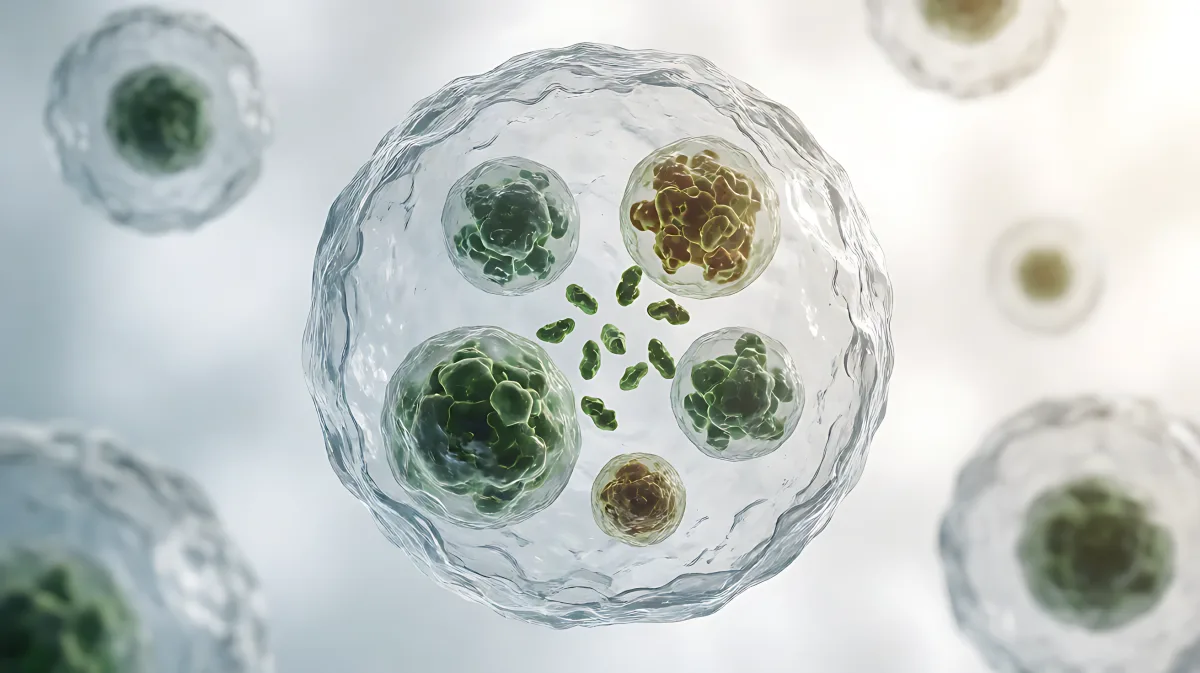
Autophagy is your body's cellular recycling system. This guide explains how fasting triggers this process, provides a step-by-step implementation plan, and highlights common mistakes to avoid for better health outcomes.
Autophagy is your body’s natural cellular recycling process that clears out damaged components to keep cells functioning efficiently. While animal studies suggest autophagy may begin after 24 to 48 hours of fasting, human research indicates that a 12-hour to 16-hour eating window is a practical starting point for inducing metabolic stress. This guide outlines how to safely structure a fasting protocol to support cellular health without risking nutrient deficiencies or muscle loss.
How Does Fasting Trigger Cellular Recycling?
Autophagy, derived from Greek words meaning "self-eating," is essential for cell survival. It involves breaking down old, damaged parts of a cell and reusing the salvageable materials. According to Cleveland Clinic, this process acts as quality control, preventing the accumulation of "cellular junk" that can impair function. When you fast, your body shifts its energy source from external nutrients to internal reserves. This metabolic shift activates specific protein pathways that signal cells to initiate their cleaning cycles.
Many people assume that shorter fasts are always better for autophagy, but in fact, the timing must align with your individual metabolic status. Research cited by Healthline notes that the switch from glucose to ketone production generally occurs after 12 hours without food, though this varies by individual activity levels and glycogen storage. The key trigger is not just time, but the state of nutrient scarcity that activates the AMPK pathway, a cellular sensor for low energy.
What Is the Safest Fasting Window to Start With?
For most adults, a 12:12 eating window is the safest entry point. This means eating for 12 hours and fasting for 12 hours, typically by closing your dinner window at least three hours before bed. This duration allows for an overnight fast that supports metabolic rhythm without placing excessive stress on the body. As you build tolerance, you can progress to a 14:10 window, and eventually a 16:8 window if your training output and sleep remain stable. Consistency is more important than aggressive duration; a daily 12-hour window is superior to an erratic, infrequent 24-hour fast.
What Are the Essential Steps for Implementation?
Before beginning any fasting protocol, it is crucial to establish a baseline and track progress carefully. Follow this checklist to ensure you are supporting autophagy while maintaining muscle mass and metabolic health:
- Book a baseline blood panel including fasting insulin, HbA1c, and ApoB to monitor metabolic markers.
- Set a consistent wake time and an eating window that closes at least three hours before sleep.
- Aim for a protein intake of approximately 1.6 grams per kilogram of body weight daily to protect lean mass.
- Include resistance training at least twice a week, as exercise is a potent inducer of autophagy in skeletal muscles.
- Consume only water, black coffee, or plain tea during the fasting window to avoid breaking the metabolic switch.
Common Mistakes and Misconceptions About Autophagy
One of the most significant misconceptions is that you need extreme, prolonged fasts to see benefits. Cleveland Clinic warns that for individuals with diabetes, heart disease, or those who are pregnant or breastfeeding, drastic changes to eating patterns can be dangerous. Many families assume that "more is better" when it comes to calorie restriction, but in fact, a moderate, sustainable protocol that prioritizes protein and resistance training is far safer and more effective for long-term adherence.
Additionally, do not rely on unproven consumer tests that claim to measure autophagy levels. No current blood or breath test can accurately measure autophagic flux in humans. Focus instead on downstream markers like improved energy, better sleep, and stable blood pressure. As noted by experts at Harrison Healthcare, autophagy is not a magical switch; it is a continuous biological process that is optimized by healthy lifestyle habits, not just starvation.
How Do Diet and Exercise Interact With Fasting?
While fasting is a primary trigger, it does not work in isolation. A ketogenic diet, which derives roughly 75% of calories from fat and 5% to 10% from carbohydrates, can also promote autophagy by lowering glucose and insulin levels. However, dietitians at Healthline caution that ketosis is not a substitute for balanced nutrition. Regular exercise, particularly endurance activities, stimulates autophagy in organs like the liver and pancreas by creating metabolic stress. Combining a 12-hour fasting window with consistent physical activity creates a synergistic effect that supports cellular repair and longevity.
Frequently Asked Questions
Is a 16-hour fast required for autophagy to occur?
No. While animal studies suggest autophagy may peak after 24 hours, human research is inconclusive. A 12-hour fast is a practical and safe starting point that supports metabolic health without the risks associated with extreme fasting. Individual results vary based on activity level and nutritional status.
Can I break my fast with coffee or tea?
You can consume black coffee or plain herbal tea during a fast, as they contain negligible calories. However, adding milk, cream, or sugar will introduce nutrients and proteins that may halt the autophagy signaling pathways, effectively ending the fast for your intended goals.
Does autophagy help prevent cancer?
Research indicates a complex relationship. While autophagy clears out damaged cells that could potentially become cancerous, some studies suggest it can also help existing cancer cells survive treatment. Therefore, it should not be viewed as a standalone cancer prevention strategy. Consult a healthcare provider for personalized medical advice.
What should I do if I feel lightheaded during a fast?
Lightheadedness can be caused by sodium excretion, which increases during fasting. Adding a pinch of salt to water may help. If symptoms persist or you have underlying conditions like hypothyroidism or diabetes, stop the fast and consult your doctor immediately.