What Is Cellular Senescence? Key Facts on Aging and Longevity
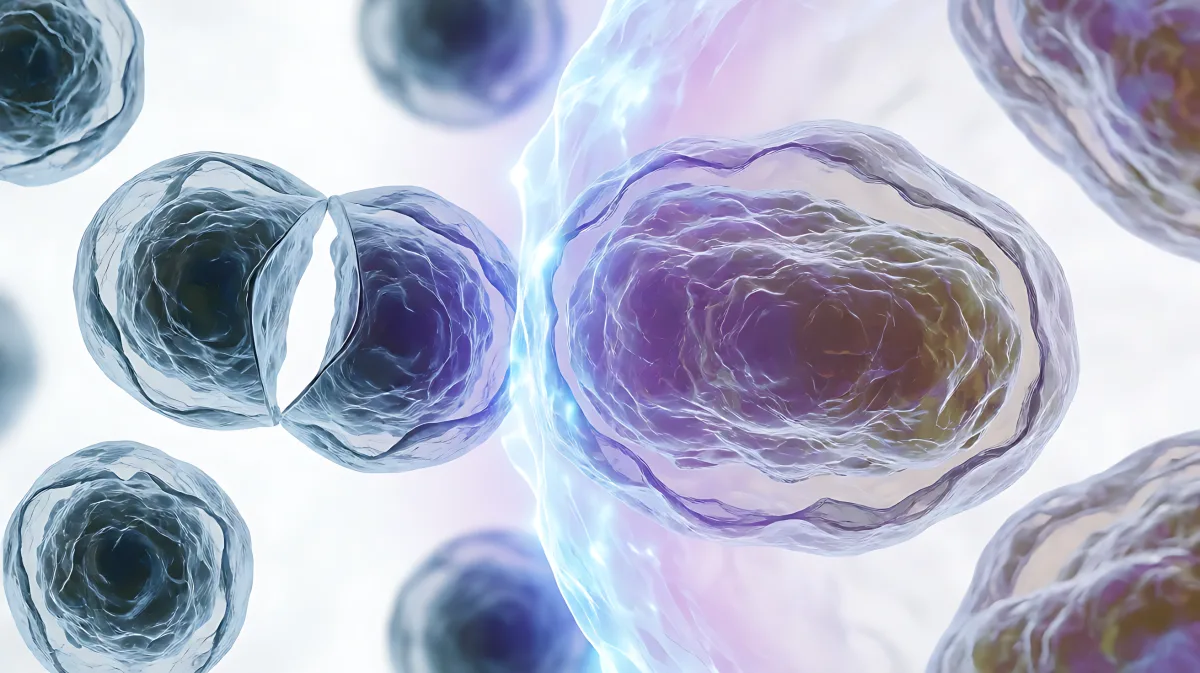
Cellular senescence is a stable state of cell cycle arrest that protects against cancer but contributes to aging when cells accumulate. Learn the key biomarkers, causes, and evidence-based ways to mitigate their impact on your healthspan.
Cellular senescence is a stable state of cell cycle arrest where damaged cells stop dividing and remain metabolically active, a protective mechanism that prevents cancer but contributes to aging when these cells accumulate in tissues. Understanding this process is vital for anyone looking to extend their healthspan, as the buildup of senescent cells drives chronic inflammation and tissue dysfunction. By identifying the biological markers of senescence and adopting evidence-based lifestyle interventions, you can actively reduce the burden of these cells and support healthy aging throughout your life.
What exactly is cellular senescence?
Senescence is often confused with the general process of aging, but they are distinct concepts. While aging refers to the progressive decline of an organism over time, senescence is a specific cellular response that can occur at any stage of life, including during embryonic development. This state is characterized by a cell's inability to re-enter the cell cycle in response to normal growth stimuli. Unlike quiescent cells, which can resume division when conditions improve, senescent cells maintain a permanent arrest. This phenomenon was first identified by Leonard Hayflick, who observed that human fetal fibroblasts in culture would stop dividing after a specific number of generations, a limit now known as the Hayflick limit.
How do senescent cells differ from healthy or dying cells?
Senescent cells are not simply dead or dying; they are viable and metabolically active. They undergo significant morphological changes, typically becoming enlarged and flattened. They also adopt a specific pro-inflammatory profile known as the senescence-associated secretory phenotype, or SASP. Through SASP, these cells release pro-inflammatory cytokines, growth factors, and proteases into the surrounding microenvironment. While this mechanism helps contain damage initially, the chronic release of these molecules can harm neighboring healthy cells, contributing to conditions such as cardiovascular disease, arthritis, and neurodegenerative disorders.
What causes cells to become senescent?
There are three primary triggers for cellular senescence. The first is replicative senescence, caused by telomere shortening. With every cell division, the protective caps at the ends of chromosomes, called telomeres, become shorter. Once they reach a critical length, the cell interprets this as DNA damage and halts division. The second trigger is DNA damage-induced senescence, which occurs when cells fail to repair significant genetic injury from sources like radiation or oxidative stress. The third is oncogene-induced senescence, a protective response to abnormal signaling that could otherwise lead to malignant transformation.
Which biomarkers help identify senescent cells?
Scientists and clinicians identify senescent cells by looking for specific biological markers. One key indicator is the loss of lamin B1, a protein that maintains the structure of the nuclear envelope. Another is the presence of senescence-associated heterochromatin foci, or SAHF, which are dense clumps of chromatin that silence genes promoting proliferation. Furthermore, researchers measure elevated levels of reactive oxygen species and specific enzymes like β-galactosidase. It is important to note that no single marker is definitive, so diagnosis in research settings relies on a combination of these features to distinguish senescent cells from other non-dividing states.
Why do senescent cells accelerate aging?
The accumulation of senescent cells is considered a hallmark of geroscience, the study of the biology of aging. As these cells build up in organs, they create a chronic state of low-grade inflammation, often termed inflammaging. This inflammatory environment impairs tissue regeneration and promotes disease. For example, studies have linked high densities of senescent cells to the progression of type 2 diabetes, osteoarthritis, and age-related macular degeneration. The goal of modern longevity research is not just to extend chronological life but to expand healthspan, the number of years lived free from chronic disease.
How does the American Federation for Aging Research view this field?
The American Federation for Aging Research, or AFAR, has highlighted the removal of senescent cells as a major breakthrough in longevity science. Researchers at institutions like Cedars-Sinai Medical Center and the Buck Institute have demonstrated that senolytic drugs can reduce the burden of these cells in animal models, extending both lifespan and healthspan. This research has paved the way for clinical trials in humans, shifting the focus from merely slowing aging to actively reversing certain aspects of cellular decline.
What can you do to reduce your senescent cell burden?
While pharmaceutical interventions are still largely in the clinical trial phase, there are immediate, evidence-based actions you can take to lower the accumulation of senescent cells and support cellular repair.
What lifestyle changes support cellular longevity?
- Engage in regular physical activity: Exercise has been shown to clear senescent cells and improve cognitive function. Taking 10,000 steps a day, which equates to roughly four and a half miles, is associated with a 36% lower risk of early death, according to data from the Journal of the American Medical Association.
- Adopt a nutrient-rich diet: Consuming antioxidant-rich foods like fruits and vegetables helps mitigate oxidative stress, a key driver of DNA damage and subsequent senescence.
- Prioritize quality sleep: Poor sleep accelerates biological aging. Research suggests that consistent, high-quality rest can add up to five years to the average lifespan by allowing the body to perform cellular repair.
- Consider fasting protocols: Fasting mimicking diets, which involve low-calorie, nutrient-rich eating for five days a month, may replicate the benefits of calorie restriction. Studies indicate this can reduce disease risk factors and slow biological aging in healthy adults.
What is the misconception about genetics and aging?
Many people assume that genetics determine almost all of your aging process, leaving little room for personal influence. In fact, research indicates that lifestyle and environmental factors account for about 80% of the variation in how quickly we age, with genetics playing a role in only the remaining 20%. This means that your choices regarding movement, nutrition, and stress management have a profound impact on your biological age.
Frequently asked questions about senescence and longevity
Are senolytic drugs available for public use?
While senolytic drugs like dasatinib and quercetin show promise in animal studies, they are not yet approved by the FDA specifically for aging or senescence treatment in humans. Some physicians may prescribe existing medications off-label based on emerging evidence, but this is not standard practice yet. Most major longevity clinics recommend focusing on lifestyle interventions while awaiting larger clinical trial results.
Can biological age be tested at a clinic?
Yes, specialized longevity clinics at academic health centers offer comprehensive biological age assessments. These evaluations typically involve a battery of tests, including DNA analysis, protein profiling, and imaging, to determine if your biological age differs from your chronological age. These tests help identify which hallmarks of aging are most active in your body.
Does exercise directly remove senescent cells?
Exercise enhances the body's ability to clear senescent cells through improved immune system function and reduced chronic inflammation. While it does not eliminate every senescent cell immediately, regular physical activity is one of the most effective natural methods to prevent their accumulation and maintain tissue homeostasis.