Fixing Your Senior Health Routine: Evidence-Based Adjustments
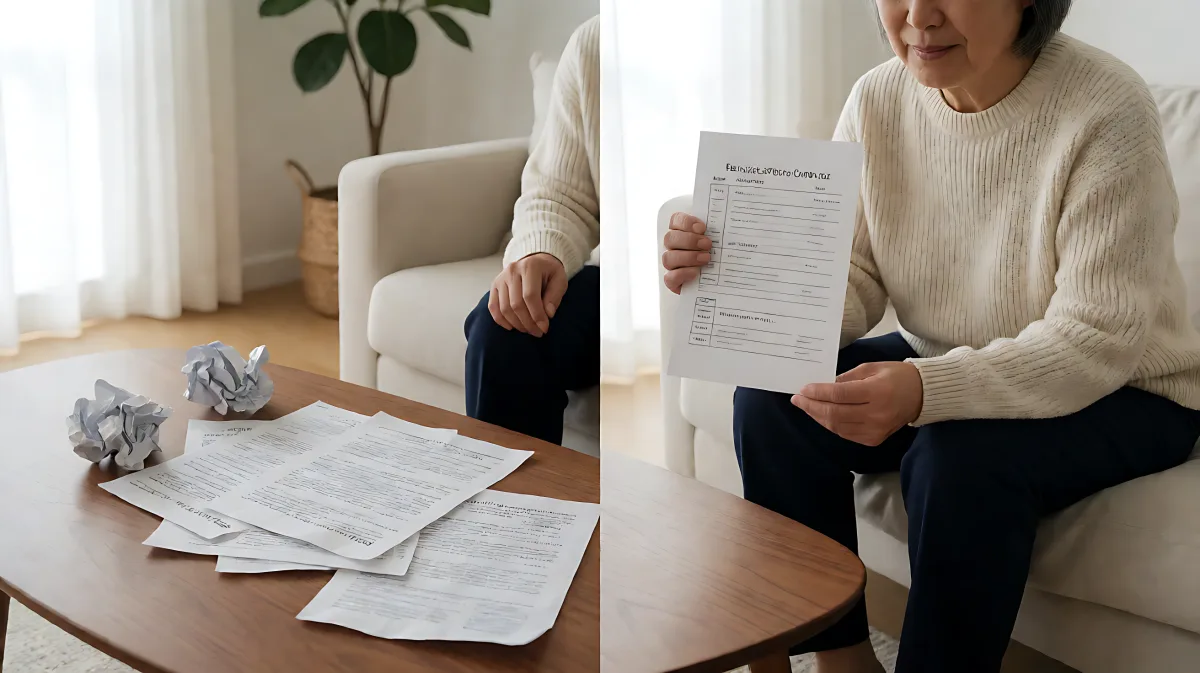
Your old health habits may no longer fit your body's needs. Learn how to adapt your nutrition, movement, and sleep strategies to support independent living and chronic disease management in 2026.
Your senior longevity routine often stops working because your body has changed, but the habits you formed in your fifties remain rigid. This mismatch leads to chronic pain, fatigue, and cognitive decline. To break this cycle, you must shift from a one-size-fits-all approach to a personalized system that prioritizes muscle preservation, sleep quality, and social connection. This guide outlines how to adapt your daily practices for optimal health in 2026.
Why Do Standard Health Habits Fail Seniors?
Many families assume that the exercise and diet plans that worked at age fifty will continue to serve them at age seventy. However, in fact, physiological changes significantly alter how your body processes fuel and recovers from stress. As age advances, skin produces less oil, hair grows slower, and sleep architecture shifts, making previously comfortable routines feel burdensome or ineffective. The core issue is not a lack of effort, but a failure to adjust to new biological realities. For example, a favorite moisturizer may feel too heavy on thinner skin, and vigorous cardio may spike cortisol levels without providing the joint mobility benefits needed for balance. Without these adjustments, chronic inflammation and muscle loss can accelerate, undermining the very longevity goals you are trying to achieve.
How Can You Rebuild a Movement Routine That Actually Helps?
Physical activity in 2026 is less about endurance and more about functional independence. The goal is to maintain the ability to climb stairs, carry groceries, and rise from a chair without assistance. A static routine focused solely on walking is often insufficient because it does not address the sarcopenia, or age-related muscle loss, that threatens mobility. Instead, you should integrate resistance training and balance work. A practical weekly structure includes moderate aerobic activity, such as a brisk walk, alongside muscle-strengthening exercises using resistance bands or light weights. These sessions do not need to be long; even ten-minute bouts of movement throughout the day can significantly impact metabolic health. Furthermore, you must prioritize balance exercises, such as standing on one foot while holding a stable surface, to reduce fall risk. If you have a history of falls or chronic joint pain, consult a physical therapist to tailor these movements safely.
What Nutritional Shifts Support Longevity After 60?
Nutrition becomes a critical tool for managing chronic conditions and supporting cellular repair. The focus should shift from calorie counting to nutrient density. A Mediterranean-style eating pattern remains one of the most effective strategies, emphasizing vegetables, fruits, whole grains, legumes, nuts, and fish. This approach helps reduce inflammation and supports heart health. However, a common misconception is that older adults should always eat less. In reality, seniors who are losing weight unintentionally often need to increase their protein intake to preserve muscle mass. If you are underweight or struggle with eating, prioritize protein-rich foods like beans, lentils, eggs, and fish at every meal. Additionally, limiting highly processed foods and sugary drinks is essential to managing blood sugar levels and reducing the risk of type 2 diabetes. Hydration also becomes more complex with age, as the thirst mechanism can dull; aim to drink water consistently throughout the day rather than waiting until you feel thirsty.
How Should You Adjust Your Sleep and Stress Habits?
Quality sleep is not just about rest; it is a biological maintenance window for immune function and memory consolidation. As you age, sleep often becomes lighter and more fragmented. Rather than accepting this as inevitable, you can optimize your environment to support melatonin production. This involves keeping the bedroom dark, cool, and quiet. Limiting screen time one hour before bed is more effective than relying on blue-light glasses alone. Chronic stress also accelerates aging by triggering inflammatory responses. Simple stress-management techniques, such as deep breathing exercises or mindfulness, can help regulate your hormonal balance. If you experience loud snoring, gasping, or severe daytime sleepiness, do not ignore it. These symptoms may indicate sleep apnea, a condition that requires medical attention to prevent long-term cardiovascular damage. Working with a healthcare provider to address these issues can dramatically improve your daily energy levels and cognitive focus.
What Checklist Can You Use to Audit Your Routine?
To ensure your longevity plan is current and effective, use the following checklist to assess your daily habits. This tool helps identify gaps in your routine and prompts necessary changes.
- Movement Check: Are you performing strength and balance exercises at least twice a week, in addition to daily walking?
- Nutrition Check: Do you have a serving of protein and a variety of colorful vegetables in your meals? Are you staying hydrated without relying on sugary drinks?
- Sleep Check: Is your bedroom optimized for darkness and quiet? Are you limiting caffeine after noon and reducing evening screen exposure?
- Social Check: Do you have meaningful interactions with friends or family at least a few times a week? Isolation can negatively impact mental health and longevity.
- Medical Check: Have you had regular check-ups to monitor blood pressure, blood sugar, and cognitive function? Are you addressing any chronic pain or stress with professional guidance?
If you find your routine lacking in any of these areas, make one small change this week. For instance, if you are not doing strength work, start with sit-to-stand exercises or using resistance bands while watching television. Gradual, consistent adjustments are more sustainable and effective than overhauling your entire lifestyle at once.
Frequently Asked Questions
Is it too late to start a longevity routine at age 70?
No, it is never too late to improve your health. Research indicates that adopting healthy habits in your later years can still provide significant benefits, including improved mobility, better cognitive function, and reduced risk of chronic diseases. The key is to start with manageable changes that fit your current physical abilities and build from there.
What is the most common reason senior routines stop working?
The most common reason is a failure to adapt to physiological changes. Bodies age, meaning that the intensity, duration, and type of exercise, as well as nutritional needs, change. A routine that worked well in your fifties may cause injury or burnout in your seventies if not adjusted for reduced joint elasticity and slower recovery times.
How much exercise do seniors need to prevent muscle loss?
To prevent sarcopenia, seniors should engage in muscle-strengthening activities at least two days per week. This includes exercises that target all major muscle groups, such as sit-to-stands, wall push-ups, and resistance band workouts. Combining this with daily aerobic activity, like walking, provides a comprehensive approach to maintaining functional independence.
Do supplements help with senior longevity?
Supplements should only be used to correct specific deficiencies identified by blood tests, not as a substitute for a balanced diet. While some minerals like magnesium or vitamins may support specific functions, they do not cure chronic conditions. Always consult with a healthcare provider before starting any new supplement, especially if you are taking other medications, to avoid harmful interactions.