Do Social Connections Actually Slow Aging? The Science
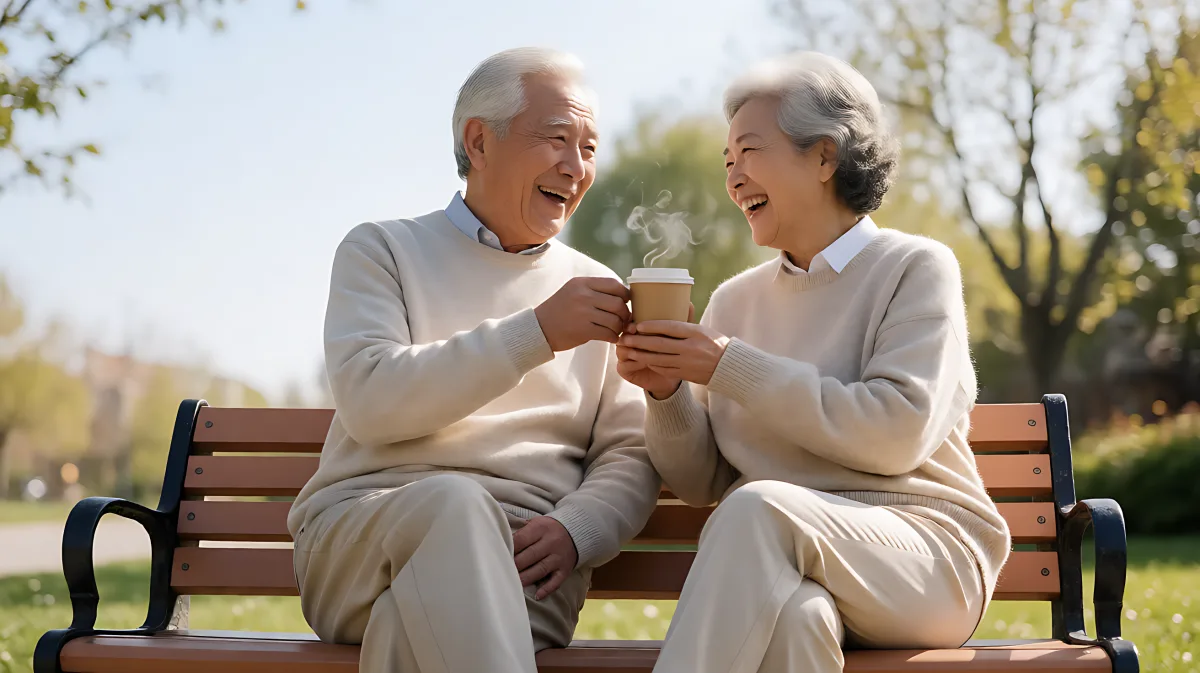
New research suggests that deep, consistent social connections do more than make you feel good. They may literally slow your biological aging by lowering inflammation and improving cognitive health.
Strong, consistent social connections can measurably slow biological aging. Research involving over 2,100 adults indicates that deep social ties lower inflammatory markers and slow epigenetic clocks, suggesting that social health is as critical to longevity as physical exercise or diet.
Do social connections change your biology?
It used to be common to think of social health as separate from physical health. We often view loneliness as an emotional state rather than a physiological risk. However, new evidence from a study published in Brain, Behavior, & Immunity – Health bridges this gap. Led by researchers at Cornell University, the study analyzed data from the Midlife in the United States (MIDUS) project. The team developed a metric called "cumulative social advantage," which tracks a person's access to social resources across four key areas: family, spiritual involvement, emotional support, and community engagement. The findings showed that individuals with high scores in these areas had distinct biological advantages. Specifically, their DNA methylation patterns indicated slower aging. In simple terms, their bodies were showing signs of less wear and tear at a molecular level.
Many people assume that only intense, one-off events like a major loss or a breakup affect their long-term health. In fact, the study highlights that it is the *sustained* nature of these bonds that matters. It is not just about having friends, but about the persistence and breadth of those connections over years. The research also found that participants with strong social networks had lower levels of interleukin-6 (IL-6), a key protein that triggers inflammation. High levels of chronic inflammation are linked to heart disease, diabetes, and dementia, making social connection a powerful preventative tool against these conditions.
What specific health risks does isolation increase?
The dangers of social isolation are well-documented by major health organizations. The Harvard T.H. Chan School of Public Health notes that social disconnection is associated with a 26% higher risk of heart disease and a 29% increased risk of stroke. The situation has become so serious that the United States designated a national epidemic of social connection last year, with approximately 50% of adults reporting struggles with loneliness. Similarly, the United Kingdom and Japan have appointed special ministers to tackle this crisis, recognizing that a lack of belonging is a public health emergency. For seniors, the stakes are even higher. Studies indicate that cognitive function in socially active older adults resembles that of people 5 to 7 years younger. The mental stimulation of conversation, combined with the stress-reducing effect of feeling supported, helps protect the brain from decline.
Why quality matters more than quantity
One of the most common misconceptions is that a large social circle automatically leads to better health. Many individuals believe that knowing hundreds of people is superior to knowing a few deeply. But in reality, shallow acquaintances do not provide the same physiological benefits as deep, trusting relationships. Research shows that genuine connection triggers the parasympathetic nervous system, which calms the body. When you have a meaningful conversation, cortisol levels drop, and the immune system receives a boost. Sporadic contact or online-only interactions are far less effective. Face-to-face engagement allows for a full range of sensory and emotional cues that strengthen the bond. Therefore, the goal is not to maximize the number of friends, but to deepen the ones you already have.
How to build a longevity-boosting social routine
You do not need to overhaul your life to see these benefits. Small, consistent actions can shift your social health. Here is a practical checklist to strengthen your connections and, by extension, your biological health:
- Prioritize depth over breadth: Identify two or three people with whom you can be vulnerable and authentic. Commit to maintaining regular contact with them, even if it is just a short call.
- Schedule your social life: Treat social appointments with the same respect as medical check-ups. Set recurring times for coffee dates, walks, or family dinners. Consistency is key to the "cumulative social advantage" effect.
- Engage in prosocial behavior: Volunteering or mentoring has been shown to improve cognitive and physical health. The Baltimore Experience Corps Trial found that seniors who spent about 15 hours a week tutoring children saw improvements in memory and mobility.
- Move beyond the screen: While video calls are helpful, make an effort to meet in person at least once a month. Physical presence allows for the full emotional and sensory exchange that drives the health benefits.
- Use community resources: If you are struggling with loneliness, look for "social prescribing" options in your area. This is a practice used in the UK and now tested in the US, where healthcare providers refer patients to community groups, art classes, or walking clubs to foster connection.
What role does spirituality and optimism play?
Social bonds do not work in a vacuum. The Harvard T.H. Chan School of Public Health also points to optimism and a resilient mindset as critical factors. A positive outlook can act as a buffer against stress. When you feel connected to a community or a shared belief system, you are more likely to cope effectively with life's challenges. This reduces the chronic stress that wears down the body over time. The combination of prosocial actions, such as helping others, and a positive internal state creates a feedback loop that supports both mental and physical longevity.
Frequently Asked Questions
Can I reverse the damage of social isolation if I start connecting now?
Yes. While chronic isolation has long-term effects, biological systems are resilient. Engaging in new, consistent social activities can begin to lower inflammatory markers and improve mood. The sooner you initiate these connections, the faster you can start mitigating the risks associated with isolation.
Is online interaction enough to slow aging?
It is not sufficient on its own. While digital tools help maintain ties, they lack the physical and emotional depth of in-person interaction. The strongest health benefits are associated with face-to-face contact, which allows for non-verbal cues and a deeper sense of presence.
How many hours a week should I spend on social activities?
There is no single magic number, but studies on volunteering suggest that around 15 hours a week of engaged prosocial activity can yield significant cognitive and physical benefits for older adults. For general maintenance, consistent weekly contact with key support figures is often more effective than sporadic large gatherings.
Do I need to be in a relationship to gain these benefits?
No. The benefits extend to friendships, family ties, community groups, and spiritual communities. A robust social network that includes multiple types of relationships provides the strongest protective effect against disease and cognitive decline.