Aging in Place Retrofitting For Seniors With Joint Limitations
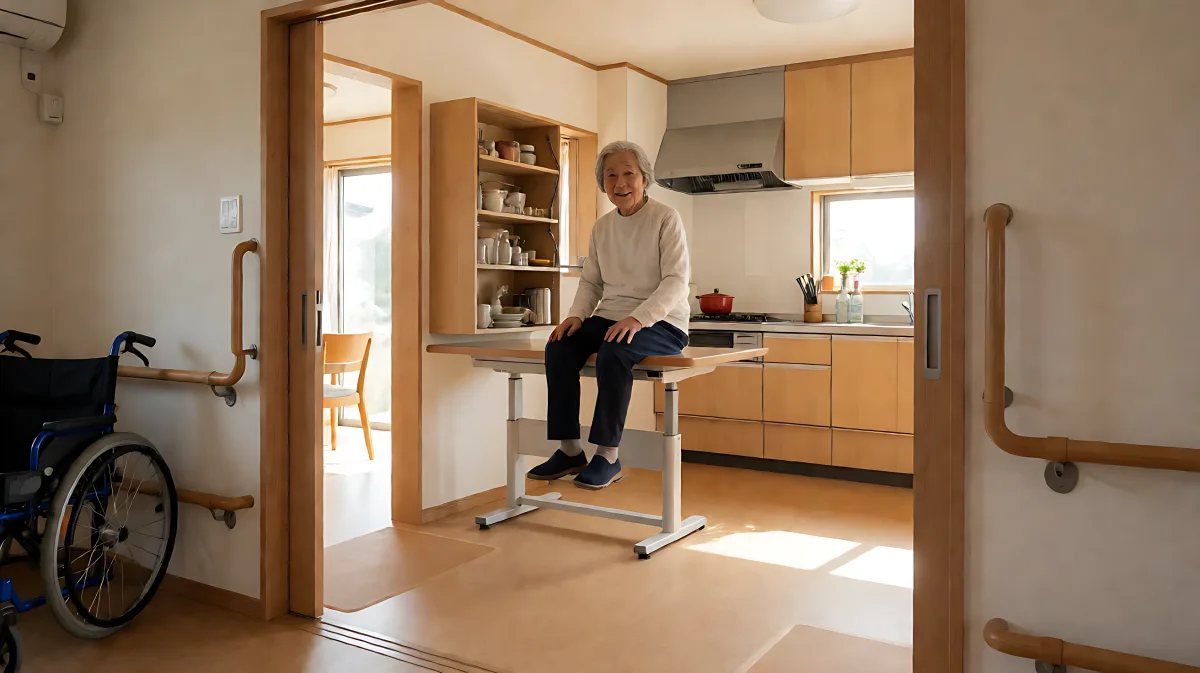
Transforming a home for seniors with chronic pain requires more than just grab bars. This guide outlines essential retrofits, from pain-friendly flooring to wider doorways, to ensure safety and comfort in your familiar environment.
Retrofitting a home for aging in place involves adapting physical spaces to accommodate chronic pain and joint limitations. By prioritizing step-free entries, wide doorways, and pain-friendly fixtures, seniors can maintain independence without sacrificing safety. These modifications reduce fall risks and minimize physical strain during daily activities, allowing older adults to remain in their preferred living environments with greater comfort.
Why Are Standard Home Layouts Harmful for Joint Health?
Many older adults experience significant distress when navigating homes designed for peak physical ability. Narrow hallways, high-pitched door handles, and standard-height toilets exacerbate arthritis and other joint conditions. According to research cited by AARP, the majority of Americans over 50 prefer to age in place. However, without specific retrofits, the home can become a source of pain rather than a sanctuary. The physical act of opening a round knob can trigger severe hand pain, while climbing even a single step can inflame knees and hips.
How Do Falls Impact Seniors With Chronic Pain?
Statistical data indicates that one in four seniors falls annually, often due to environmental hazards like small rises between rooms. For individuals with limited joint mobility, these falls are not just accidents; they are predictable outcomes of poorly designed spaces. A fall can lead to secondary injuries that drastically reduce mobility, making it impossible to use stairs or navigate tight spaces. Identifying these hazards early is crucial for preventing the cycle of injury and immobility.
What Are The Essential Bathroom Retrofits for Joint Limitations?
The bathroom is frequently cited as the most hazardous room for seniors due to wet floors and height mismatches. Retrofitting this space requires a focus on reducing the need to bend, twist, or balance on slippery surfaces. A zero-threshold walk-in shower eliminates the step over the tub, which is often a major pain point for those with hip or knee issues. Additionally, installing grab bars that support significant weight is not optional; it is a safety standard. These bars should be securely anchored to the wall studs, not just the drywall, to ensure they can withstand a fall.
Which Fixtures Reduce Pain During Bathing?
Standard faucets often require significant wrist torque to turn on and off, which can be agonizing for those with wrist arthritis. Retrofitting with single-lever or motion-activated faucets eliminates this strain. Similarly, toilets should be raised to a height between 17 and 19 inches. This height aligns with the natural standing position, reducing the need to squat or lift the legs excessively, which protects the knees and lower back. Adjustable height toilets or simple seat extenders can achieve this goal without replacing the entire unit.
How Should You Modify Doorways And Hallways?
Wide, clear pathways are the backbone of an accessible home. For wheelchair users or those using walkers, doorways narrower than 36 inches can be impassable barriers. Retrofitting involves widening existing openings or installing pocket doors that slide into the wall. This design prevents the door from swinging into the hallway, where it could catch a wheelchair or crutch. Furthermore, replacing round doorknobs with lever handles is a critical step. Lever handles allow the user to push the door open using the flat of the hand or even their forearm, bypassing the gripping and twisting motions that cause joint pain.
Why Are Pocket Doors Better Than Hinged Swingers?
Hinged doors create a "dead zone" in the hallway when open, reducing maneuverability. Pocket doors maintain the full width of the hallway, ensuring that a wheelchair or walker can pass through smoothly without obstruction. This is particularly important in bathrooms and bedrooms where space is often tight. The smooth operation of these doors also reduces the physical effort required to open and close rooms, conserving energy for seniors who fatigue easily.
What Kitchen Modifications Improve Mobility and Access?
The kitchen is a hub of activity, and standard designs often force seniors to reach high shelves or bend into lower cabinets. Both actions are high-risk for joint flare-ups. A strategic retrofit includes lowering upper cabinetry to a comfortable reach height and installing pull-down shelving for items that must remain above shoulder level. Lower cabinets should be converted to open shelving or equipped with roll-out trays and lazy Susans, allowing users to access the back of the cabinet without bending at the waist. These changes transform the kitchen from a strain-prone zone into a functional space that supports independence.
How Can Counters Be Made More Pain-Friendly?
Standard counter heights, typically around 36 inches, may be too low for shorter seniors or those using mobility aids that make it difficult to stand fully upright. Adjustable or lower counters allow for seated meal preparation and cooking. Adding contrast stripes to the edge of countertops helps visually impaired individuals identify the drop-off point, reducing the risk of knocking items off or slipping. This simple visual cue enhances safety and reduces the anxiety associated with navigating a busy kitchen.
How Can Technology Support Chronic Pain Management?
Physical modifications are only half the equation; technology plays a vital role in maintaining comfort and safety. Smart home systems allow seniors to control lighting, thermostats, and locks from a single device or voice command. This reduces the need to walk to different parts of the house to make adjustments. For seniors with limited mobility, a smart thermostat prevents extreme temperature changes, which can worsen joint stiffness. Medical alert systems provide an immediate safety net, ensuring that help is on the way if a fall occurs, thereby reducing the fear of being injured alone.
Are There Financial Aid Options For These Retrofits?
Cost is often a barrier to home modification. However, various resources exist to assist. The US Department of Agriculture offers grants and low-interest loans for eligible homeowners. Many Medicare Advantage plans now include benefits for specific home safety items. Additionally, some modifications may be tax-deductible if they are medically necessary. Consulting with a Certified Aging in Place Specialist (CAPS) is recommended, as these professionals are trained by the National Association of Home Builders to assess and prioritize these projects effectively.
What Is The First Step To Making Your Home Accessible?
Begin with a comprehensive home safety assessment. This should be performed by a professional who understands the intersection of architecture and human physiology. The assessment will identify tripping hazards, lighting deficits, and access points that need widening. It is not enough to simply add a grab bar; the entire flow of the home must be considered to ensure that one modification does not create a new barrier. Planning for future needs is essential, as joint limitations often progress over time.
Frequently Asked Questions
Is it too late to retrofit my home?
No, it is never too late. While major structural changes are more effective when planned early, immediate modifications like non-slip flooring, lever handles, and grab bars can be installed quickly and significantly reduce risk. Many seniors delay renovation due to fear, but even small changes can improve daily comfort and prevent falls.
Do lever handles work for everyone with arthritis?
Generally, yes. Lever handles require a pushing or pulling motion rather than a gripping and twisting one. This aligns with the natural biomechanics of the hand and requires significantly less force and dexterity. For those with severe limitations, loop handles may be even easier to operate.
Can I make these changes without a full renovation?
Many modifications are surface-level and do not require tearing out the home. Replacing doorknobs, installing a raised toilet seat, adding non-slip mats, and installing a pull-down cabinet shelf are all minor projects that can be completed in a day. However, widening doorways or changing the height of the floor level requires structural work and professional oversight.
How do I find a qualified professional for this work?
Look for contractors who hold a CAPS certification. This designation indicates they have received specific training from the National Association of Home Builders on how to adapt homes for aging residents. They understand building codes, accessibility standards, and the specific needs of seniors with chronic pain and joint limitations.