How to Adapt Homes for Dementia and Memory Loss
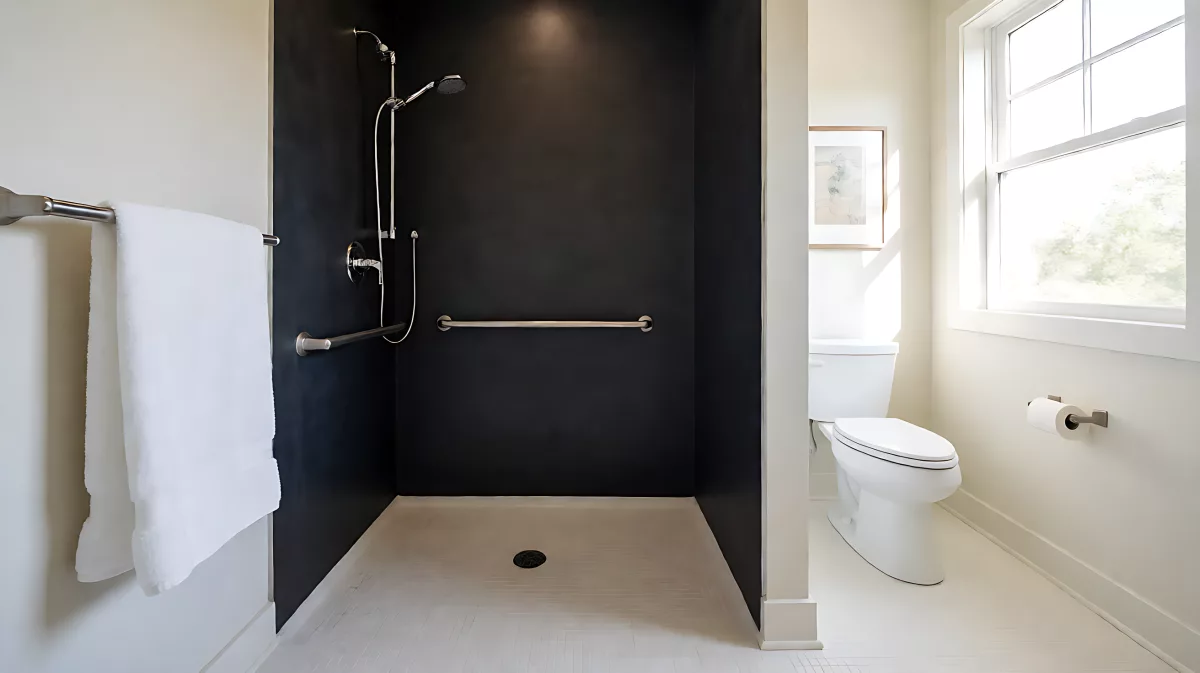
Creating a home that supports independence for those living with cognitive impairment requires thoughtful design. This guide outlines key strategies for bathrooms, lighting, and safety to reduce fall risks and confusion.
Adapting a home for cognitive impairment involves adjusting the physical environment to reduce confusion, prevent falls, and support independence. By implementing specific design changes in bathrooms, lighting, and wayfinding, families and caregivers can create a safer living space for individuals living with dementia or memory loss, allowing them to perform daily activities with greater confidence and less supervision.
Why Early Home Adaptation Matters
Historically, home modifications for people with dementia were often delayed until a diagnosis advanced to the point where the individual could no longer learn new routines. Research from the Royal College of Occupational Therapists and the House of Commons highlights that early intervention is critical. When adaptations are installed while a person is still relatively independent, they are more likely to use the new equipment and develop safe habits. This proactive approach reduces the physical and emotional burden on carers and can delay the need for intensive social care services.
Designing a Dementia-Friendly Bathroom
The bathroom is often the highest-risk area for falls in homes with cognitively impaired residents. A standard shower might seem safe, but specific visual cues can trigger confusion or fear. For example, a dark, glossy floor can look like a bottomless hole to someone with dementia, prompting them to lean back and fall. Conversely, a white drain in the floor might be mistaken for a dropped bar of soap, causing a person to bend down to pick it up. To mitigate these risks, experts recommend using a light-colored, matte, non-slip floor that contrasts clearly with the walls. The walls should be painted in a darker, matte shade to provide depth perception without reflections. Shiny tiles or mirrors can be frightening because reflections may be perceived as other people in the room. Therefore, matte finishes and the removal or covering of mirrors are often recommended for safety.
How Lighting and Color Influence Safety
Lighting should be directional rather than a single overhead source. Placing lights above the sink, toilet, and shower helps guide the user to their destination, reducing disorientation. Automatic motion-sensor lights at bedroom and bathroom doors are essential for nighttime safety, preventing confusion when waking up. Color contrast is another key tool. Grab bars, toilet seats, and shower chairs should be a color that stands out against the surrounding surfaces. This makes them easier to locate visually. Signage, such as painting door frames in high-contrast colors, can also act as visual cues to help individuals navigate their home and find specific rooms without assistance.
What Role Does Assistive Technology Play
Assistive technology (AT) devices enhance independence by modifying how a person interacts with their environment. For cognitive impairments, this includes memory aids, automated reminders, and simple, single-function devices that reduce complexity. Unlike complex digital tools that might confuse a user, effective AT for dementia focuses on clarity and routine. Devices like automatic door locks, stove turn-off systems, and medication dispensers can prevent accidents. Additionally, wearable technology and personal emergency response systems allow for discreet monitoring, giving peace of mind to family members while allowing the individual to live freely. The goal is to choose tools that align with the person's existing habits to minimize resistance to their use.
How to Prioritize Changes in Your Home
Start with the areas of highest risk, typically the bathroom and entryways. Maintain existing layouts where possible; if a user is accustomed to a specific toilet position, moving it can cause significant distress. Keep door handles and taps the same type to preserve muscle memory. If space is tight, consider two-way hinges for bathroom doors to allow easier exit if someone becomes trapped or confused. Engage an occupational therapist to assess the specific needs of the individual, as recommendations vary based on the stage of the impairment. In the UK, grants like the Disabled Facilities Grant (DFG) may cover some costs, while in the US, similar programs or tax incentives might apply. Always check local council or government resources for funding opportunities related to cognitive health adaptations.
Frequently Asked Questions
Should I remove all mirrors from the house?
You do not need to remove every mirror, but consider covering or removing mirrors in high-confusion areas like bathrooms and bedrooms. A reflection can be mistaken for another person, causing anxiety. If a mirror is essential, ensure it is small or has a visual break to help distinguish reflection from reality.
What floor color is best for someone with dementia?
A light-colored, matte, non-slip floor is generally recommended. Dark, shiny floors can look like holes or water, leading to falls. The floor should contrast with the walls to provide clear depth perception. Avoid patterns or flecks that might look like debris on the ground.
Are cognitive behavioral therapy techniques useful at home?
While cognitive behavioral therapy (CBT) is a clinical treatment for mental health conditions, the principles of routine and environmental consistency overlap with home adaptations. Creating a predictable environment reduces anxiety, which supports the individual's cognitive function. Professional CBT is separate from physical home modifications but can complement them by managing emotional responses to changes.
How can I fund home adaptations for dementia care?
In the UK, the Disabled Facilities Grant (DFG) is the primary source of funding for physical adaptations. In the US, look into state vocational rehabilitation services or Medicare Advantage plans that may include home safety modifications. Many local governments and charitable organizations also offer small grants or in-kind support for dementia-friendly home setups.
Do these adaptations help with visual impairments too?
Yes, many dementia-friendly designs, such as high-contrast surfaces and directional lighting, also benefit individuals with visual impairments. The combination of cognitive and sensory support creates a more robust safety net. However, specific needs for visual impairment may require additional lighting or magnification tools that should be assessed by a specialist.