How to Use the 50/30/20 Rule on Fixed Income
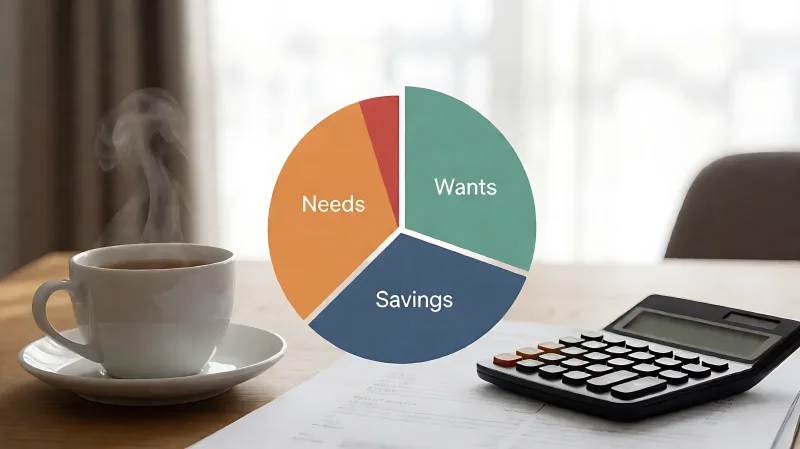
Learn how to adapt the 50/30/20 budget rule for fixed Social Security income. Master strategies to balance needs, wants, and savings for a secure retirement.
Adapting the 50/30/20 rule to fixed Social Security income requires prioritizing essential needs over discretionary wants. You should allocate 50 percent of your benefits to housing and health, reduce the 30 percent wants category significantly, and use the remaining 20 percent for emergency funds rather than traditional savings. This flexible approach helps manage cash flow while protecting your financial stability.
Why Standard Budget Rules Fail on Fixed Income
The traditional 50/30/20 guideline was designed for working individuals with variable salaries and growth potential. For seniors receiving only Social Security, the fixed nature of the income creates a tight constraint that standard advice often ignores. The U.S. Census Bureau reports that approximately 8 percent of Americans aged 65 and older live in poverty, highlighting the fragility of fixed budgets when inflation rises. When income is static, any unexpected increase in healthcare or housing costs directly squeezes the "wants" category to zero, leaving no buffer for savings.
How to Redistribute the Three Budget Categories
To make the rule work for retirees, you must shift the balance. The standard 50 percent allocation for needs is often too low for seniors, as medical expenses and housing costs tend to be higher relative to income than for younger workers. Consider adjusting the split to a 60/20/20 or even a 70/10/20 model depending on your specific circumstances. This ensures that your mandatory expenses are covered before you look at discretionary spending.
What Counts as a Need on a Fixed Income
Needs are non-negotiable expenses that must be paid to maintain your health and housing. Under the original UNFCU framework, these include rent, utilities, and groceries. For seniors, this list expands significantly. You must include Medicare premiums, out-of-pocket medical costs, and prescribed medications. Since Original Medicare does not cover dental or vision care, these are effectively needs for most older adults to maintain quality of life. Housing stability is paramount, so mortgage payments or rent occupy a large portion of this category. Minimum debt payments also fall here, but the goal should be to minimize this section as much as possible.
How to Manage the Wants Category Realistically
The 30 percent allocation for wants is where fixed-income budgets face the biggest challenge. Most retirees cannot spend nearly a third of their income on entertainment or dining out. Instead, treat this category as a flexible buffer. If your needs exceed 50 percent, the overflow must come from wants. For example, you might keep one streaming service for mental well-being but cancel the others. Subscriptions, hobby supplies, and frequent restaurant meals should be evaluated strictly. Ask yourself if an expense is essential for your health and happiness or merely a habit. Reducing this percentage to 10 or 15 percent is common and healthy for long-term financial security.
Where Should the 20 Percent Savings Go
For a working person, the 20 percent goes toward retirement accounts. For a senior on fixed income, this category transforms into an emergency fund and debt payoff. You are no longer saving for retirement; you are saving for resilience. Experts recommend keeping this portion in a high-yield savings account that is easily accessible. Sudden large expenses, like home repairs or emergency dental work, can destabilize a fixed income. Having a dedicated 20 percent reserve ensures you do not have to dip into your operating cash flow. Additionally, if you have high-interest debt, this portion should prioritize paying it off. Social Security benefits are generally protected from most creditors, but they can be garnished for federal taxes or other specific debts, making debt resolution a critical safety measure.
How to Anticipate Future Cost Increases
Inflation is a silent budget killer. SeniorLiving.org advises that retirees should assume their expenses will rise, not fall. When creating your annual budget, build in a margin for inflation on healthcare and food. Do not assume your tax obligations will remain static. While Social Security benefits are partially taxed, changes in income thresholds or state laws can affect your take-home pay. Proactively reviewing your insurance rates and phone plans can free up money from the needs category, allowing you to reallocate funds to your emergency buffer. Being conservative in your estimates helps prevent the shock of unexpected cost hikes.
What Role Do Multiple Income Sources Play
Many seniors have more than just Social Security. Pensions, part-time work, or investment income add complexity but also opportunity. If you have multiple sources, apply the 50/30/20 rule to your total monthly cash flow. However, be cautious with variable income from investments. The SeniorLiving.org team suggests documenting these fluctuations to avoid relying on unstable funds for essential expenses. Scams targeting older adults are prevalent, so keeping close records of all income and spending helps identify irregularities early. Regularly reviewing bank statements is a crucial step in maintaining control over your fixed income sources.
FAQ
Can I skip the wants category entirely?
Yes, if your needs and savings buffer exceed 100 percent of your income, you can reduce wants to zero. This is a valid strategy during tight financial periods. It is important to periodically reassess to ensure that reducing all leisure activities does not negatively impact your mental health and overall well-being.
How do I calculate my monthly fixed income accurately?
Start by listing your guaranteed monthly Social Security check. Add any pension payments. For variable income, like dividends, use the average of the last twelve months. Subtract any mandatory tax withholdings to get your true available cash. This number is the base for your 50/30/20 percentages.
What if my medical expenses exceed 50 percent?
If healthcare costs push your needs category higher than 50 percent, you must cut the wants category to zero and potentially reduce your savings rate temporarily. Prioritize maintaining your emergency fund while seeking ways to lower medical costs, such as switching to generic medications or using community health resources.