What Is Software? Types, Development, and Trends Explained
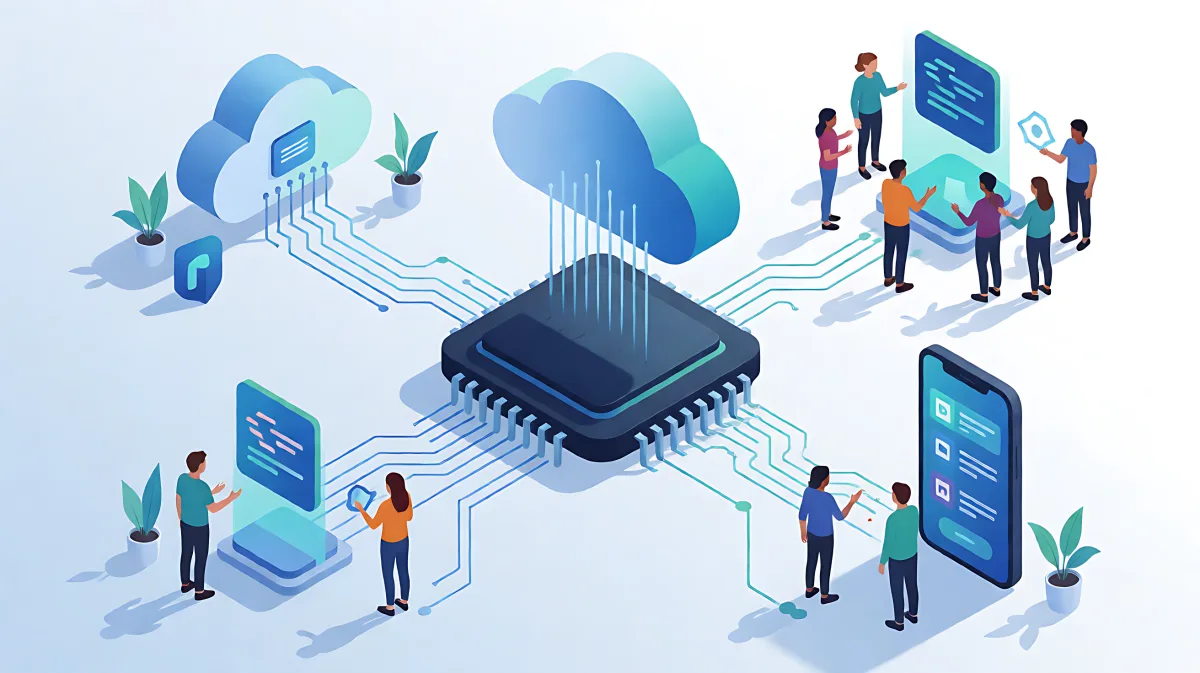
A complete breakdown of software, from its core components to the latest delivery models and development practices reshaping the tech industry in 2026.
Software consists of digital instructions, programs, and design documents that allow computers and devices to perform specific tasks. In 2026, it powers everything from everyday applications to advanced cloud-based services, fundamentally shaping how individuals and organizations interact with technology.
What Are the Main Types of Software?
At its core, software is divided into two fundamental categories that dictate how a system operates. The first is operating system software, which acts as the foundational layer managing hardware resources like memory and processors while providing essential services for other programs to run. The second is application software, designed to carry out specific, user-facing tasks. Examples of application software range from web browsers and office suites to specialized business tools and entertainment platforms.
How Has Software Delivery Evolved?
The way software is accessed and used has transformed dramatically. While early digital computers required programmers to write in complex machine language specific to their hardware, the introduction of high-level languages like Fortran and COBOL in the mid-1950s made code more human-readable and portable. Today, the cloud computing model has introduced Software as a Service, or SaaS. Under this model, applications are hosted by a provider and accessed over the internet, meaning users do not need to install programs locally on their personal computers. This shift has made software more accessible, scalable, and easier to maintain for both individuals and large enterprises.
Why Is SaaS Dominating the 2026 Market?
SaaS has become the preferred delivery method because it reduces the need for users to manage complex underlying hardware and server infrastructure. Companies can subscribe to the services they need, paying only for what they use. This model allows software providers to push updates and security patches continuously, ensuring users always have the latest features without manual intervention.
What Is the Software Development Process?
Creating reliable software is a structured, multi-stage discipline. The process begins with requirements analysis, where engineers define exactly what the software must do. It moves into the design phase, where the system's architecture is mapped out, and then into construction, where the actual code is written. After construction, the software enters rigorous testing to identify bugs, security vulnerabilities, and performance issues. Once a stable version is ready, it is released to users. The process does not end there; maintenance and quality assurance are critical ongoing activities to keep the software secure, functional, and aligned with user needs over its lifecycle.
How Do Automation and AI Impact Development in 2026?
The modern software development lifecycle is heavily accelerated by automation and artificial intelligence. Developers now rely on automated testing frameworks and AI-assisted coding tools to write, review, and debug code faster and with fewer errors. These technologies help teams manage the increasing complexity of systems that integrate networking, databases, and real-time communication, which have become standard expectations for modern applications.
What Is Software Engineering and Why Does It Matter?
Software engineering is the formal application of engineering principles to the design, development, testing, and maintenance of software. It emerged as a recognized field in the 1960s when organizations like NATO organized the first major conference to address the "software crisis"—a period when projects frequently went over budget, missed deadlines, or failed entirely. By adopting structured methodologies, software engineering transformed code creation from a craft into a reliable, repeatable discipline. Today, it is the backbone of building robust systems that can handle the scale and security demands of the global digital economy.
What Role Does Quality Assurance Play?
Quality assurance (QA) is a non-negotiable component of modern software engineering. Because software bugs can lead to costly system failures and, in critical systems, safety risks, QA focuses on preventing defects rather than just finding them after they are written. In 2026, as software manages sensitive data and critical infrastructure, QA and security testing are integrated continuously into the development pipeline, ensuring vulnerabilities are caught early.
What Are the Key Industry Trends Shaping Software in 2026?
The software landscape in 2026 is defined by several major trends. First, hyper-personalization is standard; applications now use AI to tailor interfaces and features to individual user behaviors in real time. Second, there is a massive shift toward microservices and serverless architectures, which allow engineering teams to deploy smaller, independent components of an application. This makes systems more resilient and easier to update. Finally, the focus on cybersecurity and data privacy has intensified, driven by strict global regulations. Software developers are increasingly building security into the core architecture of their products, a practice known as "security by design," rather than adding it as an afterthought.
How Do Legal and Licensing Issues Affect Users?
Software is an intellectual property, and its distribution is governed by licenses and laws. These rules determine what users can and cannot do with a program. For consumers, understanding license agreements is important, as they dictate rights to copy, modify, and share the software. For businesses, licensing models range from traditional one-time purchases to the subscription-based SaaS models mentioned earlier, which change how organizations budget for and manage their tech stack.
What Is the Difference Between Open Source and Proprietary Software?
Open source software has its source code made freely available to the public, allowing anyone to view, modify, and share it. This model encourages collaboration and transparency, and it has led to the creation of highly powerful, widely used systems. Proprietary software, on the other hand, is owned by a company, and its source code is kept secret. Users must purchase a license to use the product, and they generally cannot modify it. Both models coexist in the 2026 market, often with large enterprises using a blend of both to optimize cost, control, and flexibility.
Frequently Asked Questions
What is the difference between a program and software?
A program is a specific set of instructions that makes a computer perform a task. Software is the broader term that includes the program itself, plus all the associated documentation, design files, specifications, and the process used to create and maintain it.
Can software be patented?
In some jurisdictions, a specific method or process implemented in software can be patented if it demonstrates a novel and non-obvious technical application. However, abstract ideas or basic mathematical algorithms generally cannot be patented. Patent laws vary significantly by country.
How much does it cost to develop a software application?
The cost varies wildly depending on the complexity. A simple mobile app can cost thousands of dollars, while a large-scale enterprise SaaS platform can cost millions. The biggest ongoing cost is usually not the initial build, but the continuous maintenance, security updates, and customer support.