Understanding Lifestyle: Definition and Impact on Health
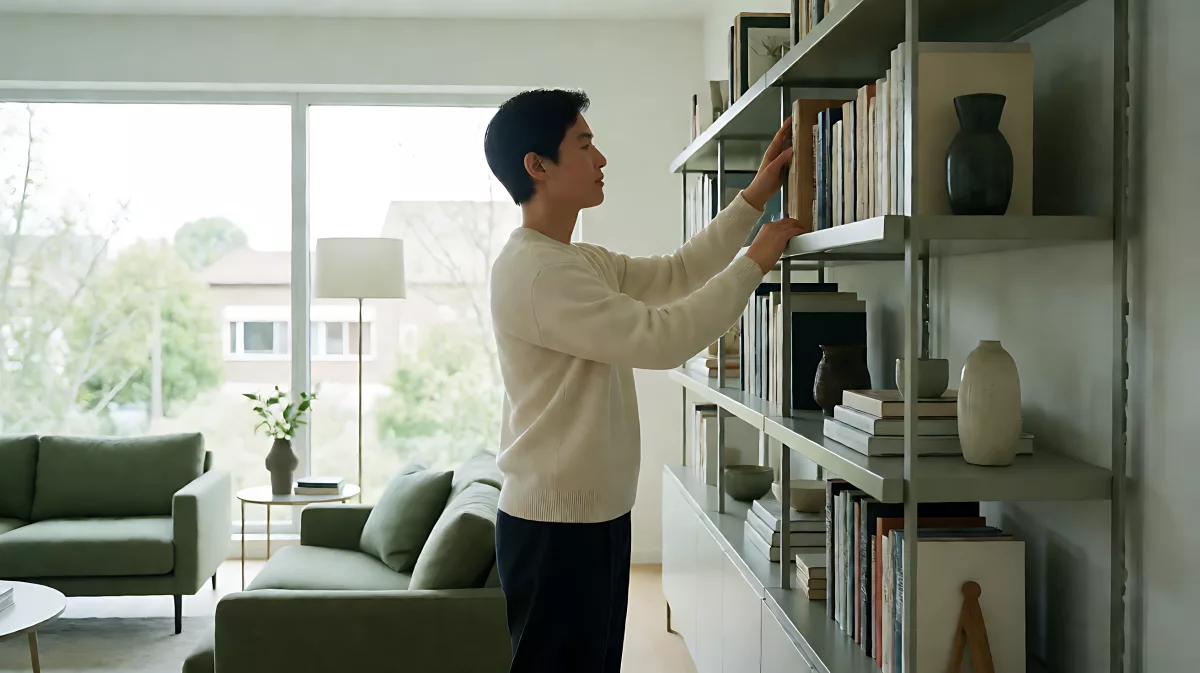
Lifestyle encompasses your interests, behaviors, and values. Learn how these factors shape your identity and the difference between conscious choices and environmental influences.
Lifestyle refers to the comprehensive way you live, defined by your unique combination of interests, behaviors, opinions, and values. It is not just a checklist of habits but the tangible and intangible factors that shape your daily existence. By understanding this concept, you can better align your routines with your personal identity and long-term well-being goals.
What exactly does the term lifestyle mean?
At its core, lifestyle describes a person’s basic character and how they navigate the world. The concept traces back to the early 20th century when psychologist Alfred Adler introduced the term to describe personality frameworks formed in childhood. Today, the term has evolved to include a broader sense of living. It is often described as a mixture of demographic facts, such as age and location, and psychological factors like personal preferences and outlooks. For example, living near the ocean might naturally influence a preference for water-based activities, while a rural setting may foster a different set of values compared to an urban metropolis.
How does lifestyle influence personal identity?
Your lifestyle acts as a mirror for your self-concept. It creates cultural symbols that resonate with who you are and how you wish to be perceived. While some aspects are chosen freely, others are constrained by the social and technical systems around you. In modern society, consumption behavior plays a significant role in this process. The products and services you choose send signals about your values. For instance, adopting a 'green lifestyle' involves not just buying eco-friendly products, but deriving a sense of self from the belief that you are reducing your ecological footprint.
What are the tangible and intangible factors?
Factors that define lifestyle can be divided into two categories. Tangible factors are the demographic profile of an individual, including income, education, and location. Intangible factors are the psychological aspects, such as how you view politics, religion, and health. Both sets of factors work together to determine the set of lifestyles available to you.
Why do sociologists study lifestyles?
Academics have examined this topic through several lenses to understand social structures. Researchers like Thorstein Veblen argued that people often engage in specific patterns of consumption to distinguish themselves from others. Max Weber viewed lifestyle as a visible manifestation of social prestige. More recent studies by scholars like Pierre Bourdieu suggest that lifestyle is where social practices intersect with individual tastes. These studies help explain why different groups within the same social class may live very differently.
How do lifestyle studies help in psychology?
In psychology, lifestyle is often seen as a style of thought. Research in this area looks at how guiding values developed in early life inform decision-making throughout adulthood. Researchers such as Milton Rokeach explored how people organize their values into hierarchical scales. This approach helps identify different population sectors based on their prioritized beliefs.
How does lifestyle affect health outcomes?
There is a strong link between lifestyle choices and physical well-being. Routine behaviors regarding diet, exercise, and sleep have cumulative effects on long-term health. Organizations focused on public health often emphasize that lifestyle modifications can be as impactful as medical interventions. For example, adopting a consistent morning routine or prioritizing mindfulness can reduce stress levels and improve mental clarity.
What is the role of media in shaping lifestyle?
Media plays a significant role in defining what a lifestyle looks like. In television and publishing, 'lifestyle' is often a category that describes a specific set of interests or behaviors. Shows and articles that focus on this topic often highlight the pursuit of happiness through curated experiences, such as travel, dining, or home aesthetics. This media influence can help individuals discover new ways to live but can also create unrealistic expectations.
How can you evaluate your own lifestyle?
Reflecting on your current lifestyle is a powerful tool for personal growth. Start by identifying the areas where your daily habits align with your core values. Are you spending time on things that bring you joy? Do your financial choices support your future goals? It is also helpful to consider your environment. If you are in a location that does not support your desired lifestyle, you might need to adjust your surroundings or look for a community that better fits your needs. Many senior living communities, for instance, are designed specifically to support specific lifestyle preferences, from independent living to specialized care options.
What are common signs of a misaligned lifestyle?
Chronic stress, lack of time for hobbies, and a feeling of disconnection from others are often signs that a lifestyle is out of sync with personal desires. Conversely, when a lifestyle is aligned, people often report a higher sense of purpose and satisfaction. It is important to remember that lifestyles are not static; they evolve as you grow, age, and encounter new circumstances.
Frequently Asked Questions
Is lifestyle the same as culture?
While they overlap, lifestyle is more individualistic. Culture refers to the shared beliefs of a group, whereas lifestyle is how an individual expresses those beliefs through personal choices and behaviors. One person in a specific culture might adopt a lifestyle that is very different from the norms of their peer group.
How much of my lifestyle is free choice?
Only a portion is entirely free. Social and economic systems constrain the options available to you. For example, your income level will likely influence your housing options and access to certain activities. However, within those constraints, you still have agency over how you allocate your time and resources.
Can lifestyle change with age?
Yes, lifestyle is dynamic. As people age, priorities often shift from accumulation to preservation and connection. Many individuals find that their lifestyle becomes more focused on health maintenance, social engagement, and simplicity as they progress through their lives.
Do I need a specific 'lifestyle' to be happy?
There is no single formula for happiness. While some people thrive in a high-energy, urban environment, others find peace in a quiet, rural setting. The key is to build a lifestyle that supports your specific values and needs, regardless of societal trends.