Water Aerobics for Seniors: Low-Impact Pool Safety Tips
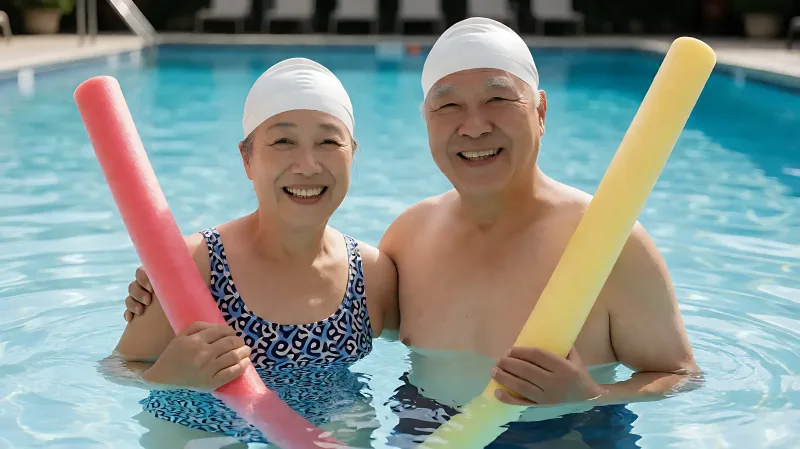
Water aerobics offers a gentle, effective way for older adults to manage joint pain. This guide covers safety protocols, exercise routines, and frequency recommendations for safe aquatic fitness.
Water aerobics is a low-impact pool exercise ideal for older adults managing joint pain. The buoyancy of water reduces gravity’s pull on bones and joints, allowing seniors to move safely while building strength. Studies indicate that aquatic activities can decrease compressive forces on knees and hips, offering relief for those with arthritis.
For more information, see Mayo Clinic guide to aquatic exercise from Mayo Clinic.
How Does Water Aerobics Benefit Older Adults?
The unique properties of water provide a supportive environment for exercise that land-based activities cannot. As you move, water creates resistance that is proportional to the speed of your motion. This means you can adjust the intensity of your workout simply by moving faster or slower. The American Council on Exercise notes that water is nearly 12 times denser than air, which allows for effective muscle engagement without the high impact of running or jumping.
- Joint Protection: The buoyancy of water supports up to 90 percent of your body weight when submerged to the chest, significantly reducing stress on weight-bearing joints.
- Temperature Regulation: Warm pools, typically maintained between 82 and 88 degrees Fahrenheit, promote blood flow and relax muscles, which can help reduce stiffness.
- Balance Improvement: The unstable nature of water encourages core engagement, improving proprioception and reducing the risk of falls on land.
Physical therapists at the Hospital for Special Surgery highlight that aquatic therapy allows for movement under diminished load. This makes it an excellent option for individuals recovering from orthopedic surgeries or managing chronic conditions like rheumatoid arthritis.
What Are the Best Water Exercises for Joint Pain?
You do not need to be a strong swimmer to participate in water aerobics. Most classes are conducted in the shallow end of a pool where you can stand. Here are some effective movements recommended by exercise physiologists for seniors:
Which Movements Strengthen the Core and Legs?
Water walking is a foundational exercise. Walking in waist-deep or chest-deep water engages the glutes, quadriceps, and core. To increase intensity, you can add high knees or side lunges. The resistance of the water smooths out the motion, preventing the jerky impact that can aggravate sensitive joints.
Using pool noodles adds another layer of benefit. Holding a noodle in front of your chest while performing leg lifts helps strengthen the hips and core while providing flotation support. For upper body strength, underwater arm circles and bicep curls utilize the water’s resistance to tone muscles without heavy weights.
How Do You Use Equipment Like Kickboards?
Kickboards and water dumbbells are tools that allow you to target specific muscle groups. By holding a kickboard horizontally and pushing it through the water, you can challenge your upper body and cardiovascular system. These tools are lightweight and safe, making them ideal for beginners who want to progress gradually.
How Should Seniors Ensure Pool Safety?
Safety is paramount when exercising in the water, especially for older adults. The Consumer Product Safety Commission advises ensuring that pool areas are slip-resistant and that emergency numbers are posted. However, specific aquatic safety practices for seniors focus on personal awareness and environment.
What Temperature Is Best for Senior Pools?
Warmth is crucial for comfort and muscle relaxation. Health experts recommend a pool temperature range of 82 to 88 degrees Fahrenheit. Water that is too cold can cause muscle tightness, while water that is too hot may lead to overheating or dizziness. Always check with your facility about their temperature settings before starting a session.
How Can You Prevent Slips and Falls in the Pool?
Slipping on wet pool decks is a common injury. Wear supportive footwear with non-slip soles when moving around the pool area. When entering the water, step in feet-first and place your hands on the pool wall for balance. In the water, maintain an upright posture. Sudden, jerky movements can strain the neck and back. Controlled, smooth motions are safer and more effective for joint health.
How Often Should You Do Water Aerobics?
The Centers for Disease Control and Prevention recommends that older adults aim for at least 150 minutes of moderate-intensity aerobic activity per week. For water aerobics, this translates to three sessions of 50 minutes or five sessions of 30 minutes. Beginners should start with two sessions per week to allow their bodies to adapt. On rest days, you can focus on flexibility or light land-based stretching to complement your aquatic routine.
Can You Combine Cardio and Strength in Water?
Yes, most water aerobics classes include both cardiovascular and strength components. A typical hour-long class begins with a warm-up, moves into higher-intensity cardio and strength circuits, and ends with a cool-down. This balanced approach helps maintain heart health while building muscular endurance. If you have specific strength goals, you might dedicate one or two sessions per week to focused aquatic resistance training.
Is Water Aerobics Safe for All Health Conditions?
While water aerobics is generally safe, individual health factors matter. If you have heart conditions, uncontrolled hypertension, or open wounds, consult your doctor before starting. The National Institute of Health suggests that aquatic exercise is beneficial for those with chronic pain, but individual assessments are necessary to tailor the intensity. Never ignore signs of dizziness or chest pain, and exit the water immediately if you feel unwell.
What Should You Bring to a Water Aerobics Class?
Bring a waterproof watch to monitor time, earplugs to prevent swimmers ear, and a towel for drying off afterward. Many facilities require the use of pool caps or goggles for hygiene and safety. Check the specific rules of your local YMCA or community center, as policies vary. Bringing a water bottle to hydrate before and after your session is also recommended, as hydration is often overlooked in aquatic environments.
Frequently Asked Questions
Can I do water aerobics if I cannot swim?
Yes, you do not need to know how to swim. Most classes are held in the shallow end where you can stand. Use pool noodles for support if you have balance concerns. The goal is movement and fitness, not swimming technique.
Does water aerobics help with weight loss?
It can contribute to weight management. Moving through water requires more energy than moving through air, which can burn more calories than some land-based activities of similar duration. Combined with a balanced diet, regular water aerobics supports a healthy weight.
How many times a week is enough for pain relief?
For pain management, consistency is key. Aiming for two to three times per week is a sustainable target for most older adults. This frequency allows for regular movement without overexertion. Listen to your body and adjust the intensity as needed.
Are there specific risks for seniors in the pool?
The main risks are slipping on the deck, overheating, or dizziness from blood pressure changes. Wear grip footwear, take breaks if you feel lightheaded, and keep your eyes open when swimming with goggles to maintain spatial orientation. Always follow facility safety guidelines.