Lifelong Learning Strategies and AI Tools for 2026
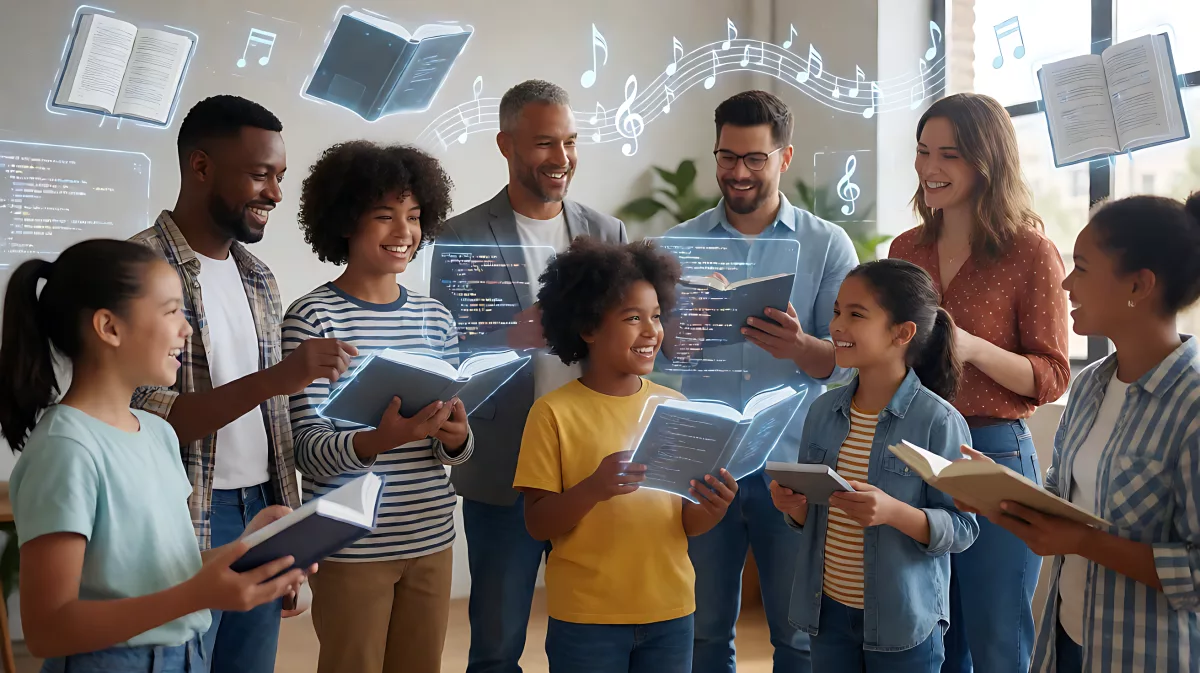
Discover how modern learning integrates cognitive science with AI tools. From classroom innovations to workplace upskilling, see how you can master new skills efficiently in 2026.
Learning is the continuous process of acquiring new knowledge, skills, and behaviors that adapts to changing environments and technologies. In 2026, this process is increasingly augmented by artificial intelligence, which personalizes education and automates feedback loops for students and professionals alike. Understanding how the brain processes information allows learners to use digital tools more effectively, turning curiosity into tangible expertise.
How Does Human Learning Actually Work?
Human learning is not just about memorizing facts; it is a complex biological process that begins before birth and continues until death. Research in neuropsychology and cognitive science reveals that the brain is capable of habituation and sensitization, which are basic forms of non-associative learning. However, higher-order learning involves associative processes, such as classical and operant conditioning, where learners connect causes and effects.
Societies have always recognized the power of play and social interaction in this process. Lev Vygotsky, a prominent educational psychologist, argued that play is the primary context in which children make meaning of their environment. They learn rules, symbols, and communication through interactive games. This concept of zone of proximal development suggests that learning happens most effectively when a slightly more knowledgeable peer or teacher guides the learner, a principle that modern AI tutors are now beginning to emulate at scale.
What Role Does AI Play in Modern Education?
As of 2026, artificial intelligence has shifted from a novelty to a core component of the educational landscape. Major technology companies have integrated AI into their learning platforms to help billions of users navigate information. For instance, educational providers now use large language models to generate personalized lesson plans, provide immediate feedback on assignments, and enhance digital accessibility for students with varying needs.
This technology is not limited to schools. In the workplace, AI tools help employees work smarter by automating routine tasks and assisting with complex problem-solving. Training modules for coding, cloud computing, and data analysis are now adaptive, meaning they adjust the difficulty and pace based on the individual’s performance. This shift allows professionals to upskill without leaving their jobs, addressing the growing demand for technical literacy in non-technical industries.
How Do AI Tutors Change the Classroom?
In schools, AI acts as a force multiplier for teachers. By handling administrative duties and providing instant answers to common student questions, AI frees up educators to focus on mentorship and creative instruction. Studies indicate that personalized AI feedback can significantly reduce the time students spend on ineffective study methods, leading to better retention and understanding of complex subjects like mathematics and science.
Is There a Scientific Method to Learn Faster?
Yes, evidence-based learning strategies are crucial for maximizing retention. Rote memorization is often less effective than meaningful learning, where new information is connected to existing knowledge. Cognitive scientists recommend techniques such as spacing out study sessions over time and interleaving different topics to promote long-term memory. These methods align with how the brain naturally consolidates information during sleep and rest.
Furthermore, active learning—where the learner engages directly with the material through practice and reflection—outperforms passive consumption of videos or text. The goal is to move from simply knowing information to being able to apply it in real-world scenarios. This practical application is what distinguishes true competence from superficial familiarity.
Can Adults Really Learn New Skills at Any Age?
Absolutely. The brain retains neuroplasticity throughout adulthood, meaning it can form new neural connections at any stage of life. The key is consistent practice and engagement. While it may take longer to learn a new language or instrument later in life compared to childhood, the ability to adapt and acquire new skills remains robust. Lifelong learning is now recognized not just as a personal benefit but as a societal imperative to maintain workforce productivity and civic engagement.
What Are the Best Digital Tools for Self-Directed Study?
The digital landscape in 2026 offers a vast array of resources for independent learners. Specialized platforms provide free and premium courses in nearly every discipline, from software engineering to graphic design. These platforms often feature community forums and project-based assessments that simulate real-world work. For developers, tools that allow for immediate code execution and error correction are particularly useful for accelerating the learning curve.
In addition to course providers, search engines and knowledge bases have evolved to be more learning-centric. They now curate step-by-step guides, interactive simulations, and verified answers to help users understand concepts rather than just providing links. This shift makes it easier for anyone, regardless of their background, to access high-quality information and learn at their own pace.
How Can You Build a Personal Learning Routine?
Building a sustainable learning routine requires setting clear goals and choosing the right resources. Start by identifying a specific skill you want to improve, then break it down into smaller, manageable tasks. Allocate dedicated time for study, and use active recall techniques to test your knowledge regularly. Consistency is more important than intensity; short, frequent sessions are often more effective than long, sporadic cramming sessions.
Finally, seek out communities of practice. Joining online groups or local meetups allows you to share insights and receive feedback. This social aspect of learning provides motivation and accountability, making it easier to stick with a new skill. By combining scientific principles with modern digital tools, you can create a personalized learning path that fits your lifestyle and career objectives.
Frequently Asked Questions
What is the difference between formal and informal learning?
Formal learning is structured, such as attending a university or taking a certified corporate training course. It usually results in a credential. Informal learning is self-directed and unstructured, such as picking up a new hobby, reading books, or watching tutorial videos. Both are valuable, and the most successful learners often blend both approaches to deepen their expertise.
Does learning in short bursts work better than marathon sessions?
Research in cognitive psychology generally supports the idea that spaced repetition and short, focused sessions lead to better long-term retention. This is often called the spacing effect. While deep work is necessary for complex tasks, breaking study into manageable chunks with rest periods helps prevent cognitive fatigue and improves memory consolidation.
How can I apply learning to my current job without quitting?
You can use micro-learning strategies, which involve studying small amounts of information during breaks or commutes. Many organizations offer internal upskilling programs that are directly relevant to your role. Additionally, applying new concepts to small projects at work, even if they are not your primary responsibility, can demonstrate value and solidify your new skills through practical application.
Is it too late to start learning a new language at 50?
No, it is never too late. While children may have an advantage in accent and grammar absorption, adults possess superior vocabulary and logical reasoning skills that can aid in language learning. With consistent practice and the right tools, adults can achieve conversational fluency. The motivation and life experience of an adult learner can actually accelerate the process in many cases.