Trip Hazard Insurance for Assisted Living Facilities
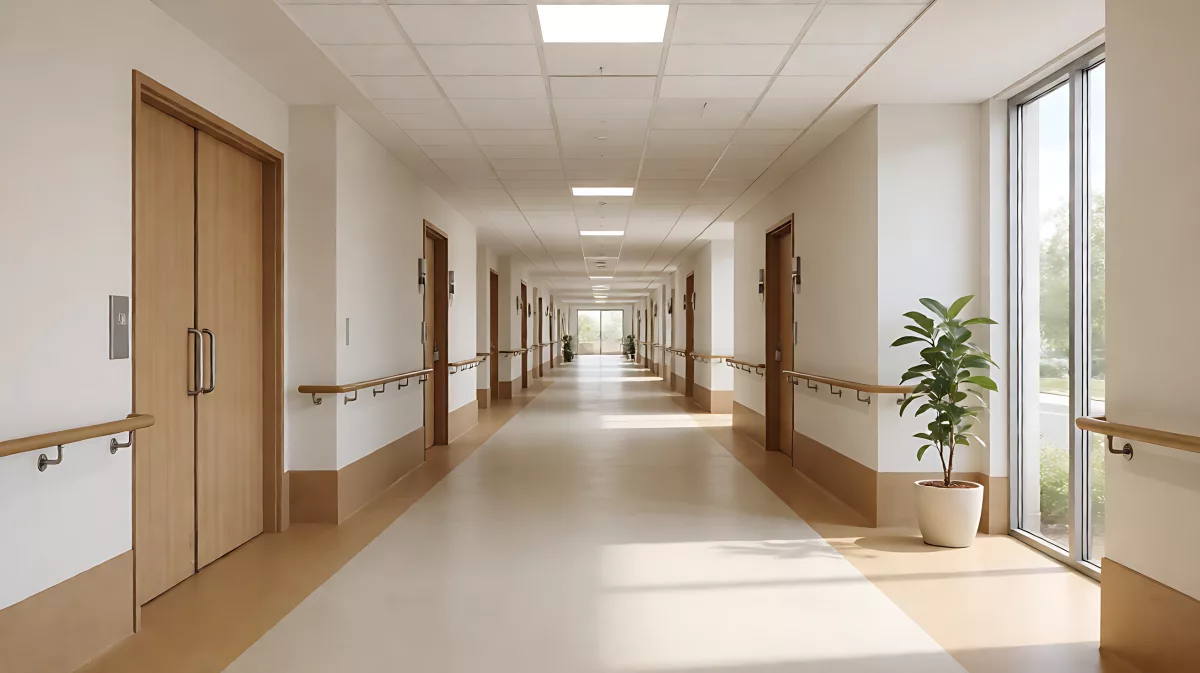
Trip hazards remain a primary source of liability claims in senior care. This guide explains how specialized insurance covers these risks, including premium factors and safety protocols.
Assisted living facilities face significant financial risk from trip and fall incidents, which constitute a large portion of liability claims in senior care. Specialized insurance policies provide essential protection by covering legal defense costs and settlements related to resident injuries caused by facility hazards, with standard limits often reaching $1 million per claim and $3 million in aggregate.
What is trip hazard liability insurance?
Trip hazard liability is a critical component of premises liability coverage for senior residential facilities. While general liability insurance covers third-party injuries on the property, facilities housing older adults require specific attention to risks associated with mobility impairments. These policies protect the facility when a resident or visitor sustains an injury due to environmental factors, such as uneven flooring, loose carpets, poor lighting, or obstacles in walkways. In the context of long-term care, the legal threshold for establishing negligence is often scrutinized closely, meaning that even minor environmental defects can lead to substantial claims if they contribute to a serious injury.
How does this coverage differ from standard general liability?
Standard general liability policies may exclude or restrict coverage for professional negligence or specific care-related incidents. However, for environmental hazards like trip risks, the line is drawn between the facility's duty of care and the resident's actions. Insurance specifically tailored for assisted living providers recognizes that the facility has a higher duty of care to prevent hazards that could impede mobility. This specialized coverage ensures that if a resident trips on a well-known hazard that the facility failed to address, the insurer will defend the facility and pay any judgment up to the policy limits. It is distinct from professional liability, which covers errors in medication or medical judgment, though both are often bundled in comprehensive senior care packages.
Why are trip hazards a top risk in senior care?
Falls and trips are the most frequent incidents reported in assisted living environments. As of 2026, industry data indicates that premises liability claims remain a leading category for litigation in the senior housing sector. The physical decline associated with aging increases the likelihood that a small obstacle, such as a curled carpet edge or a low-placed piece of furniture, can result in a severe injury like a hip fracture. For facility administrators, this creates a continuous need for risk assessment. Insurers often require proof of regular inspections and mitigation strategies to maintain lower premium rates. The cost of a single major injury claim can exceed the annual operating budget of many small facilities, making insurance a vital financial safeguard.
What factors influence insurance premiums for these risks?
Premiums for facilities with high exposure to trip hazards are determined by several key variables. Loss history is the most significant factor; a facility with a clean record of preventing falls will pay substantially less than one with frequent minor injuries. Additionally, the square footage of the facility, the number of residents, and the average age and mobility level of the population play crucial roles. Insurers also look at the facility's risk management protocols. The presence of certified safety officers, documented floor inspections, and automated lighting systems can all lead to discounts. Conversely, outdated infrastructure that creates constant environmental hazards will drive up costs or lead to coverage exclusions.
How can facilities mitigate trip hazard risks to lower costs?
Proactive risk management is the most effective way to reduce insurance premiums and prevent claims. Facilities should implement a rigorous inspection schedule that targets high-traffic areas, including hallways, bathrooms, and common rooms. Using non-slip mats and securing loose rugs are basic but essential steps. Lighting must be consistent and bright enough to allow residents to see minor level changes in flooring. Furthermore, training staff to document near-miss incidents creates a valuable data set that demonstrates diligence to insurers. Many professional liability and premises liability carriers, such as those offering tailored senior care plans, offer risk engineering advice as part of the service, helping facilities identify and remediate hazards before they result in litigation.
What specific coverage limits should administrators seek?
Given the high cost of medical treatment and long-term care for fall victims, low coverage limits are insufficient. A baseline of $1 million per occurrence is standard, but many multi-state operations seek $2 million or more to ensure stability. Furthermore, it is crucial to check for aggregate limits, which cap the total amount the insurer will pay over a policy period. If a facility experiences multiple trip claims in one year, a low aggregate limit could exhaust the policy, leaving the facility responsible for subsequent claims. Umbrella insurance is also recommended to provide additional layers of protection above the primary policy limits, covering gaps that may arise from unusual legal defenses or extended liability periods.
What role does compliance play in insurance eligibility?
Regulatory compliance directly impacts insurance availability and cost. Facilities must adhere to state and federal safety standards, which often include specific requirements for fall prevention. Non-compliance with building codes or safety regulations can result in higher premiums or the outright denial of coverage. Insurers view regulatory violations as indicators of poor risk management. By maintaining a strict compliance program, facility owners demonstrate that they are operating within the industry's best practices. This not only protects the residents but also satisfies the underwriting requirements of major carriers, ensuring that coverage remains affordable and accessible.
Frequently Asked Questions
Does general liability insurance automatically cover trip and fall injuries?
While general liability does cover premises issues, standard policies may contain exclusions for specific professional care environments. It is safer to purchase a tailored assisted living liability policy that explicitly includes premises liability for environmental hazards, ensuring that no gaps exist between property damage and bodily injury claims related to resident mobility risks.
How often should a facility conduct safety inspections to satisfy insurers?
There is no universal rule, but weekly spot checks and monthly comprehensive audits are best practices. Insurers prefer to see documented records of these inspections. The frequency should increase if a new hazard is identified or if a claim has recently occurred, demonstrating that the facility is actively managing its risk profile.
What is the difference between trip hazard coverage and professional liability?
Trip hazard coverage falls under premises liability, addressing environmental risks like bad flooring or lighting. Professional liability covers errors in care, such as medication mistakes or improper supervision. A comprehensive senior care policy usually bundles both, but understanding the distinction helps administrators ensure that both environmental and care-delivery risks are adequately funded.
Can a facility be liable for a resident's trip if the resident was careless?
Liability often hinges on the concept of contributory negligence versus the facility's duty of care. Even if a resident is partially at fault, the facility can still be held liable for hazards that should have been clearly marked or removed. Insurance should cover these shared fault scenarios, but the percentage of liability assigned will affect the settlement amount.