Senior Care Software 2026: Top Picks & Buyer's Guide
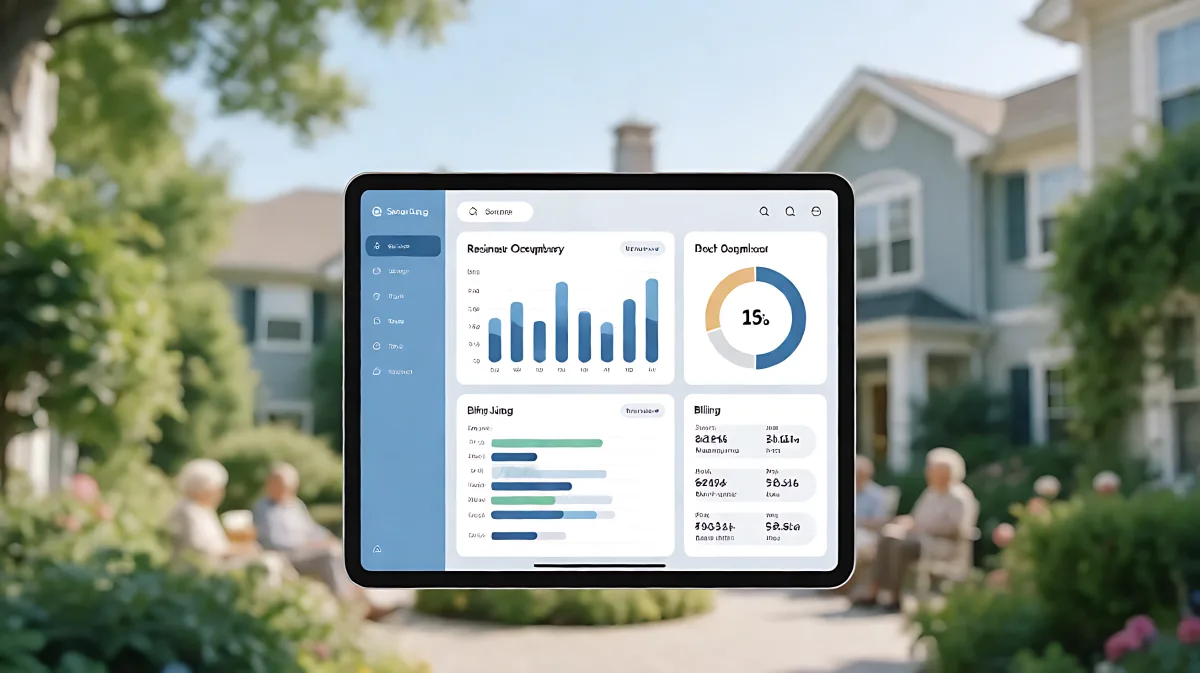
The senior care industry is undergoing a digital transformation in 2026. This guide analyzes the top-rated platforms for residential communities and home care agencies, helping you select the right software to improve efficiency and resident outcomes.
Software for senior care and living operations in 2026 focuses on connecting clinical records, billing, and daily workflows into single, integrated platforms. Leading solutions now prioritize mobile documentation, automated incident reporting, and real-time family communication to reduce administrative burden. The goal is to replace fragmented spreadsheets with unified systems that improve occupancy management and staff efficiency, addressing the high-pressure environment where senior housing occupancy reached 89.9% in the second quarter of 2026.
What Is Senior Care Software in 2026?
Senior care software is a broad term for the digital tools used to manage operations in residential communities, home care agencies, and assisted living facilities. In 2026, the industry has moved away from siloed applications toward integrated ecosystems. These systems handle resident records, medication administration, billing, and staff scheduling simultaneously. The shift is driven by the need for higher accuracy and faster response times in care delivery. Major industry surveys indicate that more than half of senior living leaders consider technology a critical driver for their strategic goals over the next two years, with many currently in the piloting or rollout phase of new digital tools.
How Does It Differ from Senior Living Management?
While often used interchangeably, there is a distinct functional difference between home care software and senior living management systems. Home care platforms, such as those used by agencies, focus on scheduling caregivers, tracking visits, and managing mobile documentation. In contrast, senior living software is built for on-site residents. It manages census, room turnover, maintenance work orders, and dining services. Communities like independent living or memory care facilities require specific compliance features that generic health software may not address. Operators must choose a platform that aligns with their specific licensing requirements, as state regulations vary significantly across the US and UK markets.
What Are the Top-Rated Platforms?
Independent evaluations of the market in 2026 highlight several key players based on feature depth, ease of use, and value. CareSmartz360 is widely regarded for its mobile documentation capabilities, which allow caregivers to record incidents and visit details directly on their devices, streamlining the flow from care notes to billing. For teams focused on shift consistency, CareVoyant offers robust handoff documentation that ensures clinical context is maintained between shifts. Enterprise-level operators often turn to WellSky Personal Care or PointClickCare, which provide comprehensive management for large facilities. These systems are designed to handle complex workflows, including multi-state compliance and large-scale staff management, ensuring that data integrity is maintained across different units and locations.
What Features Should You Prioritize?
When evaluating software for your facility in 2026, look for three core capabilities: automated billing, mobile-first design, and family communication portals. Automated billing ensures that charges are calculated based on actual services delivered, reducing revenue leakage. Mobile-first designs allow frontline staff to input data on tablets or phones rather than paper forms, which speeds up record-keeping and reduces errors. Family communication portals keep loved ones informed about resident activities and health updates, which is a major factor in retention and satisfaction. Additionally, verify that the software supports electronic signatures for move-in paperwork and integrates with existing accounting systems to streamline the financial workflow. The ability to generate custom reports on occupancy and revenue per available unit is also crucial for executive decision-making.
How Much Does Senior Care Software Cost?
Pricing models in the senior care software sector typically follow a per-resident or per-user subscription structure. For smaller home care agencies, entry-level plans may start at a few dollars per caregiver per month, scaling up for larger enterprises that require dedicated support and custom integrations. Enterprise platforms for senior living communities often charge based on the number of residents, which aligns costs with facility size. It is important to calculate the total cost of ownership, which includes not just the subscription fee but also data migration, training, and potential hardware upgrades for mobile devices. While the upfront investment is significant, the long-term savings from reduced administrative staff hours and improved billing accuracy often outweigh the costs within the first year of implementation. Vendors increasingly offer tiered pricing to accommodate small, medium, and large operators.
What Are the Challenges in Implementation?
Switching to a new software system in 2026 presents several challenges, primarily data migration and staff adoption. Moving historical records from legacy systems or paper files requires careful validation to ensure no data is lost. Staff resistance is another common hurdle; however, modern platforms are designed with intuitive interfaces to minimize the learning curve. Successful implementations often involve phased rollouts, where one department or unit adopts the system before expanding to the entire facility. Training programs are essential, and vendors typically provide onboarding support to guide teams through the transition. It is critical to maintain a clear communication plan to ensure that all stakeholders understand the benefits of the new system, which helps in driving buy-in from both management and frontline care staff.
FAQ
What is the average occupancy rate for senior living in 2026?
According to industry data from NIC MAP, senior housing occupancy reached 89.9% in the second quarter of 2026. This figure is a historical high, indicating that communities are operating near full capacity. This trend drives the need for efficient software to manage move-ins and resident care with minimal downtime.
Can senior care software be used for home care agencies?
Yes, but you must select a platform designed for home care. These systems focus on caregiver scheduling, visit documentation, and electronic visit verification (EVV). Residential community software, on the other hand, is built for on-site residents and manages facility operations like dining and maintenance, which are irrelevant to home care agencies.
How long does it take to implement a new senior care system?
Implementation times vary, but most facilities can go live within 90 to 180 days. The timeline depends on the complexity of data migration and the number of staff who need training. Phased rollouts can extend the full deployment period but reduce risk by allowing teams to master one module before moving to the next.
Is cloud-based software more secure than on-premise?
Cloud-based solutions generally offer enhanced security in 2026, as they benefit from continuous updates and dedicated cybersecurity teams. Major providers comply with strict data protection regulations, ensuring that resident data is encrypted in transit and at rest. On-premise systems require the facility to manage its own security infrastructure, which can be a significant burden and liability if not properly maintained.