Testing Lead and Mold in Seniors Homes
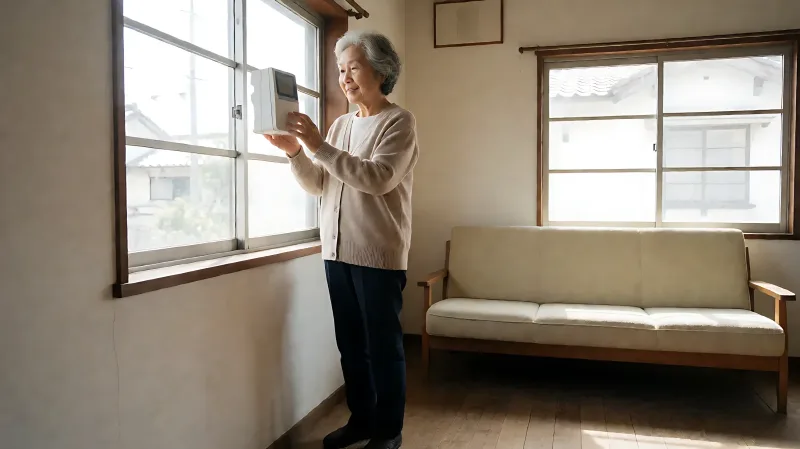
Seniors living in older homes face heightened risks from lead and mold. This guide explains how to test for these toxins safely and steps to reduce exposure for better health.
Seniors living in older homes face significant risks from hidden toxins like lead and mold, which can worsen respiratory and cognitive health. To ensure safety, test visible surfaces with XRF lead paint testers and use air sampling kits for mold in damp areas. Remediate confirmed hazards by hiring certified professionals, controlling humidity below 50%, and sealing peeling paint to protect vulnerable residents.
Why Older Homes Pose Unique Risks for Seniors
Many homes built before 1978 contain lead-based paint, a toxic material that was banned by the US Consumer Product Safety Commission but remains in millions of US and UK residences. According to the CDC, lead exposure has no safe level and can cause irreversible neurological damage, particularly in older adults with reduced kidney function or cognitive decline. Approximately 29.4% of US housing units have lead-based paint, making it a critical concern for aging-in-place residents.
Mold is equally prevalent, with roughly 47% of residential buildings reporting visible mold or odor. The UK Health Security Agency and Canada’s Health Canada both highlight that seniors are at higher risk for adverse effects from mold exposure, including worsened asthma, bronchitis, and cognitive symptoms like memory loss and dizziness. Because older adults often have compromised immune systems or chronic respiratory conditions, even low-level exposure can lead to significant health declines.
How to Test for Lead Paint Safely
Testing for lead requires caution to avoid disturbing dust or paint chips. Start by identifying high-risk areas such as window sills, door frames, and exterior trim where paint may be peeling. The CDC recommends using X-ray fluorescence (XRF) meters, which are non-invasive and do not break the surface. These devices are available through local housing authorities or can be purchased for professional use.
- Visual Inspection: Look for chipping, peeling, or dust-covered paint, especially near areas where seniors frequently sit or walk.
- Wipe Sampling: For dry surfaces, dampen a cloth and rub a 30-inch length of the painted area. Send the swab to an EPA-recognized lab for analysis.
- Professional Assessment: If the home is pre-1978 and renovations are planned, hire a certified lead inspector. They can perform air sampling to detect lead dust levels in the living space.
In the UK, lead testing is often part of a pre-purchase survey, but seniors in existing homes should request testing from their local council or a private inspector if they suspect peeling paint. Never scrape or sand lead paint without proper containment, as this releases toxic dust.
How to Detect and Confirm Mold Growth
Mold testing is less straightforward because the EPA does not endorse specific home test kits. However, DIY kits are available and can provide initial data. For seniors, who may not be able to perform strenuous testing themselves, family members or hired inspectors should conduct the assessment.
What Should You Look for Before Testing
Before using a kit, visually scan for signs of water damage, such as warped drywall, dark stains on ceilings, or a persistent musty odor. If you see visible mold, testing is unnecessary; remediation is the priority. For hidden growth behind walls or under carpets, use air sampling kits that capture spores in a controlled environment over a 24-hour period.
- Surface Sampling: Use swabs or tape lifts on suspected spots. Send samples to a lab to identify the species.
- Air Sampling: Petri dish kits expose the air in a closed room for 48-72 hours. High spore counts may indicate a problem, but labs must compare these to outdoor baseline levels for accuracy.
- Professional Inspection: For large infestations, hire a certified mold inspector who can perform thermal imaging to locate moisture sources and air quality testing.
According to Health Canada, mold risk is elevated when indoor humidity exceeds 60%. Use a hygrometer to monitor levels, particularly in basements and bathrooms. If the air feels damp or windows are sweating, immediate action is required.
Practical Steps to Reduce Lead Exposure
Once lead is confirmed, the goal is to prevent ingestion or inhalation of dust. Seniors should be kept away from affected areas during any repair work. The CDC advises using wet mopping and HEPA filtration to clean dust rather than dry sweeping, which stirs particles into the air.
Sealing intact lead paint with primer and coating can stabilize it, reducing dust generation. If paint is heavily damaged, professional abatement is necessary. This involves removing the material and controlling the work zone with plastic sheeting and negative air pressure to prevent spread. In plumbing, replace lead pipes or use filtration systems that are certified to remove lead, such as those approved by the NSF.
How to Eliminate Mold and Prevent Recurrence
Mold removal is not just about cleaning; it is about fixing the moisture source. Without addressing leaks, condensation, or poor ventilation, mold will return. For small areas under 10 square feet, homeowners can clean using detergent and water or a vinegar solution, wearing gloves and an N95 mask. For larger areas or sensitive occupants like seniors, hire a professional remediation contractor who follows IICRC S520 standards.
- Fix Water Ingress: Repair roof leaks, seal foundation cracks, and ensure downspouts direct water away from the building.
- Control Humidity: Maintain indoor humidity between 30% and 50% using dehumidifiers. In humid climates, run exhaust fans in kitchens and bathrooms for at least 30 minutes after use.
- Improve Airflow: Ensure HVAC systems are clean and filters are replaced regularly. Consider air duct cleaning if spores are circulating through the system.
After remediation, verify the work with a post-cleaning test to ensure spore levels have returned to normal. Document all repairs and testing results for your records.
Frequently Asked Questions
Is it safe to live in a home with lead or mold while it is being fixed
No. During lead abatement or mold remediation, residents should stay in temporary housing. The process generates dust and spores that can be hazardous. The CDC and EPA both recommend vacating the premises until the work is complete and professional clearance tests confirm the area is safe.
Do home test kits for mold provide accurate results
Home kits can detect high spore counts but often lack context without outdoor comparison. The EPA does not recommend them for definitive diagnosis. For seniors, professional air quality assessment is more reliable as it includes baseline testing and detailed species identification.
How often should seniors have their home tested for toxins
Lead testing is recommended before any renovation of pre-1978 homes. Mold testing should be done after any water damage event, such as a leak or flood. Routine air quality checks are beneficial annually, especially if residents have respiratory conditions or notice persistent odors.
Can I clean mold in a senior’s home without hiring a pro
You can clean small areas if the senior is not physically present and the mold is less than 10 square feet. However, because seniors are more susceptible to spore exposure, it is safer to hire a professional who can isolate the area and use HEPA filtration to protect the resident’s health.