Achieve Acoustic Comfort at Home: 5 Proven Steps
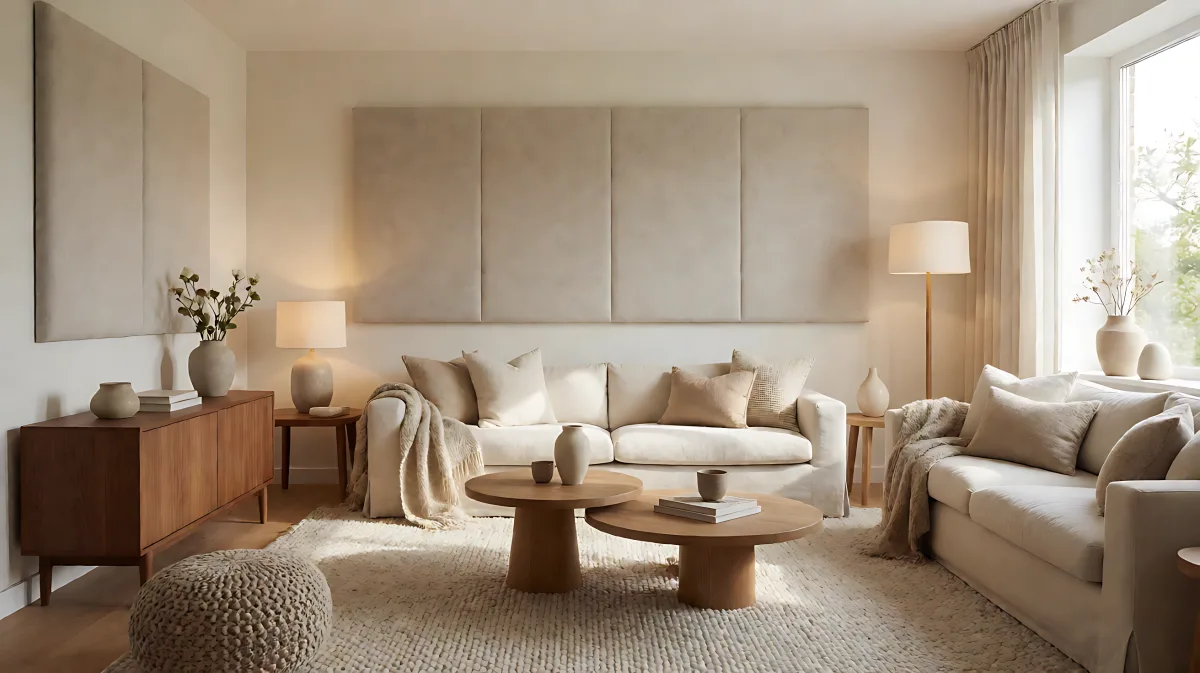
Discover practical steps to enhance acoustic comfort in your home, from managing background noise to using soft materials and proper furniture arrangement.
Acoustic comfort refers to the quality of a room's sound environment, measured by how well it absorbs, blocks, and diffuses noise to prevent distraction and fatigue. Achieving it involves controlling reverberation, managing background noise, and using materials that soften sound reflections.
What is Acoustic Comfort and Why Does It Matter?
Acoustic comfort is not just about silence; it is about creating a balanced soundscape. When sound levels are too high or too echoey, it can lead to stress, difficulty concentrating, and social withdrawal. Research highlights that poor acoustics significantly impact well-being, particularly for older adults and those with hearing loss. For instance, one in three people over the age of 60 experience hearing loss, making clear sound transmission essential for social engagement.
How Can You Measure Your Room's Acoustic Health?
You can perform a simple "clap test" to gauge reverberation. Stand in the center of the room and clap once. If the echo lingers for more than 0.6 to 0.8 seconds in a standard living space, the room likely has too many hard surfaces that reflect sound. This metric helps identify the need for absorption materials.
How Do You Reduce Echo and Reverberation?
Hard surfaces like bare walls, glass, and stone floors reflect sound waves, causing echoes. To fix this, introduce soft materials that absorb sound. A thick rug with a face weight of 40 to 60 ounces, combined with a felt underlay, can significantly reduce mid-to-high frequency reflections. Upholstered furniture with high backs and cushions made from mixed textures, such as bouclé or velvet, also help by scattering and absorbing sound across different frequencies.
What Role Do Ceilings Play in Sound Control?
Hard ceilings can amplify noise levels throughout a room. If acoustic tiles are not an option, consider using fabric-wrapped cloud panels or wooden slat baffles with acoustic backing. Placing one or two of these panels directly above a dining table or conversation area can reduce clatter without dampening the energy of the entire space.
How Can You Manage Noise Leakage and Transmission?
Sound travels through gaps and solid structures. To improve sound isolation, weatherstrip doors and add solid-core doors where possible. For windows, while double glazing helps, adding lined drapes or cellular shades creates an additional acoustic barrier. It is crucial to address structure-borne noise, such as footsteps, by using underlayment with a high Impact Insulation Class rating, ideally above 60, to prevent vibrations from traveling through the floor.
What Is the Best Furniture Arrangement for Acoustics?
Furniture placement is a powerful acoustic tool. Position sofas at a 10 to 15-degree angle to the walls to disrupt flutter echoes. Moving seating 6 to 12 inches away from walls can enhance bass quality and prevent sound from bouncing back sharply. Creating distinct "quiet zones" with rugs and seating clusters helps contain conversation within specific areas of the room.
Common Mistakes in Home Acoustic Design
Many homeowners assume that buying expensive soundproofing foam is the only way to reduce noise, but in fact, simple layout changes and textile additions often yield the most noticeable results for echo and reverberation. Overly treating a room with absorbent materials can make it feel "dead" or lifeless; the goal is balance, not total silence.
Actionable Steps to Improve Your Home's Sound
- Identify Hard Surfaces: Walk through your home and note rooms with bare walls, glass, or stone floors that cause echo.
- Add Absorption: Place thick rugs and heavy curtains in noisy areas to absorb mid and high frequencies.
- Check Door Gaps: Install weatherstripping and door sweeps to prevent sound leakage between rooms.
- Rearrange Furniture: Angle sofas away from walls and create rug-based conversation zones to control sound paths.
- Test Reverberation: Use the clap test to ensure echo times are under 0.8 seconds in main living areas.
FAQ
What is the ideal background noise level for a home?
For a comfortable home environment, aim to keep background noise levels between 35 and 45 decibels. This range allows conversations to remain clear without causing fatigue, similar to the standards recommended for comfortable office environments.
Do carpets really help with soundproofing?
Yes, carpet and thick rugs are excellent at absorbing sound and reducing echo. While they do not block sound transmission through walls (soundproofing), they significantly improve acoustic comfort by reducing reverberation within the room.
How can I reduce noise from neighbors without remodeling?
You can improve sound isolation by sealing gaps around doors and windows, adding mass to lightweight doors, and using heavy curtains. For structural noise, adding thick rugs with dense pads can help dampen footstep vibrations.