Swollen Lymph Nodes in Older Adults: Causes & Biopsy
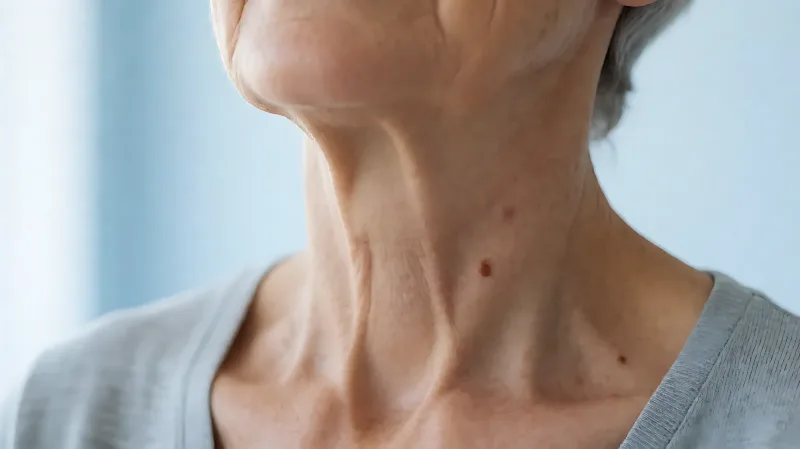
Swollen lymph nodes are common, but in adults over 40, the risk of underlying cancer increases. Learn how doctors distinguish between infection and malignancy, and when a biopsy is required.
Swollen lymph nodes in older adults are usually caused by viral or bacterial infections, but malignancy becomes a significant concern after age 40. While infection is the most common reason for lymph node swelling, the risk of underlying cancer rises from 1% to approximately 4% in adults over 40, according to data from the MSD Manuals. If a node remains swollen for more than two weeks, feels hard, or is associated with unexplained weight loss, a doctor may order a biopsy to rule out serious conditions like lymphoma or metastatic cancer.
For more information, see NIA health information for older adults from the National Institute on Aging.
Why Do Lymph Nodes Swell?
Lymph nodes are small, bean-shaped filters that make up part of the immune system. They trap bacteria, viruses, and abnormal cells that circulate in the lymphatic fluid. When the body fights an infection, immune cells gather in these nodes, causing them to enlarge. In most cases, this is a healthy response to common ailments like the flu, strep throat, or a tooth infection. However, persistent swelling can indicate that the immune system is under attack from a more serious threat, such as cancer cells spreading from another part of the body.
What Is the Difference Between Lymphadenopathy and Lymphadenitis?
Doctors use specific terms to describe the state of the nodes. Lymphadenopathy is the general term for swollen lymph nodes. Lymphadenitis refers to inflammation of the lymph nodes, which is typically painful and associated with infection. If the nodes are tender, red, or warm to the touch, infection is the likely cause. If the nodes are painless, hard, and fixed in place, malignancy must be considered.
When Should Older Adults Worry?
Age significantly changes the probability of cancer. According to the National Cancer Institute, cancer risk increases with age because genetic mutations accumulate over time. For adults under 40, the chance that swollen nodes are caused by cancer is roughly 1%. For those over 40, that risk climbs to about 4%. While 4% may sound low, it is four times higher than for younger adults, making timely evaluation essential.
What Are the Warning Signs of Cancerous Lymph Nodes?
Certain characteristics suggest a need for urgent medical attention. The following red flags are often cited by health organizations like the American Cancer Society:
- Size: Nodes that are larger than one centimeter (about half an inch) and continue to grow.
- Texture: Nodes that feel hard, rubbery, or stony and do not move easily under the skin.
- Location: Swelling in areas not typically associated with common infections, such as the collarbone or the left side of the abdomen.
- Duration: Swelling that persists for more than two to three weeks without other symptoms of a cold or flu.
- Systemic Symptoms: Unexplained weight loss, night sweats, or persistent fever known as B symptoms.
How Do Doctors Diagnose the Cause?
Diagnosis begins with a thorough physical exam and medical history. The doctor will check for signs of infection nearby, such as a sore throat or skin rash. They will also ask about recent travel, exposure to pets (such as cat scratch disease), or high-risk behaviors that could lead to HIV or tuberculosis.
When Is a Biopsy Necessary?
A biopsy is a procedure where a small sample of tissue is removed from the lymph node for examination under a microscope. It is the gold standard for confirming cancer. Doctors usually reserve biopsies for cases where imaging tests (like ultrasound or CT scans) are inconclusive or when the clinical presentation strongly suggests malignancy. For older adults, a fine-needle aspiration (FNA) is often the first step. If the FNA results are unclear, a core needle biopsy or an excisional biopsy (removing the whole node) may be required.
What Role Does Imaging Play?
Before a biopsy, doctors may use ultrasound to determine if the node is benign or suspicious. A PET scan can help identify metabolically active areas of the body, which can help pinpoint the source of cancer if metastasis is suspected. These non-invasive tests help guide the decision to perform a more invasive biopsy procedure.
What Are the Most Common Infections?
Even in older adults, infections remain the leading cause of swollen nodes. Common culprits include:
- Viral infections: Influenza, Epstein-Barr virus (mononucleosis), and HIV.
- Bacterial infections: Strep throat, streptococcal pharyngitis, and tuberculosis.
- Fungal infections: Histoplasmosis, which is more common in certain geographic regions of the United States.
The Centers for Disease Control and Prevention (CDC) notes that certain populations are more susceptible to specific infections. For example, older adults may have a weaker immune response, making even minor infections more likely to cause noticeable swelling.
How Is Cancer Treated in Older Adults?
If a biopsy reveals cancer, treatment depends on the type of cancer and the patient's overall health. Common cancers that cause lymph node swelling include lymphoma (Hodgkin and non-Hodgkin), leukemia, and metastatic cancers from the lungs, breast, or stomach. Modern treatments often include immunotherapy, which helps the body’s immune system fight cancer cells. The American Cancer Society reports that early detection significantly improves survival rates. For instance, the five-year survival rate for all cancers combined in the US is approximately 66%, but it is much higher for lymphomas when caught early.
What Are the Risks of a Biopsy?
While generally safe, biopsies carry risks such as bleeding, infection, and bruising. Older adults may have thinner skin or blood vessel issues, which can affect healing. Doctors weigh the risks against the benefits, often starting with less invasive tests. If cancer is confirmed, the biopsy result also helps determine the specific stage and type of cancer, which is critical for planning effective treatment.
FAQ
Do I need to see a doctor if I have a swollen lymph node?
Yes, if the swelling lasts longer than two weeks, is painful, or is accompanied by fever, weight loss, or night sweats. A doctor can determine if it is an infection that needs antibiotics or if further testing is needed.
Can a swollen lymph node in my neck be cancer?
It is possible, but less likely than infection. In adults over 40, the risk is around 4%. If the node is hard, painless, and persists, a doctor will likely recommend an ultrasound or biopsy to be sure.
What is the first test doctors order for swollen nodes?
Doctors usually start with a physical exam and blood tests. An ultrasound is often the next step to visualize the node’s structure. A biopsy is reserved for cases where cancer is strongly suspected.
How quickly should I get a biopsy if cancer is suspected?
There is no need for panic, but delay is not recommended. Most oncologists aim to schedule a biopsy within one to two weeks of suspicion to ensure prompt treatment planning.
Can antibiotics shrink swollen lymph nodes?
Only if the swelling is caused by a bacterial infection. If the cause is viral or cancerous, antibiotics will have no effect. This is why identifying the root cause is crucial before starting treatment.