Swallowing Disorder Diets: Texture Modifications & Safety Tips
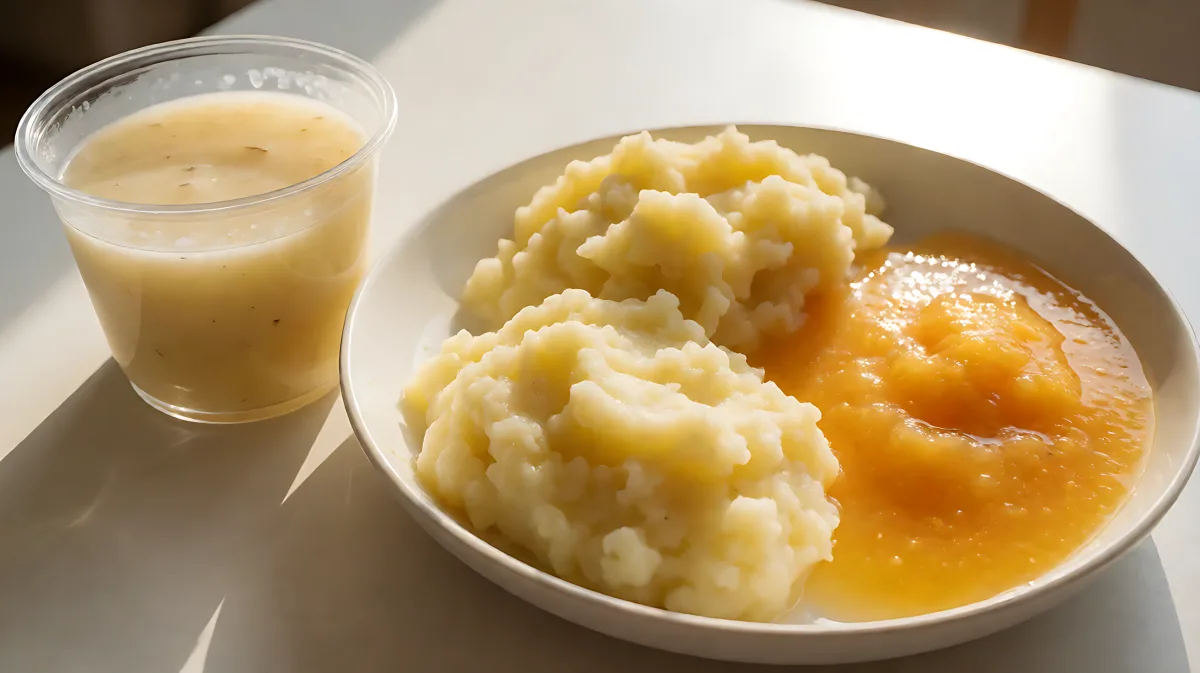
Eating becomes a challenge when you have a swallowing disorder. Learn how to navigate IDDSI levels, choose safe food textures, and reduce the risk of aspiration with simple dietary adaptations.
If you have been diagnosed with a swallowing disorder, or dysphagia, changing what and how you eat is the most critical step to prevent choking and aspiration pneumonia. According to the American Speech-Language-Hearing Association, dietary adaptation involves modifying food textures to IDDSI (International Dysphagia Diet Standardisation Initiative) levels that your throat muscles can safely handle. This means moving away from mixed textures toward uniform consistencies, such as nectar-thick liquids or ground-level foods, to ensure every bite stays on the correct path into your stomach.
Why Dietary Changes Are Essential for Swallowing Safety
A healthy throat coordinates a complex series of muscle movements to push food past the airway. When this coordination is impaired due to conditions like stroke, Parkinson’s disease, or head and neck cancer, food or liquid can accidentally enter the lungs, a known as aspiration. The National Institute on Aging highlights that aspiration is a leading cause of pneumonia in older adults, yet it is highly preventable with the right diet. By reducing the complexity of food textures, you lower the cognitive and physical effort required to swallow, significantly decreasing the risk of food particles leaking into the airway.
What Are IDDSI Levels and How Do They Help?
IDDSI provides a standardized global framework for describing food textures and liquid consistencies. Instead of vague terms like "soft" or "thin," IDDSI uses a scale from 0 (Liquid) to 7 (Regular). For patients with swallowing difficulties, healthcare providers typically prescribe specific IDDSI levels. For example, Level 2 (Thin Thickened) or Level 3 (Standard Thickened) liquids require specific viscosity to slow down transit time, giving your airway time to close. Understanding these levels ensures you prepare foods correctly at home, whether you are cooking for yourself or instructing a caregiver. It removes guesswork and creates a consistent safety baseline.
Practical Food Textures for Different IDDSI Levels
Adapting your diet involves more than just softening food; it often requires changing the moisture content and temperature of meals. Here is how to approach common IDDSI modifications:
- Puree Level (IDDSI 4): This texture is smooth and cohesive. Think of the consistency of thick applesauce or yogurt. Foods like mashed potatoes, scrambled eggs (well cooked), and pureed meats should have no lumps. A spoon should be able to pick up the food without it sliding off.
- Soft and Bite-Sized (IDDSI 6): This level includes foods that are moist and easy to chew, such as soft-boiled eggs, ripe bananas, or steamed vegetables. The food should break apart easily with a spoon against the palate. Dry, crispy, or dense foods like raw carrots or hard bread are excluded.
- Thickened Liquids: Drinking thin water or juice can be dangerous for those with rapid bolus transit. Using commercial thickening powders, such as those produced by Nestlé or Simply Thick, allows you to achieve specific viscosities. Always check the consistency with a spoon; if it flows like honey, it is likely standard thickened (Level 3).
Straightforward Strategies to Manage Meals Safely
How you eat is just as important as what you eat. Positioning and pacing play a major role in safe swallowing. The American Occupational Therapy Association recommends sitting upright at a 90-degree angle during meals and maintaining head midline posture. Leaning forward slightly after each swallow can help close the airway and clear any residue from the throat. Small bites and slow eating allow the mouth to clear before the next spoonful. Using a spork or weighted utensils can also help individuals with weak hand strength maintain control over their food. It is also vital to avoid talking while eating and to finish meals with a small amount of safe liquid to clear the esophagus.
Monitoring for Signs of Choking or Aspiration
Even with careful diet planning, signs of aspiration can occur. Watch for wet-sounding voice after swallowing, frequent coughing during meals, or unexplained fever, which could indicate pneumonia. The World Health Organization advises that any change in these symptoms requires immediate evaluation by a speech-language pathologist. Keeping a log of meals and any associated coughing can help your care team identify specific textures that trigger problems, allowing for further dietary refinement.
When to Consult a Professional
While many dietary adaptations can be managed at home, swallowing disorders are complex medical issues. A speech-language pathologist is the primary expert for diagnosis and treatment planning. They can perform instrumental assessments, such as the videofluoroscopic swallow study or the fiberoptic endoscopic evaluation of swallowing, to see exactly where the swallow breaks down. In 2026, advancements in telehealth are making these consultations more accessible, allowing specialists to review home videos of eating to adjust IDDSI levels remotely. Regular follow-ups are crucial because swallowing function can change over time, requiring diet updates.
FAQs
Can I drink water if I have a swallowing disorder?
It depends on your specific IDDSI level. Many patients cannot safely drink thin water and must use thickened liquids or specific sipping techniques, such as the "hierarchical" method where you take small sips and swallow twice. Always follow the specific liquid consistency prescribed by your speech therapist.
How do I thicken liquids at home?
You can use commercial thickening powders, such as cornstarch-based products or specific brands like Simply Thick. Dissolve a small amount in water and check the consistency with a spoon. For a more natural option, pureed fruits like bananas or avocados can thicken soups and smoothies, but they do not provide the same predictive consistency as clinical thickeners.
Is it dangerous to eat soft foods with a swallowing disorder?
Not necessarily. "Soft" is a broad term. IDDSI Level 6 (Soft and Bite-Sized) is safe for many, but Level 4 (Puree) may be required for others. The danger lies in textures that are too dry, lumpy, or dense for your specific muscle strength. Consistency and moisture are key factors, not just softness.