Software Trends in 2026: AI, Cloud, and Care Management
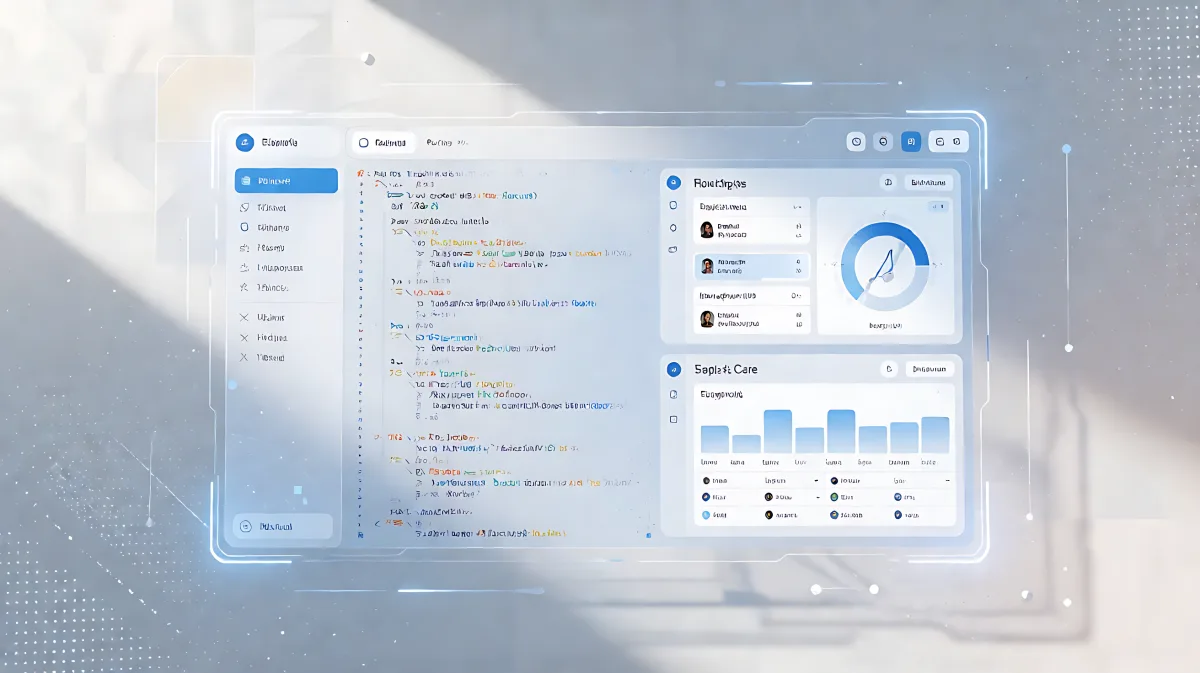
Explore the 2026 software landscape, where artificial intelligence and cloud services dominate. From basic definitions to specialized care apps, see how code shapes modern life.
Software in 2026 consists of computer programs and data that instruct digital devices to perform specific tasks. Today’s landscape is defined by artificial intelligence and cloud computing, where applications are delivered via the internet rather than downloaded. This shift allows for real-time updates and scalable performance, making tools like senior care management platforms more efficient and accessible than ever before.
What is software and how has it evolved?
At its core, software is the set of instructions that tells hardware what to do. While the term was coined by mathematician John Wilder Tukey in the late 1950s, the technology has transformed dramatically. Early systems relied on machine language, which was difficult to debug and not portable across different devices. The introduction of high-level languages like Fortran and Lisp later in that decade allowed developers to write code that was more human-readable and easier to maintain. By 2026, the complexity of software is driven by networking, sophisticated operating systems, and massive databases that power everything from personal smartphones to enterprise infrastructure.
How is cloud computing changing software delivery?
The rise of cloud computing has fundamentally altered how users access applications. The dominant model in 2026 is Software as a Service (SaaS), where providers host applications and users access them over the internet. This approach eliminates the need for heavy local hardware and ensures that software is always up to date. For consumers in the US and UK, this means seamless integration across devices and reduced upfront costs. It also enables advanced features like real-time collaboration and automated scaling, which are critical for handling the data demands of the modern digital economy.
What role does AI play in modern software development?
Artificial intelligence is no longer just a feature; it is the engine behind much of today’s software. In 2026, AI-powered tools automate complex tasks, reducing manual effort significantly. For example, in specialized sectors like healthcare, AI is used to process state-required forms and generate care plans. One prominent example is the use of intelligent agents in senior living care software, which can complete complex documentation in under five minutes. This technology cuts manual work by nearly 90%, allowing organizations to focus more on human care rather than administrative busywork. Such advancements are reshaping industries by identifying patterns and predicting outcomes that traditional software could not handle.
How are specialized software solutions impacting care and health?
Vertical-specific software is making a tangible impact on quality of life, particularly in senior living. Modern care management systems use mobile apps and real-time data to track resident health, manage incidents, and automate billing. These tools are often ONC Certified Health IT, ensuring they meet strict security and interoperability standards. By using digital dashboards and automated service plans, facilities can improve resident safety and staff efficiency. The data shows that a community of just 80 residents can save approximately $320,000 a year in labor costs by using such intelligent systems. This shift is moving the industry away from paper-based records toward a connected, data-driven model that enhances both operational efficiency and care quality.
What are the key stages in building reliable software?
Creating robust software in 2026 involves a rigorous lifecycle that goes beyond just writing code. The process begins with design, where architects plan the system structure. Next comes programming, where developers translate designs into executable instructions. Testing is critical, as it identifies bugs and security vulnerabilities before release. In today’s connected world, security is paramount; any flaw can lead to system failures or data breaches. After release, maintenance ensures the software adapts to new threats and user needs. Legal considerations, including licenses and intellectual property rights, also play a significant role in how software is distributed and used commercially.
FAQ
Is cloud software safer than traditional downloads?
Generally, yes, because providers manage updates and security patches centrally. In 2026, most major SaaS platforms are certified under strict health and security standards, ensuring that data is encrypted and protected against unauthorized access.
How much time can AI save in documentation tasks?
Recent data from care management sectors indicates that AI-powered smart forms can reduce manual work by nearly 90%. This allows professionals to complete complex state-required documents in under five minutes, drastically improving efficiency.
What is the main benefit of SaaS for individual users?
The main benefit is accessibility. Users can access their applications from any device with an internet connection, and the provider handles all the heavy lifting of updates and server maintenance.
Do modern care software solutions save money for organizations?
Yes. By automating billing and task scheduling, these systems prevent revenue leakage and reduce labor costs. For example, a mid-sized senior community can save over $300,000 annually by adopting these intelligent management tools.